Starting a garden is one of the most rewarding things you can do. Whether you want fresh vegetables for your kitchen, beautiful flowers for your yard, or simply a relaxing outdoor hobby, learning how to start a garden doesn’t have to be complicated. This complete beginner’s guide walks you through every step — from choosing the right spot to harvesting your first crop — so you can build a thriving garden even if you’ve never planted anything before.
In this guide, you’ll discover 7 proven steps to start a garden that actually produces results. We’ll cover site selection, soil preparation, plant choices, watering schedules, pest control, and seasonal planning. By the end, you’ll have everything you need to grow a garden you’re proud of.
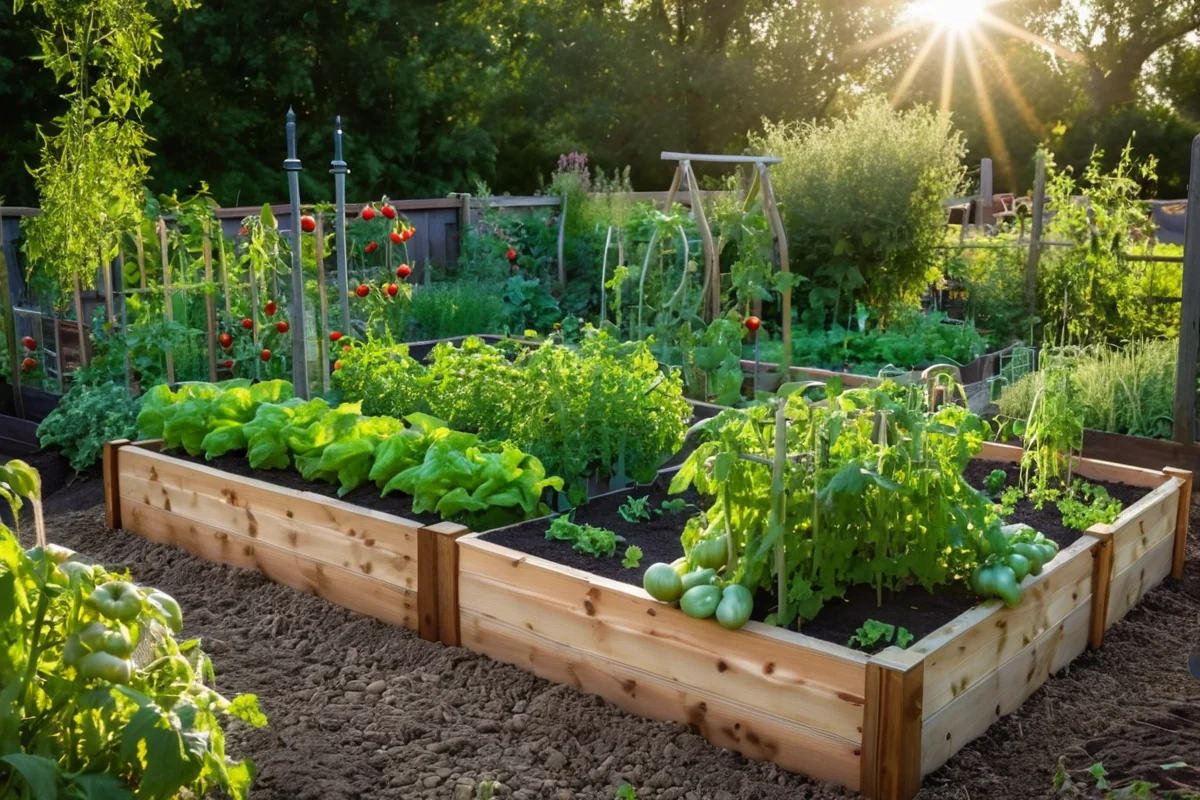
Table of Contents
Why Starting a Garden Is Worth It
Before we dive into how to start a garden, let’s talk about why millions of people garden every year. According to the National Gardening Association, over 77% of American households participate in some form of gardening. The benefits go far beyond fresh produce:
- Better nutrition — Homegrown vegetables are fresher and more nutrient-dense than store-bought alternatives
- Mental health benefits — Studies show gardening reduces cortisol levels and improves mood, according to research from the National Institutes of Health
- Cost savings — A well-planned vegetable garden can produce $500+ worth of food per season for under $50 in seeds and supplies
- Physical activity — Gardening burns 200-400 calories per hour and builds functional strength
- Environmental impact — Home gardens reduce carbon footprint from food transport and support local pollinators
When you start a garden, you’re not just growing plants — you’re building a sustainable habit that pays dividends in health, savings, and satisfaction. The key is starting right, and that’s exactly what this guide shows you how to do.
Step 1: Choose the Right Location for Your Garden
The single most important decision when you start a garden is where to put it. A garden in the wrong spot will struggle no matter how much effort you put into it. Here are the three things every garden location needs:
Sunlight Requirements When You Start a Garden
Most vegetables and flowering plants need 6-8 hours of direct sunlight daily. Track sun patterns across your yard throughout the day before choosing your garden spot. South-facing locations typically get the most light in the Northern Hemisphere. If you only have partial shade, don’t worry — leafy greens like lettuce, spinach, and kale grow well with just 4 hours of sun.
How to Start a Garden: Drainage and Water Access
Water should drain away from your garden, not pool in it. Avoid low spots where rain collects. At the same time, make sure you can easily reach your garden with a hose or watering can — you’ll be watering regularly, and convenience matters more than you think when you start a garden.
Proximity to Your Home
When you start a garden, the closer it is to your door, the more likely, the more likely you are to tend it daily. Out of sight often means out of mind, and neglected gardens fail fast. Position your garden where you’ll walk past it every day — you’ll notice problems early and harvest produce at peak ripeness.
Step 2: Prepare Your Soil — The Foundation of Every Garden
When researching how to start a garden, soil is the single most important factor in whether your garden thrives or fails. When you start a garden, take time to understand and improve your soil — it pays off for years.
Test Your Soil
Before planting anything, test your soil’s pH and nutrient levels. You can buy an inexpensive soil test kit at any garden center for under $15, or send a sample to your local extension office for a detailed analysis (usually $10-25). Most vegetables prefer soil pH between 6.0 and 7.0. According to the USDA Natural Resources Conservation Service, proper soil testing can increase garden yields by 20-50%.
Amend Your Soil
Almost no one has perfect garden soil right from the start. Here’s how to improve what you have:
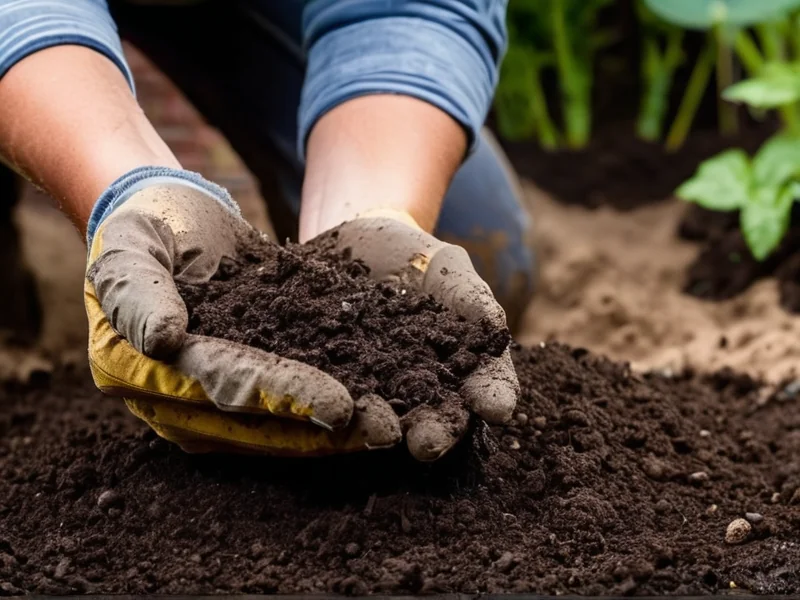
- Compost — Add 2-3 inches of finished compost to your garden bed each season. This is the single best thing you can do for any soil type.
- Peat moss or coconut coir — Improves moisture retention in sandy soil and drainage in clay soil
- Perlite or vermiculite — Lightens heavy clay and improves aeration
- Aged manure — Adds nutrients and organic matter (never use fresh manure on food crops)
Mix amendments into the top 8-12 inches of soil using a garden fork or tiller. If you’re building raised beds — an excellent choice when you start a garden — fill them with a mix of 50% topsoil, 30% compost, and 20% aeration material (perlite or vermiculite).
Step 3: Decide What to Grow in Your Garden
One of the biggest mistakes beginners make when they start a garden is trying to grow too many things. Start with 5-8 crops that you actually enjoy eating and that grow reliably in your climate.
Best Vegetables When You Start a Garden
- Tomatoes — The holy grail of home gardening. Cherry tomatoes are especially forgiving for beginners and produce prolifically all summer.
- Leafy greens (lettuce, spinach, Swiss chard) — Fast-growing, shade-tolerant, and harvestable within 30-45 days
- Radishes — Ready to harvest in just 21-30 days; great for quick wins that keep you motivated
- Zucchini — Almost too easy to grow; one or two plants will produce enough for a family
- Herbs (basil, parsley, chives) — Low maintenance, expensive to buy at the store, and they repel some garden pests
- Green beans — Both bush and pole varieties are prolific and easy for first-time gardeners
Consider Your Climate Zone When You Start a Garden
When you start a garden, check your USDA Hardiness Zone (or your local equivalent) before buying seeds or plants. Your zone determines what you can grow and when to plant it. Most seed packets and plant tags include zone information. When you start a garden, choosing plants matched to your zone dramatically increases your chances of success.
Step 4: Plant at the Right Time
When you start a garden, timing is everything. Plant too early and frost kills your seedlings. Plant too late and the heat stunts growth. When you start a garden, use a planting calendar based on your last frost date — you can find this for your zip code at The Old Farmer’s Almanac.
Cool-Season vs. Warm-Season Crops
- Cool-season crops (plant in early spring or fall): lettuce, spinach, peas, radishes, kale, broccoli, carrots, beets
- Warm-season crops (plant after last frost): tomatoes, peppers, squash, cucumbers, beans, basil, corn, melons
Cool-season vegetables can handle light frost and actually taste better when grown in cooler weather. Warm-season plants need soil temperatures above 60°F and will not tolerate any frost. Understanding this distinction when you start a garden prevents the most common planting mistakes.
Starting from Seeds vs. Transplants
As you learn how to start a garden, you’ll discover some crops do best direct-seeded (sown right in the ground), while others benefit from being started indoors and transplanted:
- Direct seed: radishes, carrots, beans, peas, lettuce, squash, sunflowers
- Start indoors or buy transplants: tomatoes, peppers, eggplant, herbs, broccoli, cauliflower
Step 5: Water and Feed Your Garden Properly
Watering is where most people who start a garden go wrong. Too much water is just as harmful as too little. When you start a garden, follow these watering principles:
The Deep Watering Rule
Water deeply and infrequently rather than shallowly and often. Deep watering encourages roots to grow downward, making plants more drought-resistant. A good rule of thumb: most vegetables need 1-2 inches of water per week, either from rainfall or irrigation. Stick your finger 2 inches into the soil — if it’s dry, it’s time to water.
Best Time to Water
Water early in the morning (before 10 AM). This allows foliage to dry quickly, reducing disease risk. Avoid watering in the evening — wet leaves overnight invite fungal problems. If you must water during the day, use drip irrigation or soaker hoses to keep water off the leaves.
Fertilizing Your Garden
Even great soil benefits from regular feeding. Here’s a simple fertilizing schedule when you start a garden:
- At planting: Mix a balanced slow-release fertilizer (like 10-10-10) into the soil
- Every 2-3 weeks: Apply a liquid organic fertilizer (fish emulsion, compost tea, or kelp extract)
- Mid-season: Side-dress heavy feeders (tomatoes, squash, peppers) with additional compost
Anyone figuring out how to start a garden should know: avoid over-fertilizing — more is not better. Excess nitrogen produces lush foliage but little fruit. Follow package directions and watch your plants for signs of nutrient deficiency (yellowing leaves, stunted growth, poor fruit set).
Step 6: Protect Your Garden from Pests and Diseases
Learning how to start a garden means understanding pest management. This guide without pest management. Pest problems are inevitable, but they don’t have to be devastating. An integrated approach works best:
Prevention First
- Choose resistant varieties — Many common vegetables have disease-resistant cultivars. Look for letters like V, F, N after the variety name (e.g., “Big Beef VFFNTA” tomato).
- Space plants properly — Good air circulation prevents most fungal diseases. Follow spacing recommendations on seed packets.
- Rotate crops — Don’t plant the same family in the same spot year after year. This prevents soil-borne diseases from building up.
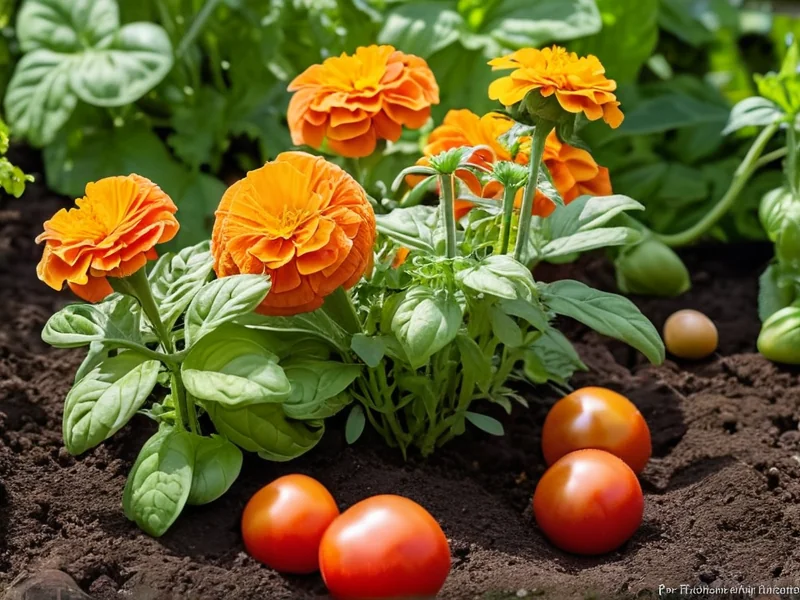
- Use companion planting — Marigolds repel nematodes, basil deters tomato hornworms, and nasturtiums attract aphids away from vegetables.
Organic Pest Control Methods
When you start a garden, avoid reaching for chemical pesticides first. Try these organic methods:
- Hand-picking — The simplest method. Check plants daily and remove pests by hand (especially effective for tomato hornworms and Japanese beetles).
- Insecticidal soap — Safe for edible plants and effective against aphids, mites, and whiteflies.
- Neem oil — A natural fungicide and insecticide that disrupts pest life cycles without harming beneficial insects.
- Row covers — Lightweight fabric barriers that keep insects off crops while letting light and water through.
- Beneficial insects — Release ladybugs, lacewings, or parasitic wasps to control pest populations naturally.
Step 7: Harvest and Maintain Your Garden
Harvesting is the payoff — the reason you started a garden in the first place. But proper harvesting and garden maintenance keep your plants productive all season.
When to Harvest
- Tomatoes: Pick when fully colored and slightly soft. They should pull easily from the vine.
- Leafy greens: Harvest outer leaves first; the center keeps growing. Cut-and-come-again varieties produce for months.
- Root vegetables: Pull when they reach the size listed on the seed packet. Large radishes get woody; oversized carrots split.
- Herbs: Cut regularly to prevent flowering (bolting). Pinch stem tips to encourage bushy growth.
- Zucchini and squash: Pick at 6-8 inches for best flavor and texture. They grow fast — check daily.
A critical part of how to start a garden is knowing when to harvest — regular harvesting actually encourages more production. When you pick vegetables promptly, the plant redirects energy into producing more fruit. Don’t wait for perfection — most vegetables taste best when slightly immature.
Season-Long Maintenance
A garden isn’t a set-it-and-forget-it project. When you start a garden, plan for these ongoing tasks:
- Weed weekly — Weeds compete with your plants for water, nutrients, and light. A 5-minute daily pass is easier than a 2-hour weekly battle.
- Mulch heavily — 2-3 inches of organic mulch (straw, wood chips, shredded leaves) suppresses weeds and retains moisture.
- Monitor for problems — Walk your garden daily. Catching pest or disease issues early makes them 10x easier to fix.
- Succession plant — When one crop finishes, replant that space with something else. This maximizes your harvest all season.
Common Mistakes When You Start a Garden
Even experienced gardeners make mistakes, but knowing the most common pitfalls when you start a garden can save you time, money, and frustration:
- Starting too big — A 10×10 foot garden is plenty for your first year. You can always expand next season.
- Ignoring soil preparation — Skimping on soil prep is the number one reason beginners fail to start a garden successfully.
- Overwatering — More plants die from too much water than too little. Stick to the deep-watering rule.
- Planting too close together — Crowded plants compete for resources and are more disease-prone. Follow spacing guidelines.
- Not harvesting enough — Many beginners hesitate to pick, but regular harvesting stimulates more production.
- Skipping mulch — Unmulched soil dries out faster, grows more weeds, and suffers from temperature swings.
- Forgetting about pollinators — Add flowers to your garden to attract bees, butterflies, and other beneficial insects.
Essential Tools You Need to Start a Garden
When you start a garden, you don’t need to spend a fortune to start a garden. These basic tools will cover everything a beginner needs:
- Hand trowel — For planting, transplanting, and mixing soil amendments ($5-15)
- Garden fork — For turning soil and incorporating compost ($15-30)
- Pruning shears — For harvesting and shaping plants ($10-25)
- Watering can or hose — Consistent watering is non-negotiable ($10-30)
- Garden gloves — Protect your hands from thorns, soil, and insects ($5-15)
- Measuring tape or ruler — For proper plant spacing ($3-5)
Total investment for all these tools: $50-120. Compare that to the $500+ in produce a productive garden can yield, and you’ll see why learning how to start a garden is one of the highest-ROI hobbies you can take up. For more creative projects, check out our guide on AI-powered art generators and our guide to building websites for local businesses.
Frequently Asked Questions About How to Start a Garden
How much does it cost to start a garden?
You can start a garden for as little as $30-50 if you start from seeds in containers. A basic raised bed garden with quality soil, seeds, and essential tools typically costs $100-200. The return on investment is significant — a well-maintained 10×10 foot vegetable garden can produce $500+ worth of organic produce per season.
What month is best to start a garden?
Most people who learn how to start a garden begin in early spring (March-April in the Northern Hemisphere), when soil temperatures reach 60°F and frost danger passes. However, cool-season crops like lettuce, peas, and radishes can be started 4-6 weeks before the last frost date. Fall gardens are planted in late summer. The best time depends on your USDA hardiness zone and what you want to grow.
Can I start a garden with no experience?
Absolutely. Start with 3-5 easy crops like cherry tomatoes, lettuce, radishes, herbs, and zucchini. These plants are forgiving, grow quickly, and give you confidence. Container gardening is especially beginner-friendly — you can grow many vegetables in pots on a balcony or patio. The key is to start small, observe your plants daily, and learn as you go.
How do I start a garden in a small space?
If you want to know how to start a garden in a small space, container gardening, vertical gardens, and square-foot gardening techniques let you grow significant food in very small spaces. A 4×4 foot raised bed using square-foot gardening can produce enough vegetables for one person. Hanging baskets, wall-mounted planters, and stacking containers maximize vertical space. Even a sunny balcony can support 6-10 productive containers.
How often should I water my garden?
Most gardens need 1-2 inches of water per week, either from rainfall or irrigation. Water deeply 2-3 times per week rather than lightly every day. In hot weather (above 90°F), you may need to water daily. Always check soil moisture 2 inches down — if it’s dry, water; if it’s moist, wait. Early morning watering is best to reduce evaporation and disease risk.
Do I need raised beds to start a garden?
No, raised beds are convenient but not required. You can plant directly in the ground if your soil is decent. Raised beds offer advantages for beginners: better drainage, warmer soil in spring, fewer weeds, and no need to bend over. They’re especially useful if your native soil is very rocky, clay-heavy, or contaminated. Start with in-ground rows if budget is a concern.
Start Your Garden Today
Learning how to start a garden doesn’t require years of experience or expensive equipment. Start small, follow these 7 steps, and adjust as you learn. Every experienced gardener was once a beginner standing in an empty patch of dirt wondering what to do first. The difference between a failed garden and a thriving one comes down to preparation — choosing the right spot, improving your soil, and planting at the right time.
Anyone can learn how to start a garden — pick one vegetable you love to eat, prepare a small patch of soil, and plant it this weekend. By the time harvest season arrives, you’ll understand why gardening is one of the most popular hobbies in the world. And if you want to explore more creative projects, check out our guides on the best AI logo generators for 2026 and customizing ComfyUI workflows.