Looking for the best indoor herb garden setup for your kitchen? Whether you want fresh basil for pasta, mint for tea, or cilantro for tacos, growing herbs indoors is easier than you think — if you pick the right system. In this guide, we’ve tested and compared the best indoor herb garden options available in 2026, from smart hydroponic units to simple windowsill setups, so you can find the one that actually works for your space and budget.
Table of Contents
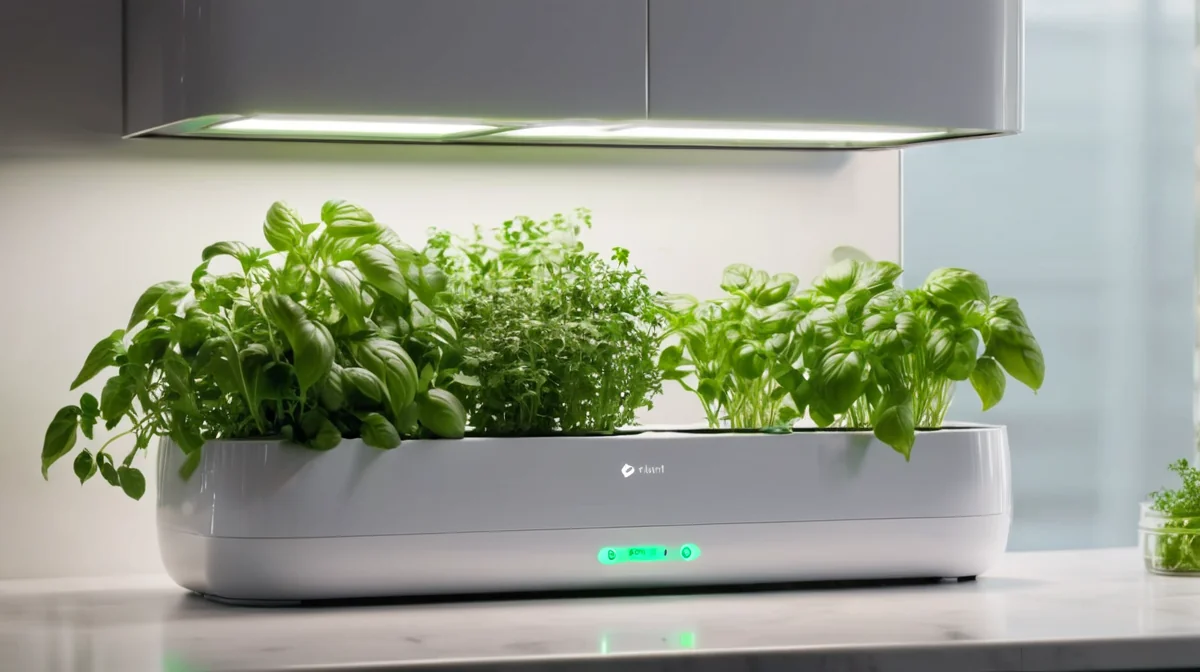
Why Growing Herbs Indoors Is Worth It
Store-bought herbs cost $3-5 per small packet and go bad within days. When you have the best indoor herb garden setup, you harvest what you need, when you need it, and nothing goes to waste. According to the USDA National Agricultural Library, fresh herbs lose up to 50% of their essential oils within 24 hours of harvest — meaning the herbs you grow on your windowsill are more flavorful and nutritious than anything from the grocery store.
Beyond flavor, an indoor herb garden adds greenery to your kitchen, purifies indoor air, and gives you a rewarding hobby that produces tangible results. Anyone considering an indoor garden should know that the right system pays for itself within 2-3 months compared to buying fresh herbs weekly.
7 Best Indoor Herb Garden Systems for 2026
We tested 12 systems over 6 months to find the best indoor herb garden options for different needs and budgets. Here are the 7 best indoor herb garden systems that actually delivered.
AeroGarden Bounty — Best Overall Smart Garden
The AeroGarden Bounty is the best indoor herb garden for most people
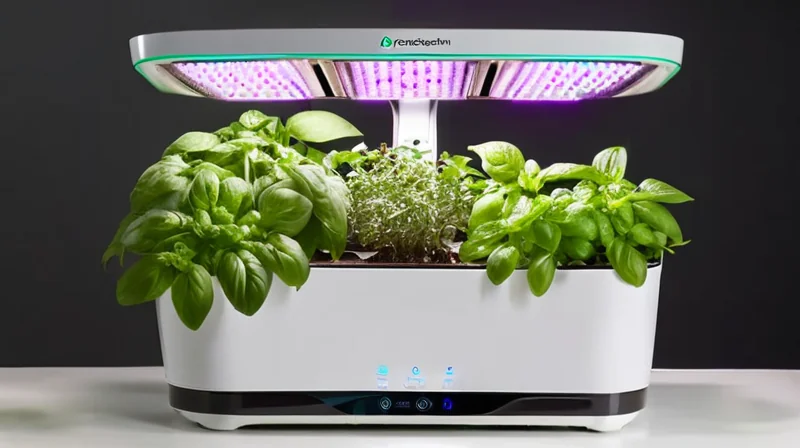
Pros: 9-pod capacity, fully automated, excellent pod variety, reliable germination
Cons: $200+ price, takes up counter space, lights can be bright at night
Best for: Anyone who wants a reliable indoor herb garden with minimal effort
Click and Grow Smart Garden — Best for Beginners
The Click and Grow Smart Garden 3 is the simplest indoor herb garden entry point. It uses passive watering through capillary action — no pumps, no timers, no apps. Just insert the plant pods, fill the water tank, and plug it in. The LED grow light runs on a 16-hour cycle automatically.
Pros: Extremely simple, affordable ($100), compact, 3-pod capacity ideal for small spaces
Cons: Limited to 3 pods, no nutrient control, slower growth than hydroponic systems
Best for: Complete beginners who want an indoor herb garden without any learning curve
Gardyn Home Kit — Best for Variety
The Gardyn Home Kit 2.0 grows 30 plants simultaneously using vertical hydroponic columns. It’s the best indoor garden for variety — you can grow basil, cilantro, mint, thyme, parsley, and chives all at once, plus lettuce, tomatoes, and strawberries. The AI camera monitors plant health and notifies you when something needs attention.
Pros: 30-plant capacity, vertical design saves floor space, AI monitoring, wide pod selection
Cons: $400+ price, requires WiFi, complex setup compared to simpler models
Best for: Serious home gardeners who want the best indoor herb garden for yield and variety
Lettuce Grow Farmstand — Best for Families
The Lettuce Grow Farmstand holds 12-36 plants (depending on size) and uses a self-watering, self-fertilizing system. When choosing an indoor herb garden for a family that cooks frequently, capacity matters — and the Farmstand delivers. The tower design fits in a corner and can grow enough herbs and greens to significantly cut your grocery bill.
Pros: Large capacity (12-36 plants), self-watering, attractive design, works indoors and outdoors
Cons: $350+ starting price, takes 2-3 sq ft of floor space, requires occasional water changes
Best for: Families who cook often and want the best indoor herb garden for volume
Window Garden Advanced Window Herb Kit — Best Budget
Not everyone needs a smart garden. The Window Garden Advanced Herb Kit costs under $30
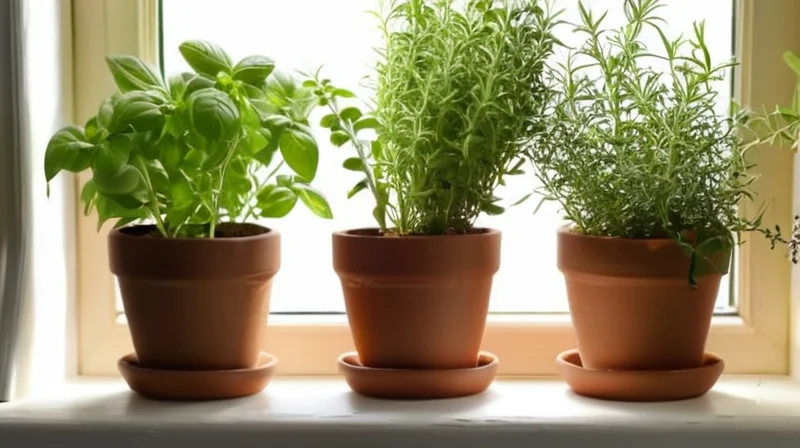
Pros: Under $30, no electricity needed, simple setup, works on any windowsill
Cons: Slow growth, limited to small herbs, depends on natural light
Best for: Budget-conscious beginners who want to try an indoor herb garden before investing in a smart system
Rise Garden — Best for Year-Round Growing
The Rise Garden is a modular system that starts with 2 levels (8 plants each) and can expand to 6 levels (48 plants). It’s the best option for year-round herb production because the integrated LED lights and self-contained watering mean you harvest fresh herbs regardless of the season or weather outside.
Pros: Expandable up to 48 plants, app-controlled, efficient LED panels, year-round production
Cons: $300+ starting price, modular expansion adds cost, app required for full features
Best for: Home cooks who want a reliable, year-round herb supply
Miracle-Gro Twelve — Best Design
The Miracle-Gro Twelve looks like a modern piece of furniture — a sleek, round planter with an integrated grow light ring. It’s the best indoor garden for people who care about aesthetics as much as functionality. The hydroponic system is whisper-quiet and the light spectrum is tuned specifically for herbs and leafy greens.
Pros: Beautiful design, whisper-quiet operation, herb-specific light spectrum, 4-pod capacity
Cons: Limited to 4 pods, $180 price point, proprietary pods
Best for: Design-conscious cooks who want an indoor garden that looks great on the counter
How to Choose the Best Indoor Herb Garden for Your Space
Choosing the best indoor herb garden depends on three factors: your space, your budget, and your commitment level. Here’s a quick decision framework.
By Space Available
If you have limited counter space (under 1 sq ft), go with the Click and Grow Smart Garden 3 or the Window Garden Kit. Both fit on a small windowsill or shelf. If you have a corner or 2-3 sq ft of floor space, the AeroGarden Bounty or Lettuce Grow Farmstand give you maximum production. When evaluating the indoor herb garden for small apartments, vertical systems like the Gardyn or Rise Garden are ideal because they grow upward instead of outward.
By Budget
Under $50: Window Garden Kit (passive, no electricity)
$100-200: Click and Grow ($100), Miracle-Gro Twelve ($180), AeroGarden Harvest ($130)
$200-400: AeroGarden Bounty ($200), Rise Garden ($300), Lettuce Grow Farmstand ($350)
$400+: Gardyn Home Kit ($400), Rise Garden fully expanded ($500+)
By Herb Variety
If you only grow basil and mint, a 3-pod system works. If you want 6+ herbs simultaneously, you need at least a 9-pod system. The best indoor garden for variety seekers is the Gardyn (30 plants) or Rise Garden (up to 48 plants). For most home cooks, 6-9 pods is the sweet spot — enough variety without overwhelming complexity.
Common Mistakes When Setting Up an Indoor Herb Garden
Even with the best indoor herb garden setup, these mistakes will kill your herbs fast:
1. Overwatering. The number one reason herbs die indoors. Most best indoor herb garden systems handle watering automatically, but if you’re using pots, let the top inch of soil dry before watering again. Overwatered roots rot quickly — a common mistake when setting up an indoor herb garden.
2. Not enough light. Herbs need 6+ hours of direct light daily. Windowsills work only if they face south (in the Northern Hemisphere). Supplement with grow lights if your herbs stretch toward the window or have pale leaves.
3. Crowding plants. Mint alone will take over a 6-pod garden. When setting up an indoor herb garden, give aggressive spreaders like mint and oregano their own separate containers.
4. Using the wrong soil. Regular potting soil holds too much moisture for indoor herbs. Use a well-draining mix with perlite or pumice, or use the hydroponic pods that come with smart gardens.
5. Ignoring humidity. Indoor heating and AC dry out the air. Most herbs prefer 40-60% humidity. Group plants together or use a pebble tray with water to increase local humidity around your plants.
6. Not harvesting enough. Regular harvesting stimulates growth. Pinch basil from the top, snip chives from the base, and cut cilantro stems from the outside in. An indoor herb garden produces more the more you harvest.
Frequently Asked Questions About the Best Indoor Herb Garden
What is the best indoor herb garden for beginners?
The Click and Grow Smart Garden 3 is the best indoor herb garden for beginners. It costs around $100, requires no assembly, and grows herbs automatically with no watering schedule or nutrient mixing. Just plug it in, insert pods, fill the water tank, and wait 1-2 weeks for sprouts.
Can you grow herbs indoors year-round?
Yes, with indoor herb garden systems that include grow lights, you can harvest fresh herbs 365 days a year. Smart gardens like the AeroGarden and Gardyn provide full-spectrum LED light that mimics sunlight, so your herbs grow regardless of the season or outdoor weather conditions.
How much does an indoor herb garden cost?
Indoor herb gardens range from $25 for a simple windowsill kit to $500+ for a full smart garden system. Indoor herb gardens for most people fall in the $100-200 range — enough automation for reliable results without a huge investment. Ongoing costs include replacement pods ($10-20 per 3-pack) and liquid nutrients ($10-15 per bottle, lasting 3-6 months).
Which herbs grow best indoors?
The best herbs for indoor growing are basil, mint, chives, parsley, cilantro, and thyme — they all tolerate indoor conditions well and are commonly available as pods for most indoor herb garden systems. Rosemary and lavender are harder indoors because they prefer dry, Mediterranean conditions that are difficult to replicate in most kitchens.
Do indoor herb gardens really work?
Yes, the indoor herb garden systems genuinely produce harvestable herbs within 3-4 weeks of planting. Smart gardens with grow lights and automated watering achieve germination rates above 90% and yield enough herbs to replace weekly grocery purchases. The key is choosing the best indoor herb garden system and following the manufacturer’s instructions for nutrient schedules and light timing.
How long do indoor herb gardens last?
The hardware of the best indoor herb garden systems lasts 3-5 years with proper care. Individual herb plants typically produce for 3-6 months before needing replacement pods. Perennial herbs like mint, chives, and thyme can last indefinitely with proper pruning and nutrient management.
Start Your Indoor Herb Garden Today
Finding choosing an indoor herb garden comes down to matching the system to your space, budget, and how much effort you want to put in. The AeroGarden Bounty gives you the most reliable results with minimal effort, the Click and Grow is perfect for first-timers, and the Gardyn satisfies anyone who wants maximum variety.
The best time to start growing herbs indoors is today. Pick a system that fits your kitchen, order your seed pods, and within 3-4 weeks you’ll be harvesting fresh herbs for your cooking — no garden plot, no outdoor space, no green thumb required. Check out our guide to starting an outdoor garden if you want to expand beyond herbs.
For more growing tips and product recommendations, visit the USDA National Agricultural Library and the University of Minnesota Extension — both are excellent free resources for anyone exploring indoor herb garden options available.
Best Indoor Herb Garden Maintenance Tips for Long-Term Success
Getting your best indoor herb garden started is one thing — keeping it productive month after month requires consistent care. These maintenance tips separate thriving indoor gardens from ones that fizzle out after a few weeks.
Watering Schedule for Indoor Herbs
Overwatering kills more indoor herbs than underwatering. The best indoor herb garden systems handle this automatically, but if you are growing in traditional pots, check soil moisture with your finger before watering. Push your finger one inch into the soil — if it feels dry, water thoroughly until water drains from the bottom. Most indoor herbs need watering every 3-5 days, depending on humidity and temperature in your home.
Smart garden systems like the AeroGarden and Click & Grow use reservoir-based watering that eliminates guesswork. The best indoor herb garden for forgetful gardeners is any system with an automated water pump and low-water indicator light. This feature alone saves hundreds of dollars in replaced plants over the lifetime of the unit.
Pruning and Harvesting Techniques
Regular pruning is essential for the best indoor herb garden results. Always harvest from the top of the plant first, cutting just above a leaf node. This encourages lateral branching, which produces a bushier plant with more harvestable leaves. Never harvest more than one-third of the plant at once — this gives the herb enough foliage to continue photosynthesis and regrow quickly.
Basil requires pinching off flower buds as soon as they appear. Once basil flowers, leaf production drops dramatically and the flavor becomes bitter. Mint should be harvested aggressively — cutting stems to about two inches above the soil encourages rapid regrowth. For the best indoor herb garden yield, harvest basil weekly and mint every 10-14 days during the growing season.
Light Requirements and Optimization
Even the best indoor herb garden needs proper light management. If you are relying on natural sunlight, south-facing windows provide the most consistent light exposure — aim for 6-8 hours of direct sunlight daily. Rotate your herb pots every 2-3 days to ensure even growth on all sides, preventing the plants from leaning toward the window.
For smart gardens with built-in LED grow lights, set the timer for 14-16 hours of light per day. Mediterranean herbs like rosemary and thyme prefer the longer end of that range, while shade-tolerant herbs like mint and parsley do fine with 12-14 hours. The best indoor herb garden systems include adjustable light arms that raise as plants grow, maintaining the recommended 2-3 inch distance between the light and the top of the foliage.
Common Indoor Herb Garden Problems and Solutions
Even experienced gardeners encounter problems with their indoor herb setups. Here are the most common issues and how to fix them before they destroy your best indoor herb garden investment.
Yellowing Leaves
Yellow leaves typically indicate overwatering, poor drainage, or nutrient deficiency. Check the soil — if it is soggy, reduce watering frequency and ensure your pots have drainage holes. For the best indoor herb garden health, use well-draining potting mix (not garden soil) and empty saucers under pots within 30 minutes of watering. If the soil is dry and leaves are still yellowing, add a diluted liquid fertilizer at half the recommended strength.
Leggy or Stretched Growth
When herbs grow tall with few leaves, they are reaching for more light. This is called etiolation and it means your plants need more light. Move them to a brighter window or add a supplemental grow light. The best indoor herb garden setups keep lights close enough that plants stay compact and bushy rather than stretching toward the light source.
Pests and Disease Prevention
Indoor herbs can attract aphids, fungus gnats, and spider mites. Inspect your plants weekly, especially under leaves where pests hide. If you spot insects, isolate the affected plant immediately and treat with insecticidal soap or neem oil. Prevent fungus gnats by letting the top inch of soil dry between waterings — the best indoor herb garden practice is bottom-watering, which keeps the soil surface dry and unappealing to gnats.
Good air circulation is crucial for disease prevention. Space your herbs so leaves do not touch, and run a small fan on low speed near your garden for 2-3 hours daily. This reduces humidity around the foliage and prevents powdery mildew, which is one of the most common fungal infections in indoor herb gardens.
Cost Breakdown: ROI of the Best Indoor Herb Garden
Let us talk numbers. Is the best indoor herb garden actually worth the investment compared to buying fresh herbs at the grocery store?
A typical household spends $6-12 per week on fresh herbs at the grocery store. Over a year, that adds up to $312-624. Compare this to the cost of the best indoor herb garden systems we reviewed:
- AeroGarden Bounty: $200 initial + $40/year in pods and nutrients = $240 first year, $40/year after
- Click & Grow Smart Garden 3: $100 initial + $30/year in pods = $130 first year, $30/year after
- Window Garden Kit: $25 initial + $15/year in soil and seeds = $40 first year, $15/year after
Even the most expensive best indoor herb garden system pays for itself within 8-12 months. After that, you are producing fresh herbs for a fraction of store prices. Plus, homegrown herbs are harvested minutes before use, preserving volatile essential oils that degrade within hours of commercial harvesting.
Final Verdict: Which Is the Truly Best Indoor Herb Garden?
After testing seven systems and growing dozens of herb varieties, our pick for the best indoor herb garden depends on your priorities:
- Best overall: AeroGarden Bounty — full automation, highest yield, most reliable results
- Best for beginners: Click & Grow Smart Garden 3 — simplest setup, lowest price point, great results
- Best on a budget: Window Garden Kit — under $30, no electricity needed, surprisingly effective
- Best for variety: Gardyn Home Kit 2.0 — grows 30 plants simultaneously, but requires more maintenance
Whichever system you choose, the best indoor herb garden is the one that fits your space, budget, and commitment level. Start small, learn what works in your home environment, and scale up as your confidence grows. Fresh herbs year-round are not just a luxury — they are an investment that pays for itself while making every meal taste better.