
Whole Roasted Satay Cauliflower – A Beginner‑Friendly Masterpiece
Difficulty: Easy
Portion: Serves 4 as a main dish, 6 as a side
Time: Hands‑on 15 min + 1 hour oven time
Source: Marcus Wareing’s Kitchen (Harper Collins)

Introduction
When you think of cauliflower, the first image that comes to mind is often a humble, unassuming head of white florets. But in the hands of a creative chef, even the most ordinary vegetables can become the centerpiece of a memorable meal. Marcus Wareing’s Whole Roasted Satay Cauliflower takes this simple vegetable to new heights, turning it into a fragrant, savory, and utterly satisfying dish that’s perfect for both novice cooks and those looking to expand their culinary repertoire.
The recipe is a brilliant example of how a few well‑chosen ingredients can transform a basic vegetable into a star. The satay‑infused glaze, with its nutty peanut base and warm spices, creates a depth of flavor that pairs beautifully with the natural sweetness of roasted cauliflower. Whether you’re serving it as a hearty main course or a vibrant side, this dish is sure to impress.

Meal Profile
| Feature | Detail |
|---|---|
| Name | Whole Roasted Satay Cauliflower |
| Chef | Marcus Wareing |
| Cuisine | Fusion of Southeast Asian and British flavors |
| Seasonality | Year‑round (cauliflower is a versatile winter crop) |
| Health Focus | Plant‑based, low‑fat, high‑fiber, gluten‑free |
| Flavor Profile | Sweet, nutty, spicy, aromatic |
| Texture | Tender, caramelized florets with a slight crunch from toasted peanuts |
The dish’s simplicity is deceptive. The whole cauliflower roasts slowly, absorbing the satay mixture, while the toasted peanuts and fresh coriander add contrasting textures and bright freshness. The result is a dish that feels indulgent but remains light and wholesome.

Ingredient Highlight
Below is the complete ingredient list, broken down into categories for clarity. The recipe calls for a generous amount of aromatics and spices, so don’t be surprised if your pantry feels a little lighter after you’ve gathered everything.
Vegetables & Fresh Herbs
- 1 large cauliflower (outer leaves removed, stalk trimmed)
- 1 red onion, roughly chopped
- ¼ bunch coriander (leaves and tender stems, chopped)
- 3 garlic cloves, peeled
- Thumb‑size piece fresh ginger, peeled
Nuts & Spices
- 50 g unsalted peanuts, toasted in a dry pan, then chopped
- 1 tsp salt
- 1 tbsp ground cumin
- 1 tbsp ground coriander
- 1 tbsp ground turmeric
- 1 tbsp garam masala
- ½ tsp hot chilli powder (adjust to taste)
Sauces & Liquids
- 3 tbsp kecap manis (sweet soy sauce)
- 100 g chunky peanut butter
- 400 ml tin coconut milk
- 1 tbsp soy sauce
- 1 tbsp rice wine vinegar
Optional Extras
- Lime wedges for squeezing over the finished dish
- Fresh chili slices for added heat
- Crushed roasted cashews or almonds for an alternative nutty crunch
Why These Ingredients?
- Peanuts & Peanut Butter: Provide a creamy, nutty base that thickens the glaze and adds a subtle sweetness.
- Coconut Milk: Adds richness and balances the heat from the spices.
- Kecap Manis & Soy Sauce: Deliver depth and umami, giving the dish its signature satay flavor.
- Fresh Ginger & Garlic: Offer bright, aromatic undertones that cut through the richness.
- Coriander & Chili: Add a fresh, peppery finish that lifts the overall profile.
Step‑by‑Step Instructions
Below is the exact sequence of actions to achieve a perfectly roasted satay cauliflower. Follow the steps carefully, and you’ll end up with a dish that’s both visually stunning and flavor‑packed.
-
Preheat the Oven
Heat the oven to 160 °C (fan) / 320 °F (gas 4). While the oven warms, prepare the satay glaze. -
Make the Satay Marinade
Place the garlic, ginger, onion, and salt in a food processor. Pulse until a coarse paste forms. Add the ground cumin, ground coriander, ground turmeric, garam masala, hot chilli powder, kecap manis, peanut butter, coconut milk, soy sauce, and rice wine vinegar. Process again until the mixture is smooth and well‑combined. If the mixture is too thick, add a splash of water to reach a pourable consistency. -
Prepare the Cauliflower
Trim the stalk and remove the outer leaves of the cauliflower. Slice the cauliflower in half (or quarters if you prefer smaller pieces) so it can sit flat on its stalk. Place the cauliflower in a large, deep casserole dish (or roasting tin). -
Marinate the Cauliflower
Pour the satay glaze over the cauliflower, ensuring every floret is coated. Cover the dish with a lid or aluminum foil to keep the steam trapped inside during roasting. -
Roast
Bake for 1 hour, basting the cauliflower every 15 minutes with the remaining glaze. Halfway through the cooking time, add 100 ml of water to the dish to keep the cauliflower from drying out. This also helps the glaze thicken into a luscious sauce. -
Check for Doneness
After 1 hour, test the cauliflower by piercing it with a knife – there should be no resistance. If the cauliflower isn’t quite soft enough, return it to the oven for an additional 10 minutes and check again. -
Finish and Serve
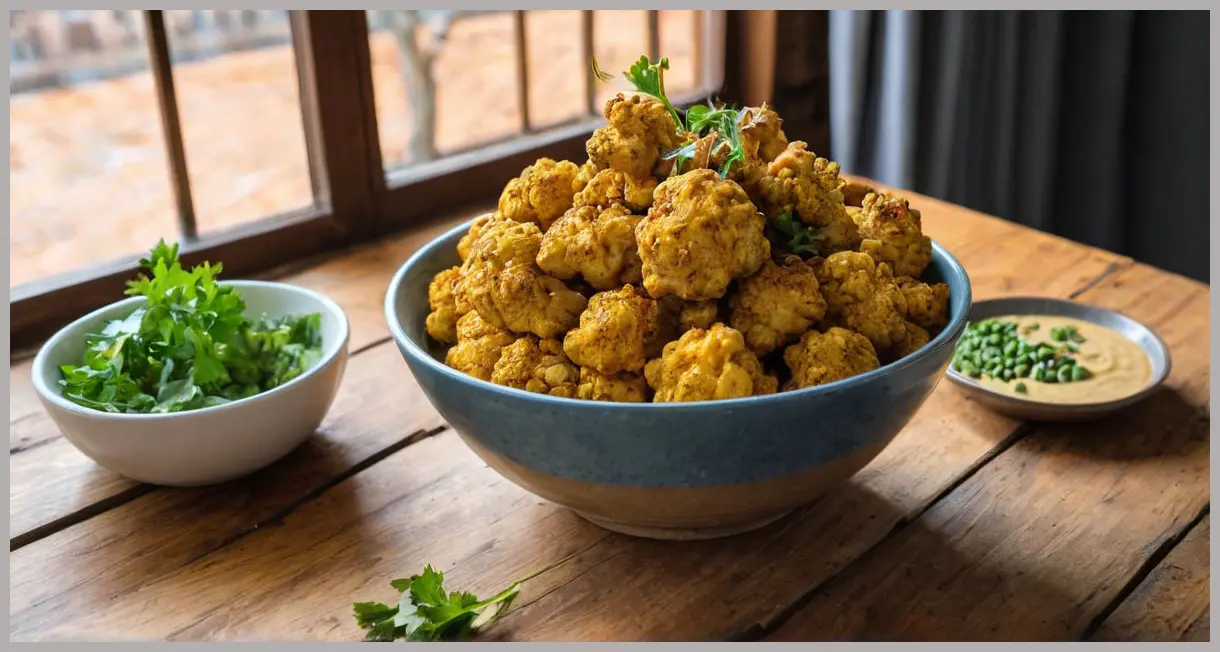
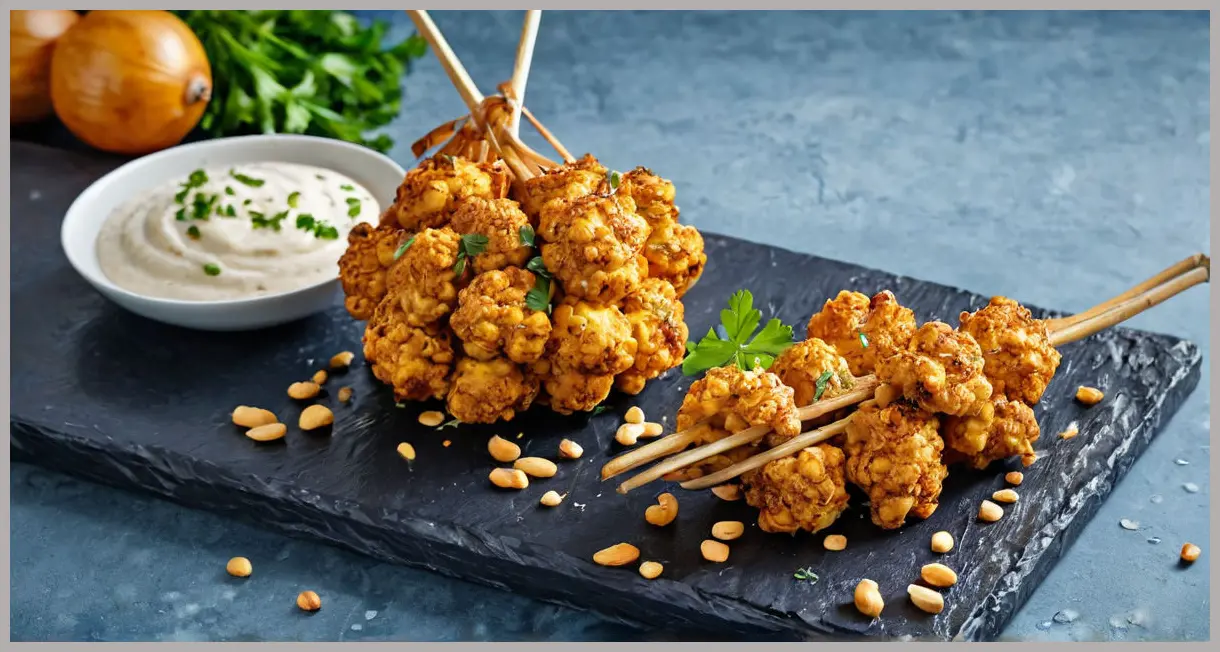
Once baked, sprinkle the cauliflower with the chopped toasted peanuts and fresh coriander. Serve directly from the casserole, or transfer the cauliflower to a serving platter for a more polished presentation. Garnish with extra coriander leaves and lime wedges if desired.
Serving Suggestions & Variations
Classic Pairings
- Rice or Quinoa: A bowl of fluffy white or brown rice balances the richness of the satay glaze and provides a neutral canvas for the cauliflower’s flavors.
- Naan or Flatbread: Warm, soft naan can be used to scoop up the cauliflower and soak up the extra sauce.
- Fresh Salad: A simple cucumber and tomato salad dressed in lemon vinaigrette offers a crisp contrast that brightens the dish.
Protein Add‑Ons
- Grilled Chicken: Slice marinated chicken breast and serve alongside the cauliflower for a complete protein meal.
- Tofu: Marinated, pan‑fried tofu cubes add a vegetarian protein boost.
- Shrimp: Lightly sautéed shrimp with a hint of garlic pairs wonderfully with the satay flavor profile.
Flavor Variations
- Smoky Twist: Add a teaspoon of smoked paprika or a splash of liquid smoke to the glaze for a subtle smokiness.
- Mild Version: Omit the hot chilli powder or replace it with a milder pepper for a sweeter, gentler dish.
- Citrus Kick: Finish with a squeeze of fresh lime or a dash of orange zest for a bright, zesty finish.
Texture Enhancements
- Crunchy Topping: Sprinkle toasted sesame seeds or crushed roasted cashews on top for added crunch.
- Creamy Sauce: Drizzle extra coconut milk or a dollop of Greek yogurt to balance the spice.
Conclusion
Marcus Wareing’s Whole Roasted Satay Cauliflower is a testament to how a simple vegetable can become a culinary star when seasoned with care and a dash of creativity. The dish is not only easy to prepare but also incredibly versatile, making it a perfect addition to any weeknight dinner or special occasion.
By following the step‑by‑step instructions, you’ll create a dish that boasts a beautiful balance of sweet, spicy, and nutty flavors. The roasted cauliflower’s tender texture, combined with the crunchy peanuts and fresh coriander, delivers a satisfying bite that will keep your guests coming back for more.
Whether you serve it as a main course, a side dish, or even as a hearty salad topper, this recipe is sure to elevate your cooking repertoire. So gather your ingredients, preheat that oven, and treat yourself to the delightful experience of Whole Roasted Satay Cauliflower—a dish that proves great flavor doesn’t require complex techniques, just the right combination of ingredients and a little culinary confidence. Enjoy!


Leave a Reply