
Vegan Cabbage Cacciatore
Easy • Serves 4 • Hands‑on time 20 min • Simmering time 30 min

Introduction
If you’ve ever dreamed of mastering a classic Italian stew without reaching for meat, Vegan Cabbage Cacciatore is the perfect gateway recipe. This dish takes the soul‑warming comfort of a traditional cacciatore—typically a tomato‑rich, slow‑cooked medley of chicken, peppers, and herbs—and reimagines it with hearty wedges of savoy cabbage as the star. The result is a vibrant, plant‑based stew that bursts with umami, tang, and a gentle smokiness from the charred cabbage edges.
For beginner‑to‑intermediate cooks, the recipe is intentionally straightforward: a handful of pantry staples, a quick char, and a gentle simmer are all you need. Yet the layers of flavor are anything but basic. The cabbage acts like a sponge, soaking up the aromatic tomato‑wine broth while retaining a satisfying bite. Paired with crusty bread, fluffy rice, or creamy mashed potatoes, this cacciatore becomes a versatile centerpiece for any weeknight dinner or relaxed weekend gathering.
In this post we’ll explore the full meal profile, break down each ingredient’s role, walk you through the step‑by‑step instructions, and share serving ideas and creative variations. By the end, you’ll not only have a delicious plate on the table but also a deeper understanding of how simple techniques—like charring and deglazing—can elevate plant‑based cooking to restaurant quality.
Meal Profile
| Attribute | Details |
|---|---|
| Title | Vegan Cabbage Cacciatore |
| Difficulty | Easy |
| Portion | Serves 4 |
| Time | Hands‑on 20 min • Simmering 30 min |
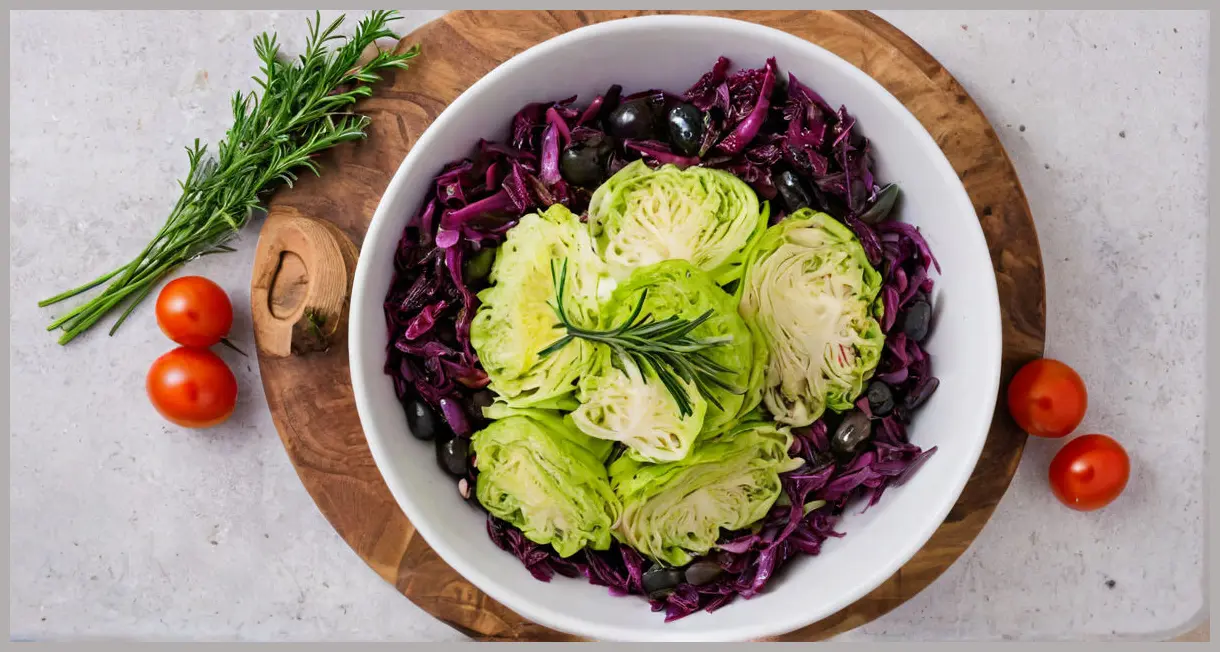
| Description | A plant‑based twist on the traditional Italian stew. Savoy cabbage wedges absorb rich, tomatoey flavour, making the dish perfect with crusty bread, rice, or mashed potatoes. |
Why this dish works:
- Texture: Savoy cabbage retains a gentle crunch even after simmering, providing contrast to the silky tomato sauce.
- Flavor absorption: The charred outer leaves develop a smoky depth that the broth later infuses throughout the wedge.
- Balance: Sweetness from red pepper, acidity from tomatoes and wine, briny notes from olives and capers, and aromatic herbs create a harmonious palate.
Nutritional highlights (per serving, approximate):
- Calories: 210 kcal
- Protein: 5 g (mainly from mushrooms and olives)
- Fiber: 6 g (cabbage, peppers, tomatoes)
- Vitamin C: 85 % DV (cabbage & red pepper)
These numbers make the dish a light yet satisfying option for anyone looking to increase plant‑based meals without sacrificing heartiness.
Ingredient Highlight
Below is the complete ingredient list, presented in the order they appear in the recipe. Understanding each component will help you see why they’re essential and how you might swap them if needed.
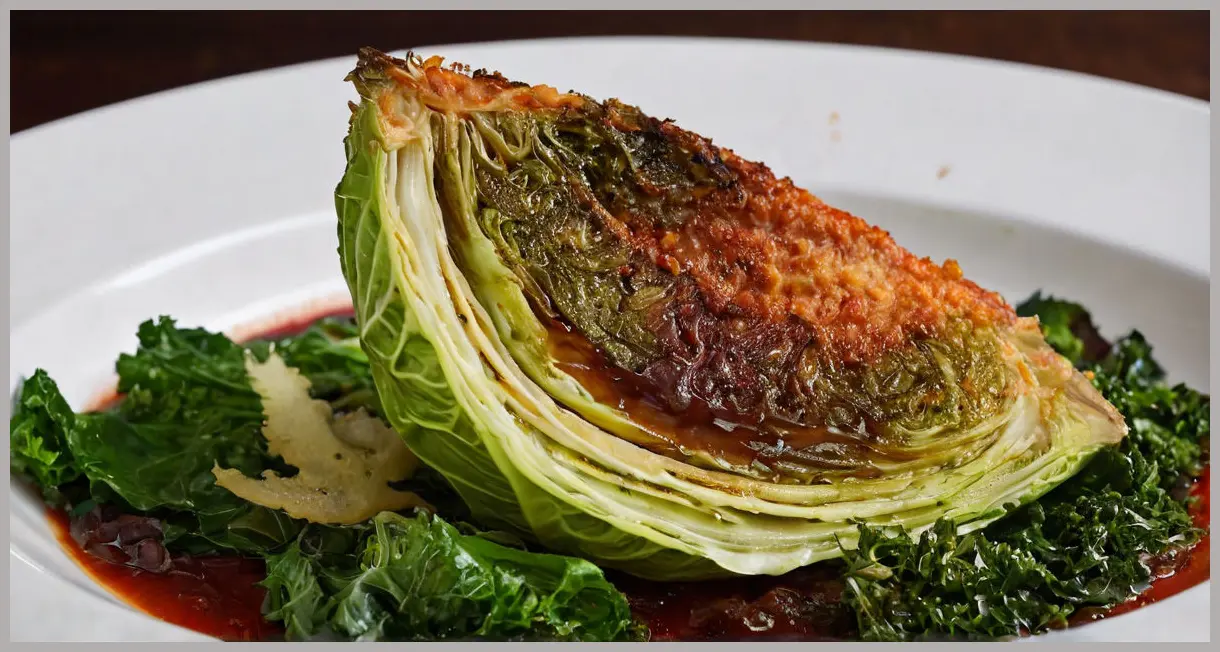
- 1 medium savoy cabbage – The backbone of the stew; its layered leaves char beautifully and hold the sauce.
- Olive oil to fry – Adds richness and helps achieve the caramelised char on the cabbage.
- 1 onion, sliced – Provides a sweet, aromatic base.
- 1 celery stick, sliced – Introduces a subtle earthy crunch and classic “soffritto” flavor.
- 1 red pepper, deseeded and chopped into 2 cm pieces – Contributes bright colour, natural sweetness, and vitamin C.
- 4 garlic cloves, sliced – Delivers depth and a hint of pungency.
- 2 tbsp tomato purée – Concentrated tomato flavour that thickens the sauce early on.
- 150 ml red wine – Adds acidity, complexity, and helps deglaze the pan after charring.
- 400 g tin chopped tomatoes – Forms the stew’s liquid backbone, offering a fresh‑tomato tang.
- 150 g button mushrooms – Imparts umami and a meaty texture without animal products.
- 1 sprig of rosemary – Gives a piney, aromatic lift that pairs well with cabbage.
- 1 tsp dried oregano – Classic Italian herb that rounds out the sauce.
- 50 g black olives – Briny bursts that balance the sweetness of the peppers.
- 1 tbsp capers – Tiny salty pop‑ups that enhance the Mediterranean vibe.
- Handful parsley or basil, chopped – Fresh herb finish for brightness and colour.
Pro tip: If fresh rosemary isn’t on hand, a pinch of dried rosemary works just as well. Likewise, you can substitute kale or green cabbage for the savoy, though the texture will be slightly different.
Step‑by‑Step Instructions
-
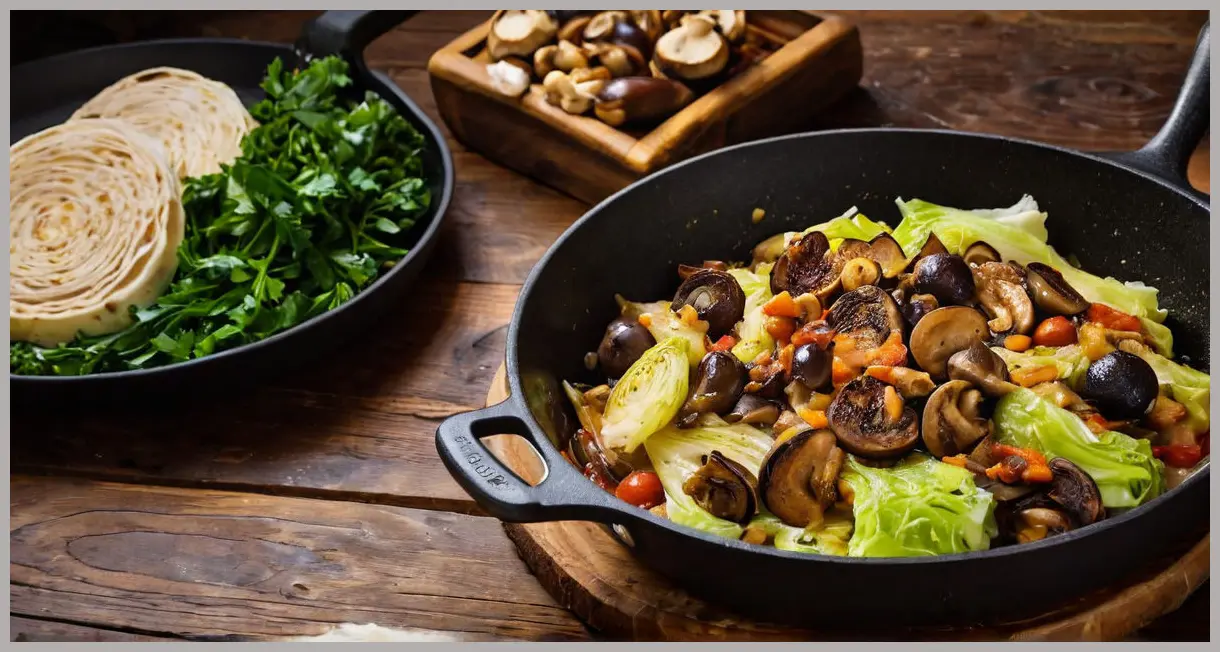
Prepare the cabbage – Remove any damaged outer leaves from the cabbage, wash to remove any dirt and slice into 4 wedges. Put a large lidded saucepan over a high heat and, once smoking, add a drizzle of vegetable oil and the cabbage wedges, cut‑side down. Cook for a few minutes until nicely charred, then flip to char the other cut side for another few minutes. Remove and set aside.
-
Build the aromatics – Add another drizzle of oil to the pan, turn down the heat to medium, then add the onions, celery, red pepper and garlic and cook for 6 minutes until soft. Stir in the tomato purée and cook for 2 minutes.
-
Combine and simmer – Nestle the cabbage wedges back into the pan then pour in the wine. Simmer until reduced by half (about 4 minutes) then add 200 g water, the tinned tomatoes, mushrooms, rosemary, oregano, olives and capers and season with salt and pepper. Cover and simmer for 20 minutes, until the sauce has thickened slightly and you can insert a knife into the thick stem of a cabbage wedge with little resistance. Serve scattered with chopped parsley or basil.
Tips for success
- Char without burning: Keep the heat high enough to sear quickly, but watch the cabbage closely; a few minutes per side is sufficient to develop a deep brown colour without turning black.
- Deglaze properly: When you add the red wine, use a wooden spoon to scrape up any browned bits stuck to the pan. Those bits are flavor gold.
- Test for doneness: The cabbage should be tender yet still hold its shape. A gentle “give” when you poke the thick stem is the sweet spot.

Serving Suggestions & Variations
Classic accompaniments
- Crusty Italian bread – A rustic loaf, lightly toasted, is perfect for mopping up the luscious sauce.
- Steamed basmati rice – The neutral grain lets the stew’s bold flavours shine.
- Creamy mashed potatoes – For a heartier, comfort‑food feel, serve the cacciatore over a pillow of buttery mash.
Creative twists
| Variation | How to adapt |
|---|---|
| Spicy kick | Add ½ tsp red‑pepper flakes with the aromatics or a splash of hot sauce at the end. |
| Smoky depth | Replace half the olive oil with a drizzle of smoked paprika‑infused oil before charring the cabbage. |
| Protein boost | Stir in 200 g cooked lentils or chickpeas after the sauce has thickened for extra plant protein. |
| Herb swap | Use thyme instead of rosemary, or add a pinch of sage for an earthy note. |
| Vinegar brightness | Finish with a teaspoon of balsamic reduction for a sweet‑tart contrast. |
Seasonal pairings
- Spring: Add a handful of fresh peas or asparagus tips in the last 5 minutes of simmering.
- Autumn: Toss in cubed butternut squash with the mushrooms for a sweet, earthy layer.
Conclusion
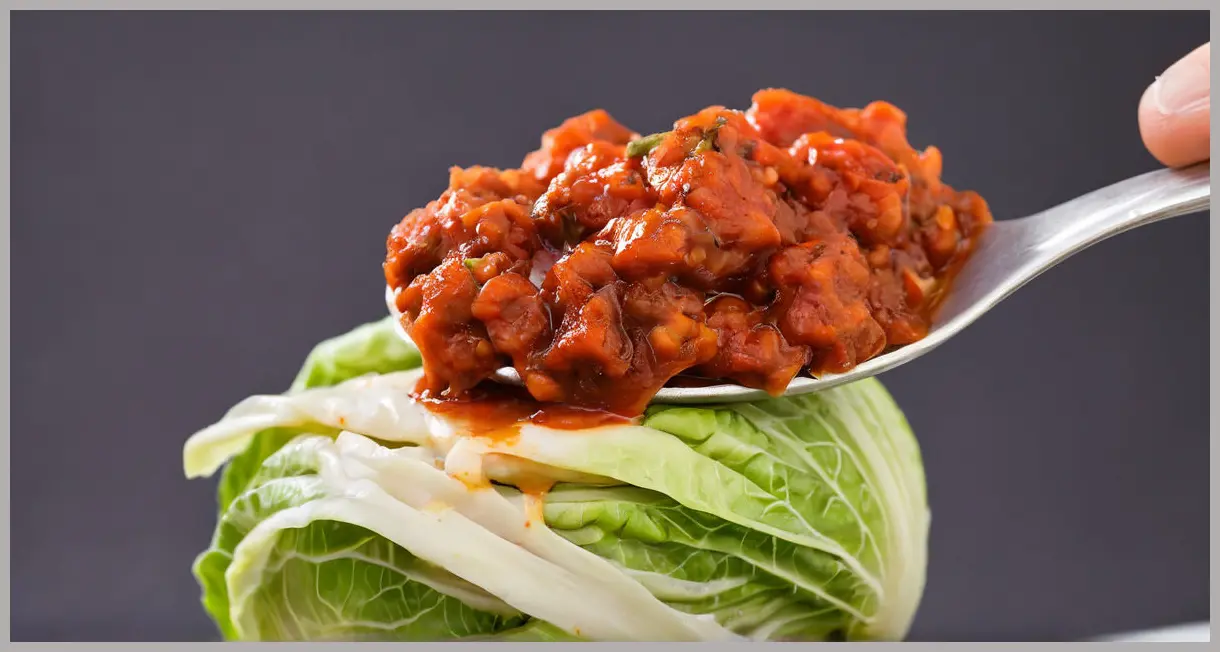
Vegan Cabbage Cacciatore proves that a plant‑based stew can be as satisfying, aromatic, and comforting as its meat‑laden ancestors. By leveraging simple techniques—charred cabbage, a quick sauté of aromatics, and a slow simmer in red‑wine‑infused tomato broth—you create a dish that’s both approachable for novice cooks and impressive enough for seasoned foodies.
The recipe’s flexibility invites endless experimentation: spice it up, bulk it up with legumes, or pair it with your favorite starch. No matter how you serve it, the core promise remains the same—savoy cabbage wedges soaked in a deep, tomato‑rich sauce that delivers a wholesome, balanced meal in under an hour.
Give this recipe a try tonight, and let the fragrant steam and vivid colours of Vegan Cabbage Cacciatore transport your kitchen to a rustic Italian trattoria—without ever leaving your stovetop. Happy cooking!


Leave a Reply