
Salt‑Baked Celeriac with Tahini
Difficulty: Easy
Serves: 4‑6
Hands‑on time: 30 min
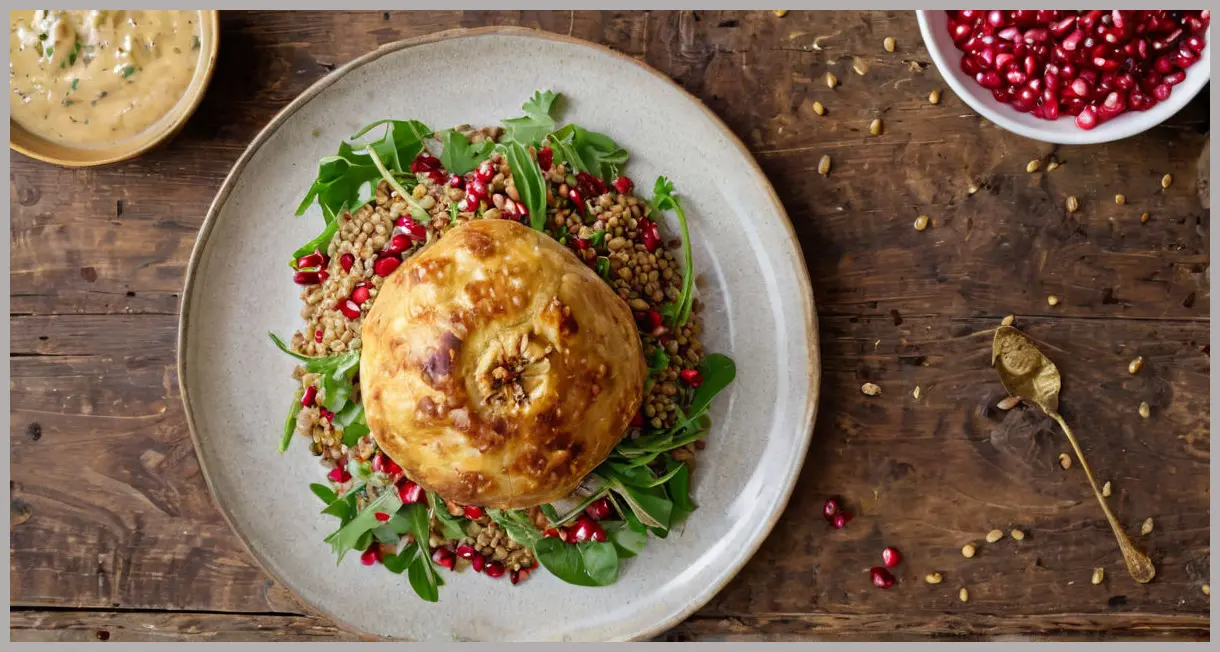
Description: Salt‑baked celeriac makes an easy but impressive vegan centrepiece. Serve on a colourful lentil and pomegranate salad with tahini sauce and zhoug.
Introduction
When you think of a show‑stopping vegan main, your mind might wander to roasted root vegetables, hearty grain bowls, or a silky mushroom risotto. But what if you could turn a humble, under‑appreciated tuber into a star‑worthy dish with just a few simple ingredients and a touch of culinary magic? Enter Salt‑Baked Celeriac with Tahini – a dish that marries the earthy sweetness of celeriac with a crunchy, savory salt crust, and finishes with a silky, herb‑infused tahini dressing. The result is a plate that feels both rustic and refined, perfect for impressing guests or elevating your weekday dinner.
This recipe is designed for beginner‑to‑intermediate cooks. The techniques are straightforward, the ingredients are pantry staples (plus a few specialty items that you’ll find in most health‑food stores), and the overall process is a walk in the park. Let’s dive in and explore how to create this delicious, approachable meal.
Meal Profile
| Element | Details |
|---|---|
| Name | Salt‑Baked Celeriac with Tahini |
| Cuisine | Mediterranean‑inspired vegan |
| Cooking Method | Salt‑baking (a form of dry roasting) |
| Key Flavors | Earthy, nutty, slightly peppery, citrusy |
| Texture | Crispy salt crust, tender interior, creamy dressing |
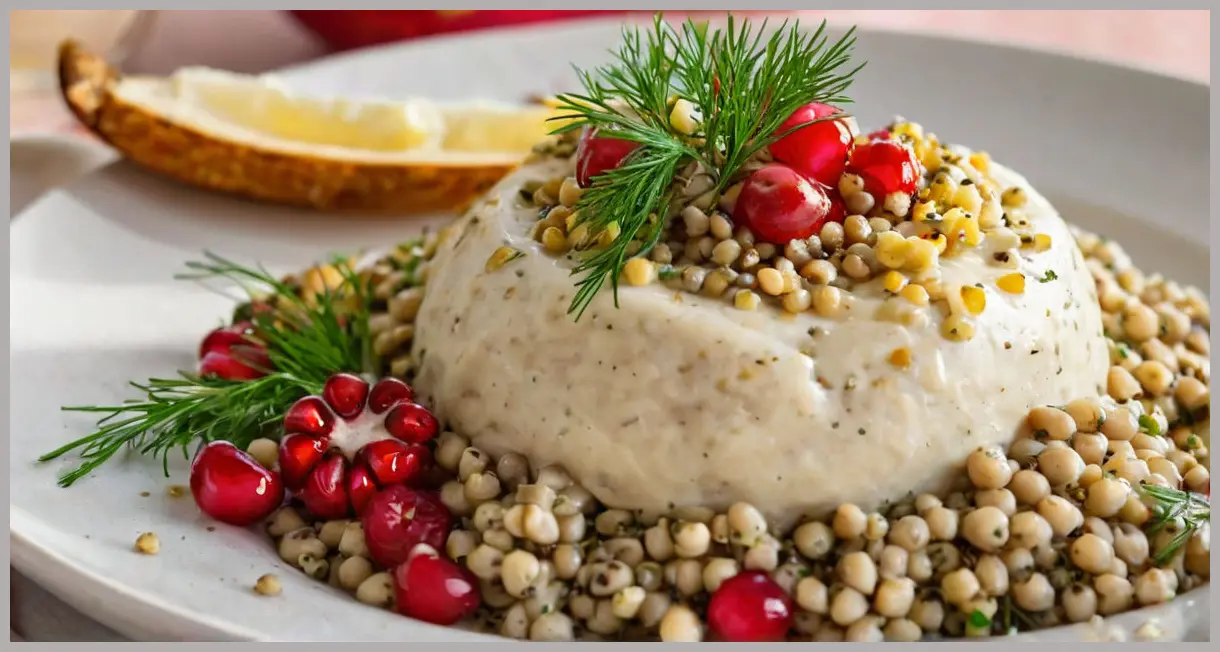
| Color Palette | Creamy white celeriac, vibrant green salad, ruby‑red pomegranate seeds |
The dish’s core concept is simple: encase a whole celeriac in a salt‑herb dough, bake it slowly until the salt crust hardens into a golden shell, then slice and serve with a fresh, zesty lentil salad and a silky tahini sauce. The combination of textures and flavors—crunchy, creamy, bright, and savory—creates a balanced plate that satisfies both the palate and the eye.
Ingredient Highlight
Below is a full rundown of every ingredient used in this recipe. We’ve grouped them by category so you can see what goes where and why each one matters.
Vegetables & Greens
- 1 large whole celeriac – the star of the show; its subtle, nutty flavor is a perfect canvas.
- 80 g mixed baby salad leaves (rocket, sorrel) – add peppery bite and color.
- 2‑3 spring onions, finely chopped – bright, oniony crunch.
- Small bunch each of mint, dill (or coriander), and flat‑leaf parsley – fresh herbs that lift the dressing and salad.
- 3‑4 tbsp pomegranate seeds – jewel‑like bursts of tart sweetness.
- Lemon wedges (optional) – a squeeze of citrus adds brightness.
Spices & Seasonings
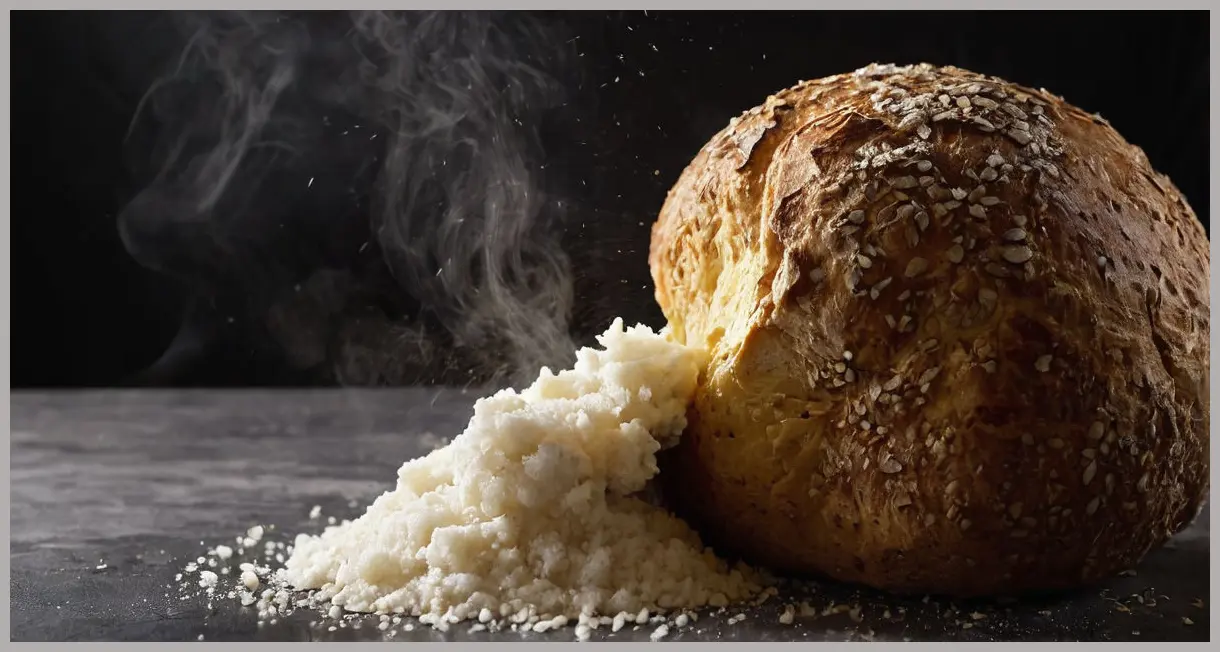
- 170 g fine sea salt – crucial for the crust; use a good quality salt for the best flavor.
- 2 tbsp cumin seeds – earthy, warm undertones that complement the celeriac.
- Large handful of herbs, leaves picked – rosemary, thyme, marjoram, oregano; finely chopped for a fragrant dough.
Baking & Binding
- 500 g plain flour – gives structure to the salt crust.
- Glug olive oil – helps bind the dough and adds richness.
Sauces & Dressings
- 1 tbsp zhoug paste (see Know How) – a spicy, herby Middle‑Eastern paste that adds heat.
- 1 tbsp Belazu Tahini – creamy sesame paste that gives the sauce body.
- 4 tbsp Belazu Tahini – for the final dressing.
- 1 small garlic clove, crushed – sharp, aromatic base for the sauce.
- 2 tsp olive oil – for the dressing’s silky texture.
- Juice of 1 lemon – acidity balances the richness.
- Extra zhoug paste, plus extra to serve – for those who like a little more heat.
Grains & Protein
- 500 g lentils (brown or green) – hearty, protein‑rich base for the salad.
Miscellaneous
- Glug olive oil – used in the salad and for roasting.
Step‑by‑Step Instructions
Below we’ve extracted each step from the original method array and expanded on the details to make the process crystal‑clear. Follow the numbered list closely, and you’ll have a show‑stopper ready in just a few hours.
1. Preheat, Prep, and Coat
- Heat the oven to 160 °C fan (or 140 °C conventional) – a low temperature that allows the salt crust to set slowly without burning.
- Rub the celeriac with 1 tbsp zhoug paste and 1 tbsp Belazu Tahini. This gives the tuber a flavorful base before it’s wrapped.
- Make the salt‑herb dough:
- In a food processor, combine 500 g plain flour, 170 g fine sea salt, 2 tbsp cumin seeds, and the large handful of herbs. Pulse until the herbs are finely chopped and the mixture resembles coarse crumbs.
- With the motor running, pour in about 200 ml cold water until a firm dough forms. If you’re baking by hand, finely chop the herbs and mix in a bowl with the flour, salt, and cumin seeds. Add water gradually and stir until a cohesive dough emerges.
- Knead the dough briefly on a clean surface, then roll it out into a disc large enough to fully wrap the celeriac.
- Wrap the celeriac: Place the rolled dough over the tuber, pinching the edges together beneath to enclose it completely. The salt crust should be tight and even.
2. Bake the Salt‑Crusted Celeriac
- Transfer the wrapped celeriac to a baking tray, seam‑side down.
- Bake for 2 hours. The low heat will slowly cook the inside while the salt crust hardens into a golden, crunchy shell.
3. Prepare the Tahini Dressing
- In a small bowl, combine:
- 4 tbsp Belazu Tahini
- 1 small crushed garlic clove
- 2 tsp olive oil
- Juice of 1 lemon
- 1 tbsp zhoug paste (plus extra to taste)
- Whisk until smooth.
- Thin the sauce with enough cold water to reach a drizzling consistency.
- Season with salt and a splash more lemon if desired.
- Cover and set aside until ready to serve.
4. Assemble the Lentil Salad
- Cook lentils according to package instructions until tender but still firm. Drain and let cool slightly.
- In a large bowl, toss the lentils with 3 tbsp zhoug paste and a generous glug of olive oil.
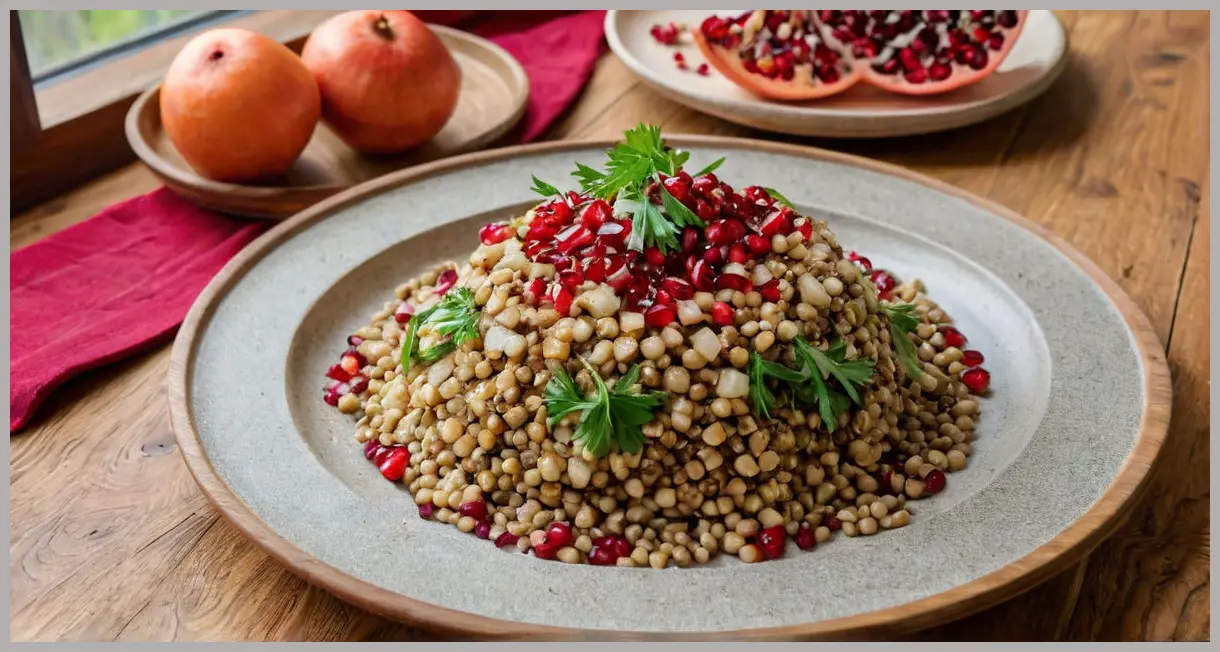
- Add the mixed baby salad leaves, finely chopped spring onions, picked herbs (mint, dill, parsley), and pomegranate seeds.
- Stir gently to combine, then set aside.
5. Finish & Serve
- Remove the celeriac from the oven. Wear oven gloves to handle the hot tray.
- Using a serrated knife, slice away the salt crust. The crust should crack and fall away cleanly.
- Discard the crust (or save for another use if you’re adventurous).
- Slice the celeriac into wedges.
- Plate the lentil salad in a bowl or on a platter.
- Arrange the celeriac wedges on top or alongside the salad.
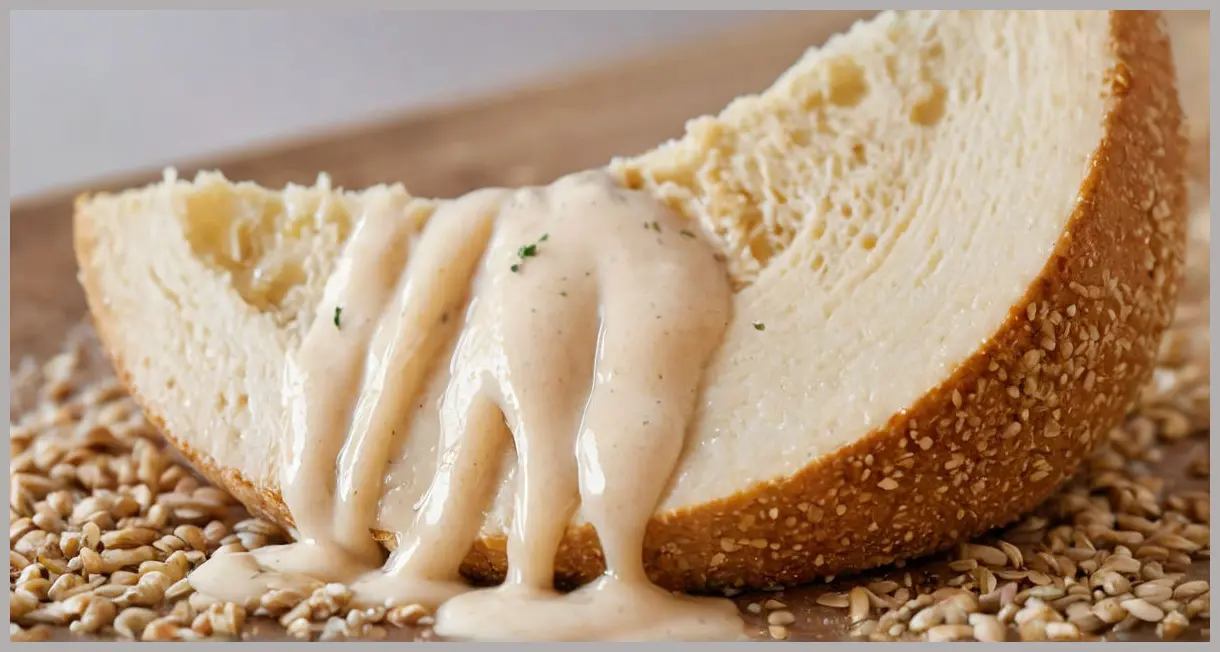
- Drizzle the tahini dressing over the salad and celeriac.
- Squeeze fresh lemon over the top for brightness.
- Serve immediately, with extra zhoug on the side for those who want a kick of heat.
Serving Suggestions & Variations
Classic Plate
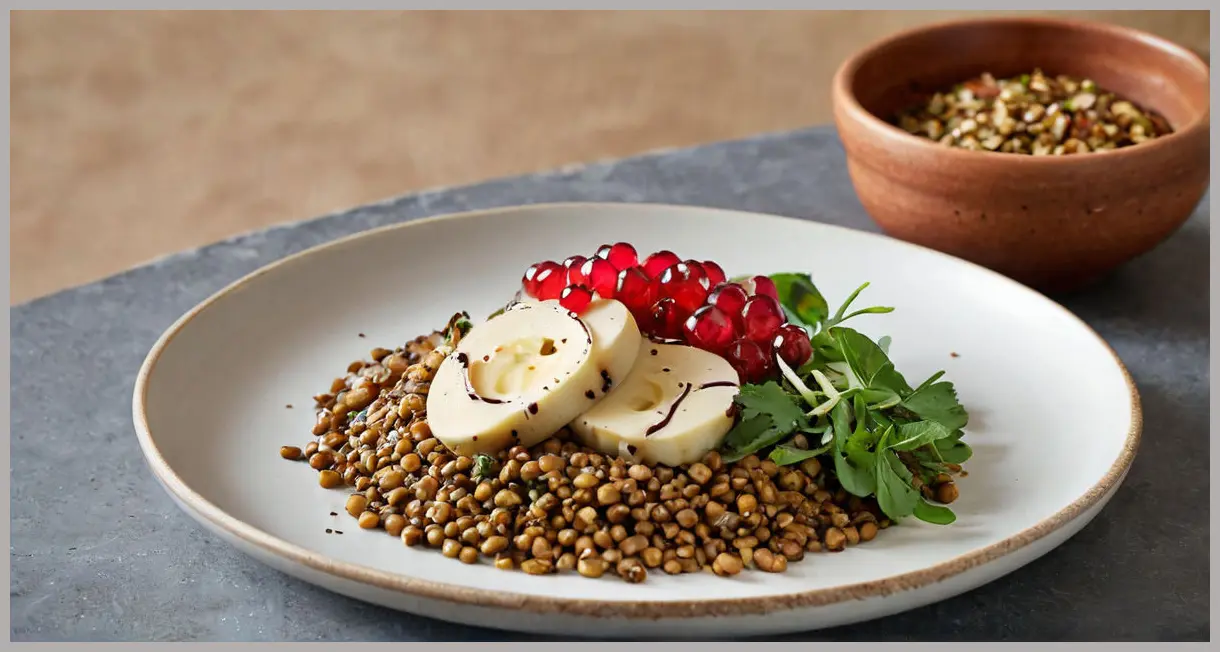
- Presentation: Place the celeriac wedges on a bed of the lentil salad. Drizzle the tahini dressing in a circular pattern, then garnish with pomegranate seeds and a few sprigs of fresh herbs.
- Accompaniments: A side of warm, crusty whole‑grain bread or a simple cucumber‑mint salad balances the dish.
Flavor Tweaks
- Heat Level: Increase the amount of zhoug paste in the dressing or add a pinch of cayenne pepper to the salt dough.
- Herb Swap: Use basil or tarragon instead of rosemary for a sweeter note.
- Nutty Add‑On: Sprinkle toasted pumpkin seeds or sliced almonds over the salad for extra crunch.
Texture Variations
- Celeriac Prep: If you prefer a softer interior, halve the celeriac before wrapping; the cooking time will shorten slightly.
- Dressing Swap: Replace tahini with a cashew‑based cream or a simple vinaigrette for a lighter sauce.
Seasonal Adaptations
- Spring: Add fresh peas or asparagus to the salad.
- Autumn: Incorporate roasted butternut squash or apple slices.
Conclusion
Salt‑Baked Celeriac with Tahini is a testament to how a few humble ingredients, when combined thoughtfully, can produce a dish that feels both comforting and sophisticated. The low‑heat salt crust preserves the celeriac’s natural sweetness, while the zhoug‑tahini dressing adds a creamy, peppery finish that ties everything together. Whether you’re cooking for a crowd or a cozy family dinner, this recipe scales beautifully and invites plenty of creative tweaks.
Give it a try, experiment with the herbs and spices, and let the flavors guide you. Your taste buds—and your guests—will thank you. Happy cooking!


Leave a Reply