
Runner Bean and Apple Chutney: A Sweet, Tangy Summer Pickle
Difficulty: Easy
Portion: Makes about 1.5–1.75 L
Hands‑on time: 15 min
Introduction
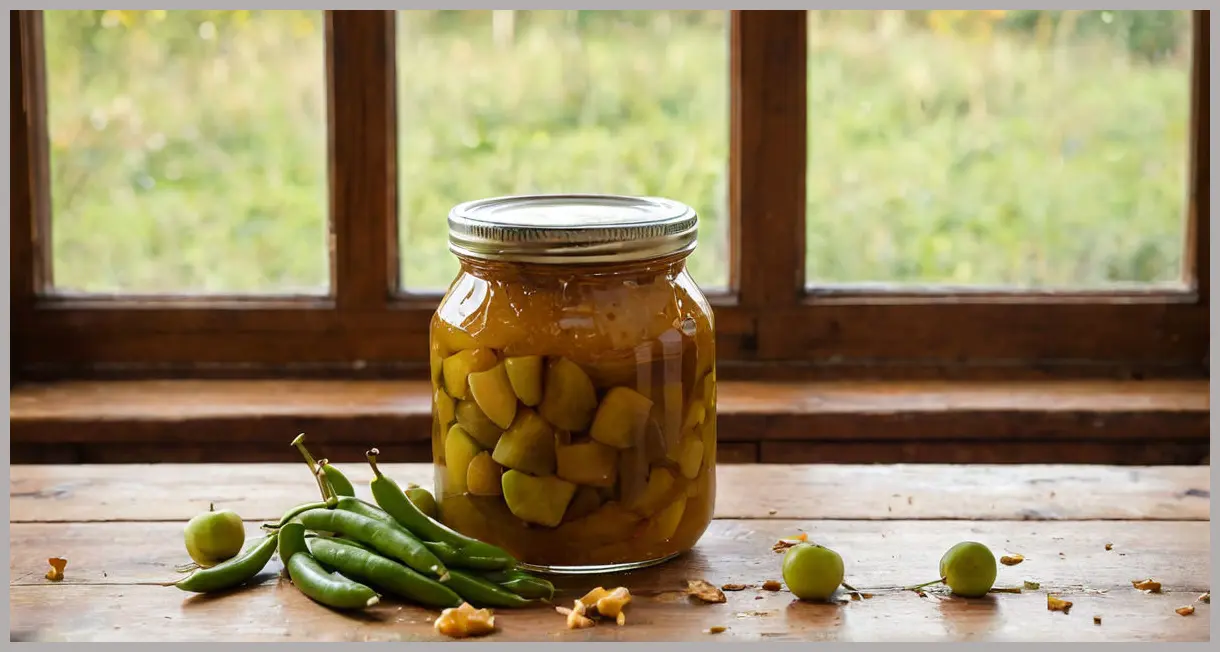
There’s nothing quite like the feeling of a garden bursting with late‑summer bounty – the crisp snap of fresh runner beans, the bright, tart bite of bramley apples, and the comforting scent of simmering spices. When the harvest is plentiful, why not turn that surplus into something that will keep the flavors alive all winter long? Enter Runner Bean and Apple Chutney – a vibrant, tangy pickle that marries sweet apples, hearty beans, and a symphony of spices into a jar‑ready treasure.
This recipe, adapted from Gill Meller’s Root, Stem, Leaf, Flower (available for £27 at Hardie Grant), is the perfect way to preserve the fleeting taste of late‑summer produce. With an easy preparation method and a generous yield of 1.5–1.75 L, it’s ideal for beginners and intermediate cooks alike. The chutney’s bright color and complex flavor profile make it a versatile accompaniment to everything from roasted meats to cheese platters, and it’s sure to become a staple in your pantry.
Let’s dive into how you can transform a handful of runner beans and apples into a jar of sunshine that will last well into the winter months.
Meal Profile
| Feature | Details |
|---|---|
| Title | Runner Bean and Apple Chutney |
| Difficulty | Easy |
| Portion | 1.5–1.75 L (enough for multiple servings) |
| Hands‑on Time | 15 min |
| Total Time | 2–2.5 h (including simmering) |
| Description | Transform a glut of late‑summer veg into Gill Meller’s runner bean and apple chutney. This tangy pickle will last you well into winter. Root, Stem, Leaf, Flower by Gill Meller is out now (£27, Hardie Grant). |
| Ideal For | Preserving jars, serving with roasted meats, or as a condiment for sandwiches and cheeses |
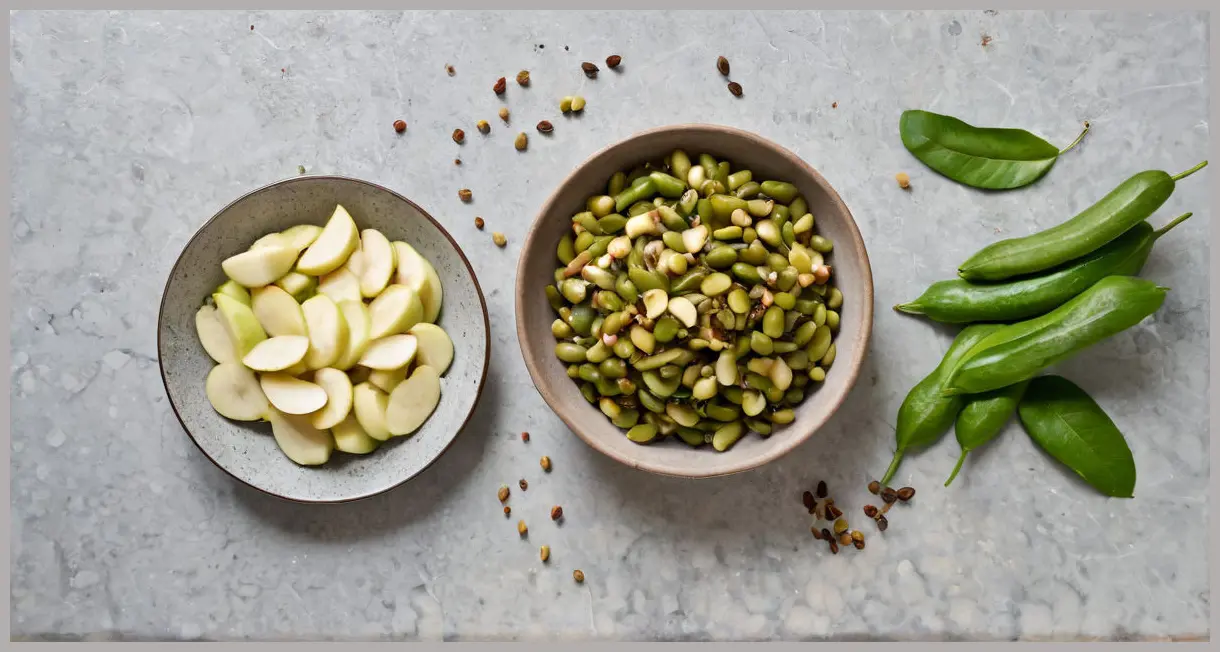
The recipe’s simplicity belies its depth of flavor: sweet apples, earthy beans, and a blend of spices that create a balanced, complex taste. The chutney’s natural acidity and sugar content also act as natural preservatives, allowing it to stay fresh for months when stored properly.
Ingredient Highlight
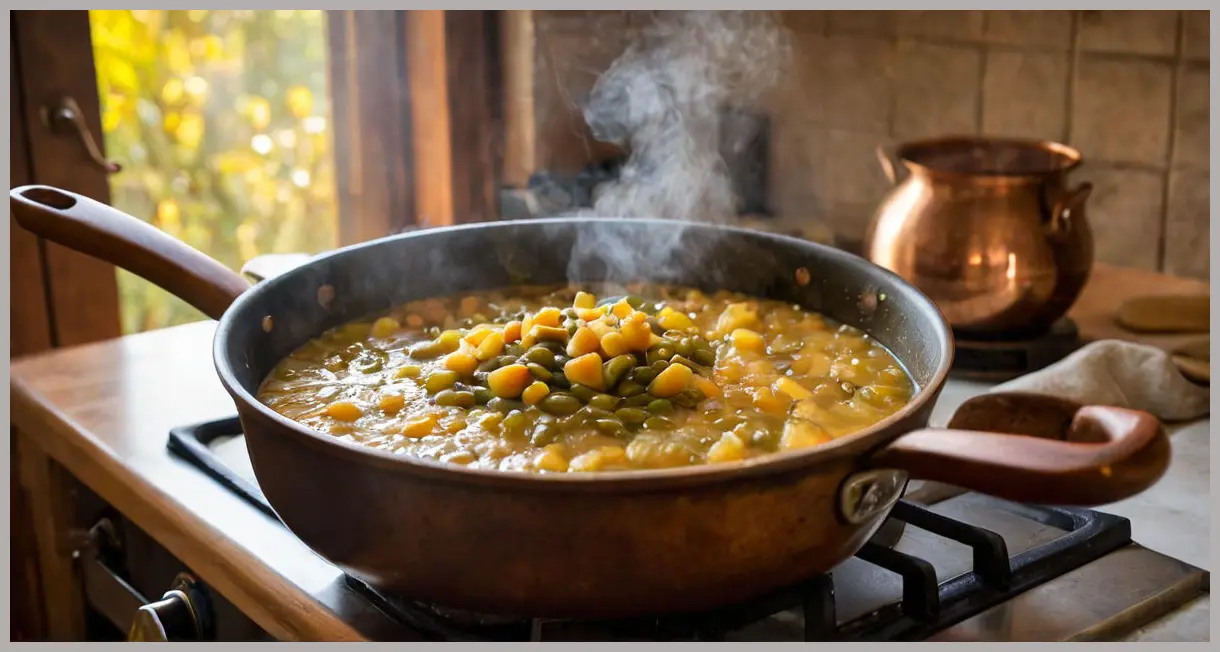
Below is a breakdown of each component and why it matters. Feel free to tweak the quantities or swap out ingredients to suit your taste or pantry.
| Category | Ingredient | Purpose |
|---|---|---|
| Vegetables | 500 g runner beans, de‑stringed and cut into 1 cm lengths | Provides a crunchy, slightly sweet base that balances the fruit and spices. |
| 500 g ripe tomatoes, roughly chopped | Adds depth, acidity, and a subtle sweetness that complements the apples. | |
| Fruits | 1 kg bramley apples, peeled, quartered, cored and roughly chopped | The star of the chutney – their tartness cuts through the sweetness and enriches the overall flavor. |
| Sweetener | 350 g light brown soft sugar | Balances the acidity and spices, and helps the chutney set. |
| Acid | 500 ml cider vinegar | Provides the necessary acidity for preservation and brightens the flavors. |
| Spices | 2 tsp coriander seeds, bashed | Offers a citrusy, nutty undertone. |
| 1 tsp caraway seeds, bashed | Adds a slightly sweet, anise‑like flavor that pairs well with apples. | |
| 2 green cardamom pods, bashed | Brings a warm, floral note that lifts the chutney. | |
| Salt | 1 tsp fine sea salt | Enhances all the flavors and aids in preservation. |
| Onions | 2 onions, roughly chopped | Adds sweetness and depth; caramelizes slightly during cooking. |
| Dried fruit | 150 g sultanas | Contributes a chewy texture and a burst of sweetness. |
| Equipment | Preserving pan or large non‑reactive saucepan; sterilised preserving jars | Ensures even cooking and safe, long‑term storage. |
| Pestle and mortar for bashing | Allows you to crush the spices into a fine paste, releasing their essential oils. |
Tip: If you’re short on runner beans, you can substitute with green beans or even frozen peas. Just keep the texture in mind – you want something that holds its shape during the long simmer.
Step‑by‑Step Instructions
Note: The following steps are extracted directly from the recipe’s method array. Follow them closely for the best results.
- Put all the ingredients in a preserving pan over a medium heat (see Easy Swaps). Slowly bring the mixture up to a simmer, stirring regularly until the sugar has dissolved.
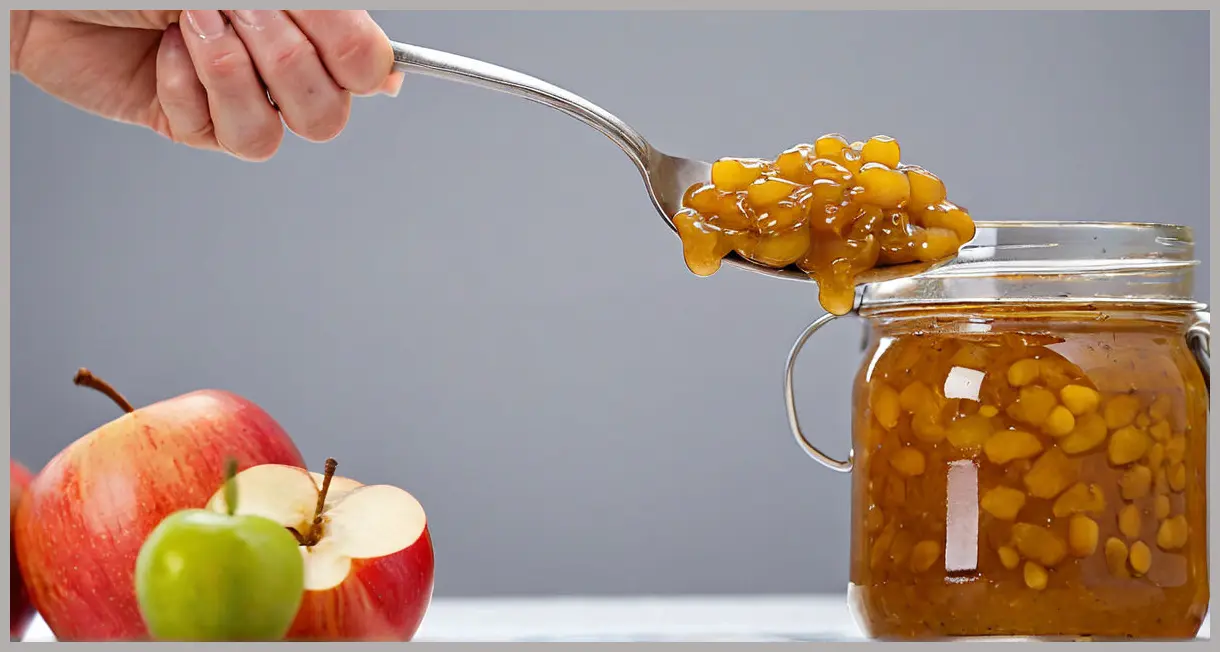
- Reduce the heat and gently simmer the chutney for 1½–2 hours, stirring every so often to stop it sticking to the base of the pan. The chutney will thicken as it cooks; you’ll know it’s ready when you can draw a wooden spoon across the bottom of the pan and it leaves a path behind it for a few seconds before the chutney collapses back down and covers the base. Be extra‑careful it doesn’t catch and burn at this point.
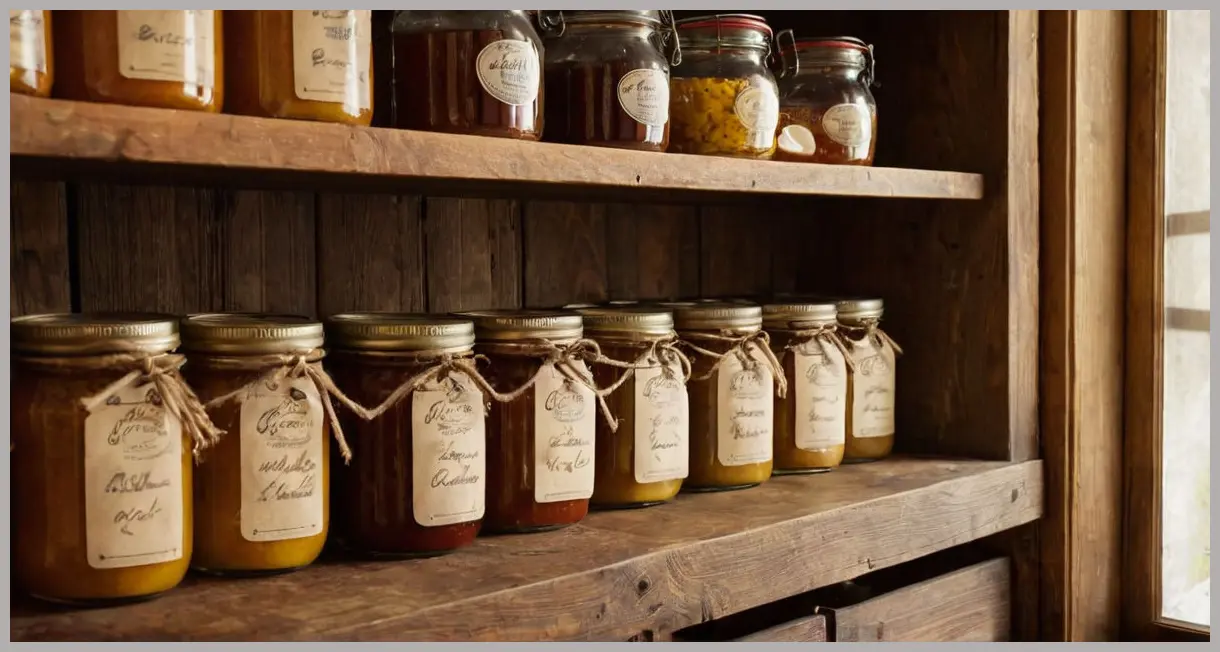
- Remove the chutney from the heat and spoon carefully into jars, still warm from sterilising (see Know‑how). Seal with the lids and cool. Store in a cool, dark place for several months before eating – although you can eat it earlier, if you like. Once open, store in the fridge and use within a month.
Serving Suggestions & Variations
Classic Pairings
- Roasted Meats: A spoonful of this chutney drizzled over roast pork, chicken, or lamb adds a burst of sweet‑tart flavor that complements the savory meat.
- Cheese Boards: Pair with sharp cheddar, aged Gouda, or creamy brie. The chutney’s acidity cuts through the richness of the cheese.
- Sandwiches & Burgers: Use it as a spread on grilled cheese, burgers, or even a veggie wrap for an extra layer of complexity.
- Grain Bowls: Swirl it into quinoa, couscous, or farro bowls to add texture and a hint of spice.
Variations to Try
| Variation | How to Adapt |
|---|---|
| Add a Kick | Toss in a pinch of crushed red pepper flakes or a small sliced jalapeño during step 1 for a subtle heat. |
| Herbal Twist | Add a handful of fresh thyme or rosemary during the simmer for an aromatic note. |
| Citrus Boost | Squeeze in the juice of one lime or a splash of orange juice in step 1 to brighten the overall flavor. |
| Smoky Flavor | Add a small piece of smoked paprika or a dash of liquid smoke to the mixture. |
| Sweet Variation | Replace half the apples with pears or add dried apricots for a different sweet profile. |
| Vinegar Swap | Use apple cider vinegar or red wine vinegar instead of cider vinegar for a slightly different acidity. |
| Sugar Substitution | Use honey or maple syrup for a natural sweetener; adjust the amount to taste. |
| Vegetable Swap | Replace runner beans with green beans, peas, or even diced carrots for a different texture. |
Storage & Reheating
- Long‑Term Storage: Once sealed, keep the jars in a cool, dark pantry for up to 6 months. The chutney’s high sugar and acid content will keep it safe and flavorful.
- Refrigerated Use: After opening, store the chutney in the fridge. It’s best enjoyed within a month, though it will remain safe for a bit longer if kept cold.
- Reheating: If the chutney has thickened after storage, gently reheat it on the stove with a splash of water or apple juice to restore its pourable consistency.
Conclusion
Runner Bean and Apple Chutney is more than just a condiment—it’s a celebration of late‑summer harvests, a testament to the art of preservation, and a versatile flavor enhancer for a wide range of dishes. With an easy recipe that takes only 15 minutes of hands‑on time and a generous yield of 1.5–1.75 L, it’s an ideal project for anyone looking to stretch their seasonal produce into the winter months.
The blend of sweet apples, earthy beans, and aromatic spices creates a chutney that is both comforting and exciting. Whether you serve it alongside a succulent roast, spread it on a hearty sandwich, or simply enjoy a spoonful on its own, this chutney promises to elevate any meal.
Give it a try, experiment with the variations, and let the flavors of late summer linger in your pantry for months to come. Happy cooking!


Leave a Reply