
Roasted Rainbow Carrot Salad – A Vibrant, Easy‑to‑Make Warm Salad
Keyword focus: Roasted Rainbow Carrot Salad

Introduction
If you’ve ever stared at a plain, wilted side dish and thought, “There has to be a more exciting way to enjoy my vegetables,” you’re not alone. The answer often lies in a simple transformation of humble produce into a dish that dazzles the eyes and the palate. Enter the Roasted Rainbow Carrot Salad – a colorful, nutrient‑rich, and utterly approachable meal that feels special without demanding a culinary degree.
Perfect for beginners who are still mastering the basics of roasting and for intermediate cooks looking for a fresh twist on familiar flavors, this salad brings together sweet, tangy, nutty, and herbaceous notes in one harmonious bowl. In less than an hour you’ll have a vibrant centerpiece that can serve as a side, a light main, or a crowd‑pleasing potluck contribution.
In this post we’ll walk through every aspect of the dish: a quick profile, a deep dive into each ingredient, a step‑by‑step guide, serving ideas, and creative variations. By the end, you’ll feel confident to whip up this Roasted Rainbow Carrot Salad and make it your own.
Meal Profile
| Aspect | Details |
|---|---|
| Title | Roasted Rainbow Carrot Salad |
| Difficulty | Easy |
| Portion | Serves 6 |
| Hands‑on Time | 15 minutes (plus 30‑40 minutes roasting) |
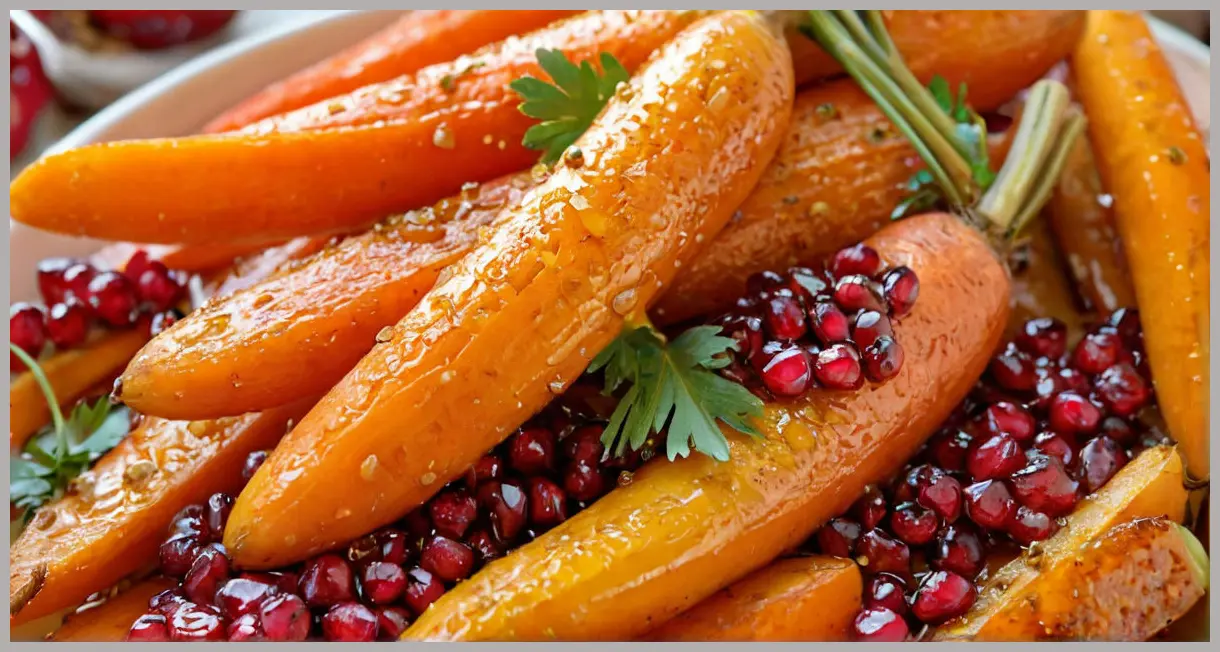
| Description | Roast rainbow carrots then tumble together with pomegranate, pumpkin seeds, herbs and lemony dressing for an easy, colourful warm salad. |
This salad shines because it balances texture (tender roasted carrots, crisp pumpkin seeds, juicy pomegranate arils) and flavor (sweet honey or maple syrup, bright lemon, aromatic herbs). The warm carrots make the dish comforting, while the fresh herbs and citrus keep it lively. Even if you’re new to the kitchen, the steps are straightforward: prep, roast, toss, and serve.

Ingredient Highlight
Below is the complete ingredient list, presented exactly as provided. Each component plays a purposeful role, and we’ll explain why it matters in the “Why It Works” notes that follow.
Ingredients
- 1 tbsp clear honey (or maple syrup if vegan)
- Grated zest and juice of 1 lemon
- 5 tbsp extra‑virgin olive oil
- 1.5 kg mixed heirloom or rainbow carrots, trimmed (or use regular)
- 1 red onion, sliced into thin wedges
- Handful salad leaves
- 30 g pumpkin seeds, toasted in a dry pan
- 80 g pomegranate seeds
- 2 tbsp each chopped parsley, coriander and mint
- Large roasting tin lined with compostable baking paper
Why It Works
| Ingredient | Role in the Dish | Tips & Substitutions |
|---|---|---|
| Clear honey / maple syrup | Adds a subtle sweetness that caramelizes during roasting, balancing the earthiness of carrots. | Use agave nectar for a low‑glycemic option; omit for a completely savory version. |
| Lemon zest & juice | Provides bright acidity that lifts the roasted flavors and ties the dressing together. | Lime works for a tropical twist; add a splash of orange juice for extra citrus depth. |
| Extra‑virgin olive oil | Acts as a carrier for the honey and lemon, ensuring even coating and crisp edges on the veggies. | Use avocado oil for a higher smoke point if you prefer a slightly nuttier flavor. |
| Rainbow carrots | The star of the show; their natural sugars caramelize while their varied colors create visual appeal. | Regular orange carrots work fine; add a few baby carrots for extra bite. |
| Red onion | Contributes a mild, sweet sharpness that softens as it roasts, adding depth without overpowering. | Sweet Vidalia onions can be used for a milder flavor. |
| Salad leaves | Offer a fresh, peppery contrast to the warm vegetables, adding texture and volume. | Baby arugula, spinach, or mixed micro‑greens are excellent alternatives. |
| Pumpkin seeds | Provide a crunchy, nutty element and a dose of healthy fats and protein. | Sunflower seeds or toasted pine nuts can be swapped in. |
| Pomegranate seeds | Burst with juicy tartness, delivering antioxidant‑rich pop‑in‑your‑mouth moments. | Dried cranberries (rehydrated) add a similar chewiness if pomegranates are unavailable. |
| Parsley, coriander, mint | Fresh herbs brighten the dish, each contributing distinct aromatic notes. | Basil or dill can replace any of the herbs for a different flavor profile. |
| Compostable baking paper | Ensures easy cleanup and a sustainable cooking method. | Aluminum foil works, but it’s less eco‑friendly. |
Understanding the purpose of each ingredient helps you adapt the recipe to dietary needs, seasonal availability, or personal taste without compromising the final result.
Step‑by‑Step Instructions
Follow these numbered steps for a smooth cooking experience. The instructions are taken directly from the method array, preserving the original wording while formatting them for clarity.
- Heat the oven to 180 °C fan/gas 6. Whisk together the honey/syrup, lemon zest, 1 tbsp of the oil and a little seasoning.
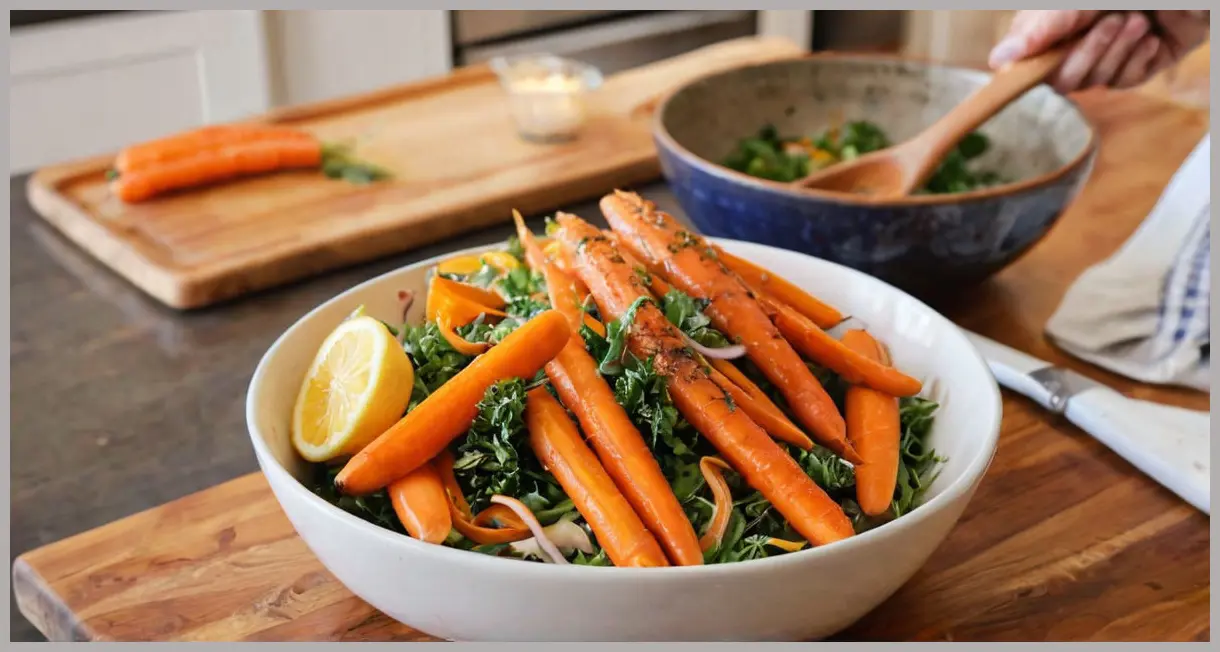
- Halve the carrots lengthways and put them in the prepared roasting tin with the onion wedges. Add the oil mixture and stir well so all the carrots are lightly glazed. Spread out the veg in a single layer and roast for 30‑40 minutes or until tender, stirring several times.
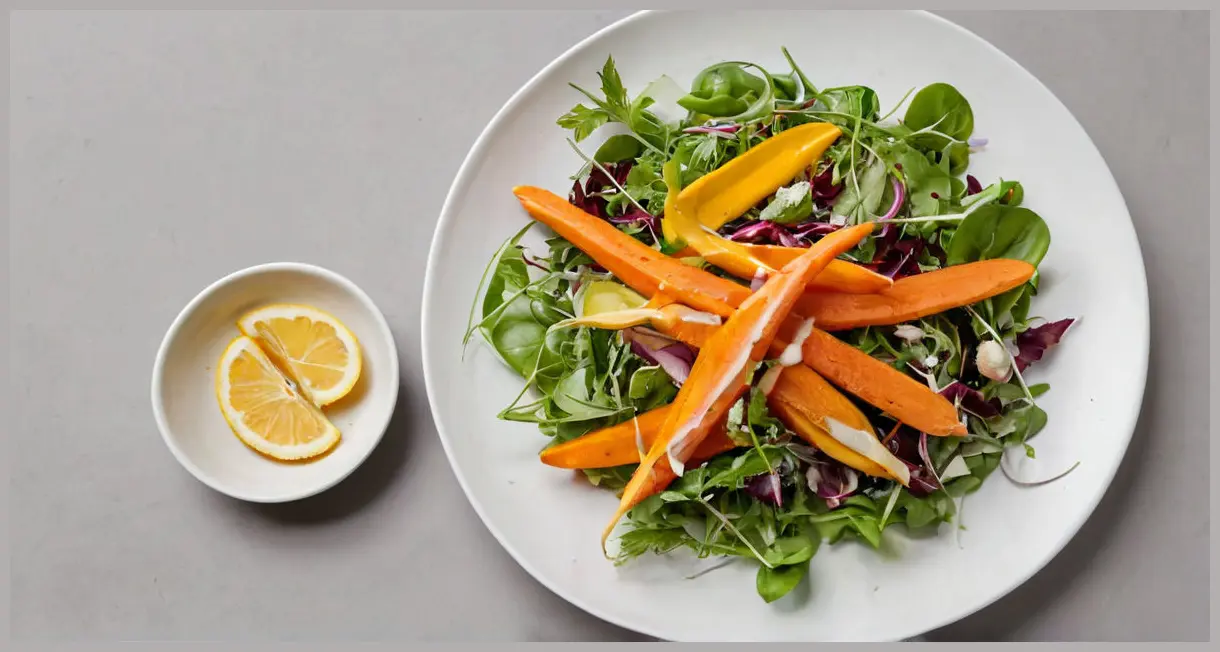
- Whisk the lemon juice, remaining oil and some salt and pepper. Arrange the carrots and some salad leaves on a large platter. Top with the pumpkin seeds, pomegranate seeds and herbs, then drizzle over the dressing and serve.
Detailed Guidance for Each Step
| Step | What to Do | Pro Tips |
|---|---|---|
| 1 – Prep the Dressing Base | Preheat your oven first; this saves time later. In a small bowl, combine the clear honey (or maple syrup), grated lemon zest, 1 tbsp of the extra‑virgin olive oil, and a pinch of salt and pepper. Whisk until smooth. | If you prefer a less sweet dressing, start with half the honey and add a dash of Dijon mustard for complexity. |
| 2 – Roast the Veggies | Cut the carrots lengthwise (this increases surface area for caramelization). Toss them with the sliced red onion, the honey‑lemon glaze, and the remaining 4 tbsp olive oil. Spread everything in a single layer on the lined roasting tin – crowding leads to steaming rather than roasting. Roast 30‑40 min, turning once or twice to ensure even browning. | Use a spatula to gently lift the carrots when stirring; this prevents them from breaking. If the carrots brown too quickly, lower the oven to 170 °C and extend the roasting time. |
| 3 – Assemble & Dress | While the carrots finish, whisk together the lemon juice, the leftover 4 tbsp olive oil, and a pinch of salt and pepper to create a bright finishing dressing. On a large serving platter, arrange the warm roasted carrots and a handful of fresh salad leaves. Sprinkle toasted pumpkin seeds, ruby‑red pomegranate arils, and the chopped parsley, coriander, and mint. Finally, drizzle the lemon‑oil dressing over the top and serve immediately. | For a dramatic presentation, arrange the carrots in a fan shape and sprinkle the herbs in a zig‑zag pattern. Let the salad sit for 5 minutes before serving to allow the flavors to meld. |
Serving Suggestions & Variations
Classic Pairings
- Protein Boost: Add grilled halloumi cubes, pan‑seared chicken breast, or baked tofu for a heartier main.
- Grain Base: Serve the salad over quinoa, farro, or couscous to turn it into a complete meal.
- Bread Companion: Warm crusty sourdough or a soft pita on the side helps scoop up any extra dressing.
Seasonal Twists
| Season | Variation Idea | Why It Works |
|---|---|---|
| Spring | Toss in fresh peas and thinly sliced radishes. | Bright, sweet peas echo the carrot’s freshness, while radishes add a peppery snap. |
| Summer | Replace pomegranate seeds with juicy watermelon cubes and add a drizzle of balsamic reduction. | The sweet‑sour combo mirrors the original dressing, and watermelon adds hydrating crunch. |
| Fall | Incorporate roasted butternut squash cubes and swap mint for sage. | Earthy squash deepens the autumnal vibe; sage’s woody aroma complements roasted carrots. |
| Winter | Add roasted Brussels sprouts and a spoonful of toasted hazelnuts. | The robust Brussels sprouts and nutty hazelnuts create a comforting, warming dish. |
Dietary Adjustments
- Vegan: Use maple syrup instead of honey; the recipe is already vegan‑friendly otherwise.
- Gluten‑Free: All ingredients are naturally gluten‑free; just ensure any packaged spices are certified.
- Low‑Sugar: Reduce honey/maple syrup to ½ tbsp and increase lemon juice for brightness.
Presentation Tips
- Platter Style: For a party, arrange the carrots in concentric circles with herbs sprinkled like confetti.
- Individual Servings: Portion the salad into shallow bowls, top each with a small dollop of Greek yogurt (or coconut yogurt) for added creaminess.
- Leftover Love: Store leftovers in an airtight container; the salad stays fresh for up to 3 days. Re‑heat gently in a skillet if you prefer it warm.
Conclusion
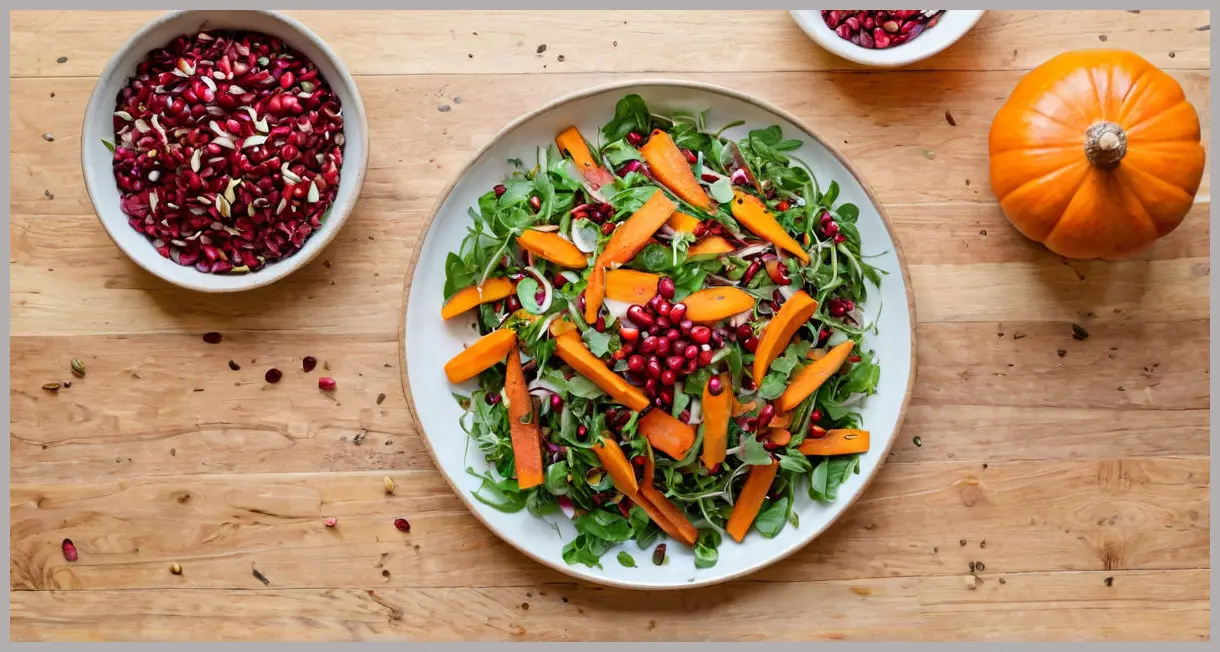
The Roasted Rainbow Carrot Salad proves that a dish can be both simple and spectacular. With just a handful of pantry staples and a short hands‑on time, you transform raw carrots into a caramelized, lemon‑kissed masterpiece that dazzles with color, texture, and flavor.
Whether you’re cooking for a family dinner, a casual brunch, or a festive gathering, this salad adapts effortlessly. Its core components—sweet glaze, bright citrus, crunchy seeds, and fresh herbs—create a balanced palate that even the pickiest eaters will appreciate.
Remember, the key to success lies in three things:
- Even Roasting – Spread the carrots and onion in a single layer and turn them during cooking.
- Balanced Dressing – The honey‑lemon glaze and the final lemon‑oil drizzle work together to layer sweet and tangy notes.
- Fresh Finishes – Toasted pumpkin seeds, juicy pomegranate arils, and vibrant herbs provide the final burst of texture and aroma.
Now it’s your turn. Gather the ingredients, preheat the oven, and let the Roasted Rainbow Carrot Salad brighten your table. Happy cooking, and may your kitchen always be filled with color, flavor, and the joy of creating something delicious from scratch!


Leave a Reply