
Potato, Pineapple and Cashew Curry
An Easy, Vibrant Vegan Curry That Feels Like a Celebration in a Bowl
Introduction
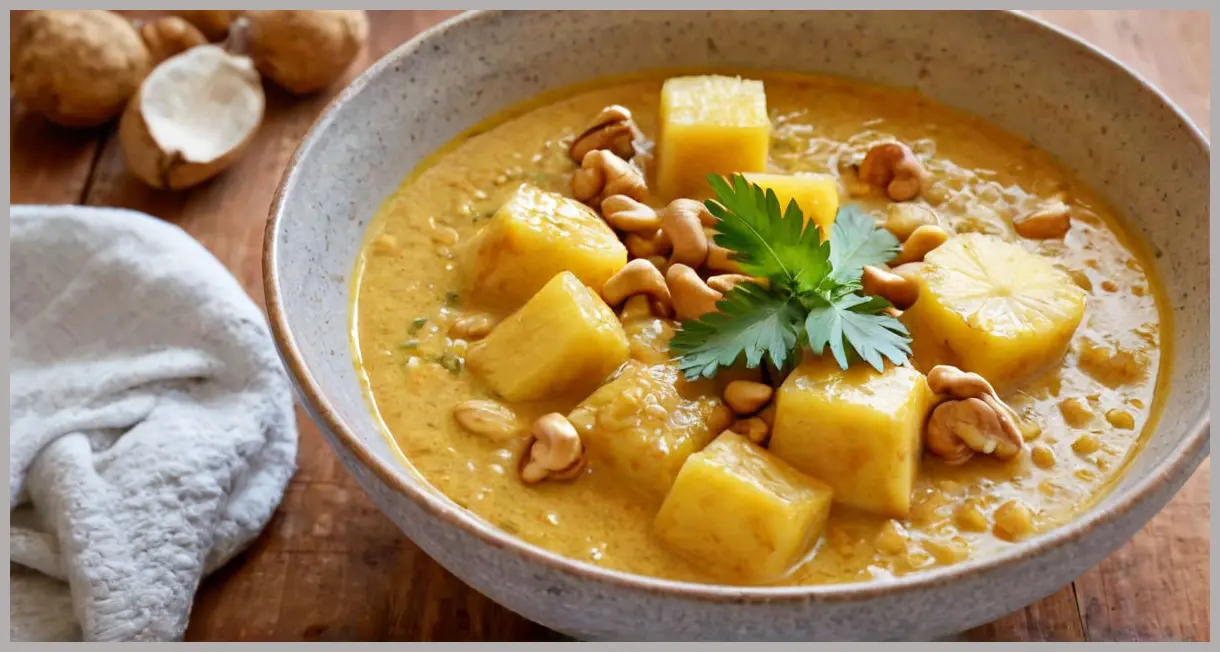
If you’ve ever wished for a dish that can simultaneously surprise your palate with sweet, sour, and aromatic notes while staying completely plant‑based, Potato, Pineapple and Cashew Curry is the answer. This recipe is a perfect gateway for beginner‑to‑intermediate cooks who want to dip their toes into the world of Southeast Asian‑inspired flavors without being overwhelmed by complicated techniques or hard‑to‑find ingredients.
The magic of this curry lies in its balance: creamy coconut milk meets the earthy comfort of new potatoes, crunchy cashews add a satisfying bite, and juicy pineapple chunks inject a burst of tropical sunshine. All of this is wrapped in a fragrant broth seasoned with ginger, garlic, lemongrass, and a whisper of warm spices. The result is a bowl that feels both indulgent and wholesome—ideal for a weeknight dinner, a weekend family gathering, or a cozy solo meal.
In this post, you’ll discover everything you need to know to master the Potato, Pineapple and Cashew Curry: from a quick overview of the dish’s profile, through a deep dive into each ingredient’s role, to a step‑by‑step guide that walks you through the cooking process. We’ll also share serving ideas, creative variations, and tips for troubleshooting common pitfalls. By the end, you’ll feel confident enough to serve this curry with pride, and maybe even experiment with your own twists.

Meal Profile
| Aspect | Details |
|---|---|
| Title | Potato, Pineapple and Cashew Curry |
| Difficulty | Easy – perfect for cooks at a beginner‑to‑intermediate level |
| Portion | Serves 4 |
| Time | Hands‑on: 10 min • Simmering: 35 min (total ≈ 45 min) |
| Description | This vegan coconut curry is packed with filling potato and cashews. It’s sweet, sour and fragrant all at once. Serve as is, or with plain rice or flatbreads. |
| Cuisine Influence | Inspired by South‑East Asian (Thai‑Malaysian) flavor palettes, with a touch of Indian spice warmth. |
| Dietary Notes | 100 % plant‑based, gluten‑free (if served with rice), nut‑rich (cashews, peanuts). |
The Potato, Pineapple and Cashew Curry is designed to be approachable: the longest active step is a quick 10‑minute sauté, after which the curry simmers gently while the flavors meld. The dish requires only a single pot, which means cleanup is minimal—a bonus for busy evenings. Because the recipe uses a standard set of pantry staples (oil, tomato purée, dried spices) alongside a few fresh aromatics, you won’t need to make a special grocery run unless you’re restocking your pantry.
Ingredient Highlight
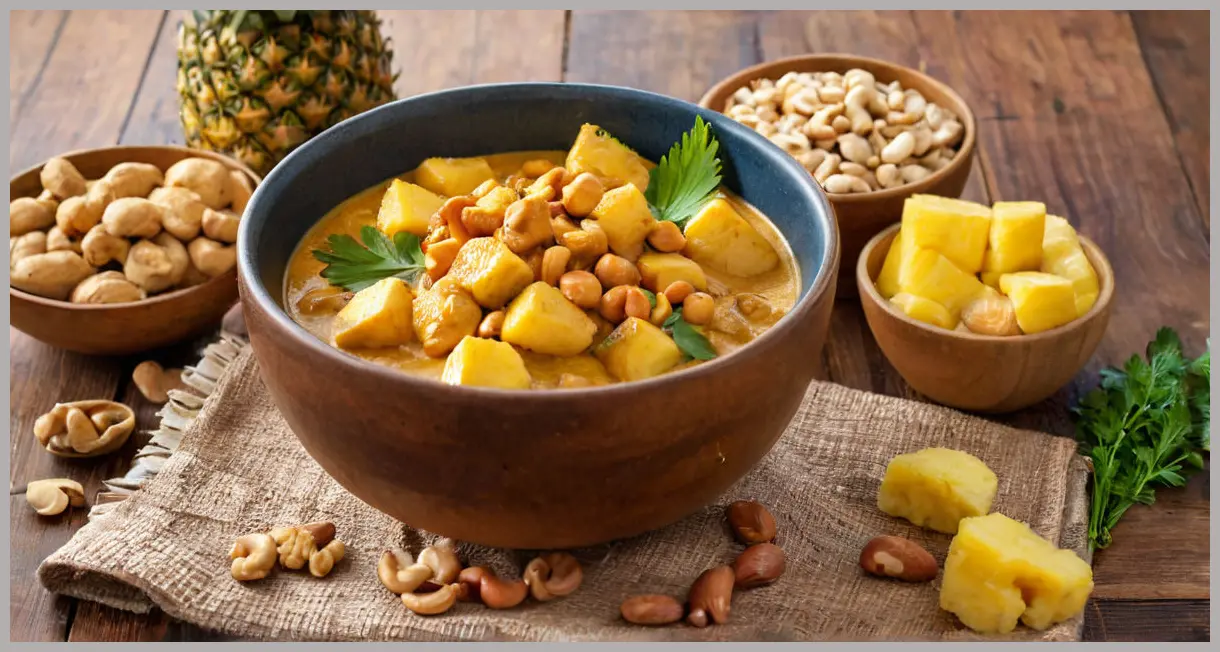
Below is the full ingredient list, followed by a deeper look at why each component matters and how it contributes to the overall flavor, texture, and visual appeal of the curry.
1 red onion, coarsely grated
1 tbsp tomato purée
1½ tbsp finely grated garlic
1½ tbsp finely grated ginger
1 tsp chilli powder (or more to taste)
½ tsp ground turmeric
½ tsp ground cumin
½ tsp ground coriander
Pinch ground cloves
2 tbsp sunflower oil
1 cinnamon stick
400 ml tin coconut milk (at least 55 % coconut extract)
500 ml vegetable stock
3 bay leaves
1 lemongrass stalk, halved and bashed
1 tbsp tamarind paste
2 tbsp smooth peanut butter
1 tsp soft light brown sugar
150 g cashews
400 g new potatoes, cut into 3 cm chunks
250 g fresh pineapple, cut into bite‑size chunks
3‑4 tbsp roughly chopped coriander (fresh)
Aromatics & Base
- Red onion (coarsely grated) – Provides a sweet, slightly pungent foundation. Grating it releases juices quickly, allowing the onion to integrate into the spice paste without needing long sauté time.
- Garlic & ginger (finely grated) – Classic duo that adds depth, heat, and a bright zing. Their fine texture ensures they dissolve into the sauce, preventing any raw bite.
- Tomato purée – Contributes a subtle acidity and a touch of umami, helping to balance the richness of coconut milk.
Spice Blend
- Chilli powder – Delivers the heat level you prefer; start with 1 tsp and adjust upward if you like it hotter.
- Turmeric, cumin, coriander, cloves – These warm, earthy spices create the backbone of the curry’s flavor profile. Turmeric also lends a golden hue, while cloves add an unexpected sweet‑spicy whisper.
- Cinnamon stick – Infuses the broth with a gentle, sweet warmth that pairs beautifully with the pineapple’s tropical notes.
Liquids & Thickening Agents
- Coconut milk (≥ 55 % coconut extract) – The star of the sauce, offering creaminess, subtle sweetness, and a characteristic coconut aroma. A higher coconut extract ensures the curry doesn’t become watery.
- Vegetable stock – Adds savory depth without overwhelming the delicate spice balance.
- Tamarind paste – Introduces a bright, tangy sourness that cuts through the richness, echoing the classic sweet‑sour profile of many Asian curries.
- Peanut butter (smooth) – Acts as a natural thickener while contributing nutty richness and a hint of savory depth.
Sweetener & Salt
- Light brown sugar – Enhances the natural sweetness of the pineapple and rounds out the tangy tamarind.
- Salt (2 tsp, added later) – Essential for seasoning; it lifts all the flavors and ensures the curry isn’t flat.
Texture Builders
- Cashews (150 g) – Provide a buttery crunch that contrasts with the soft potatoes and juicy pineapple. They also absorb some of the sauce, becoming wonderfully creamy.
- New potatoes (400 g, 3 cm chunks) – Offer a hearty, starchy bite that makes the curry filling. Their thin skins hold up well during simmering, preventing them from disintegrating.
- Pineapple (250 g, bite‑size chunks) – Delivers bursts of sweet‑tart juiciness, creating a playful interplay of flavors.
Fresh Finish
- Coriander (fresh, roughly chopped) – Sprinkled at the end for a bright, herbaceous lift and a pop of green color that makes the dish look restaurant‑ready.
Cooking Medium
- Sunflower oil (2 tbsp) – A neutral oil with a high smoke point, perfect for sautéing the spice paste without imparting its own flavor.
By understanding the purpose of each ingredient, you’ll gain confidence to tweak the recipe—perhaps swapping cashews for almonds, or using lime juice instead of tamarind if you’re out of the latter. The flexibility is part of what makes this curry approachable for cooks at any skill level.

Step‑by‑Step Instructions
Follow these numbered steps exactly as written. The method has been distilled from the original recipe JSON, preserving the intended sequence and timing.
- Create the aromatic paste and sauté
- In a medium bowl, mix together the onion, tomato purée, garlic, ginger and ground spices to create a coarse paste.
- Heat the oil in a deep saucepan over a medium heat. Once hot, add the paste and the cinnamon stick and cook, stirring regularly, for 3‑4 minutes until noticeable drier and just starting to catch on the bottom of the pan.
- Build the fragrant broth
- Add the coconut milk, vegetable stock, bay leaves, lemongrass, tamarind paste, peanut butter, sugar, cashews and 2 tsp salt.
- Bring to a simmer and cook, bubbling gently, for 10 minutes until the liquid has reduced and thickened slightly.
- Introduce the potatoes and finish
- Add the potatoes then bring back to a simmer and cook for 15‑20 minutes, or until the potatoes are tender.
- Stir in the pineapple, allow to come back to a simmer and cook for 2 more minutes.
- Serve sprinkled with coriander.
Serving Suggestions & Variations
Classic Pairings
- Steamed Jasmine or Basmati Rice – The fragrant grains soak up the luscious sauce, turning each bite into a comforting, balanced mouthful.
- Plain Naan or Roti – Warm flatbreads are perfect for scooping up the curry, especially when you want a gluten‑free option (use gluten‑free naan).
- Quinoa or Brown Rice – For a protein‑boosted, high‑fiber alternative, these whole‑grain bases keep the meal nutritious without compromising texture.
Creative Twists
| Variation | How to Implement | Flavor Impact |
|---|---|---|
| Add a protein punch | Toss in a cup of cooked chickpeas or firm tofu cubes during the 10‑minute simmer. | Increases satiety; chickpeas add a nutty earthiness, tofu soaks up the sauce. |
| Spice‑level upgrade | Increase chilli powder to 2 tsp, or add 1 tsp of freshly minced Thai bird’s eye chilies with the aromatics. | Gives the curry a more pronounced heat that pairs well with the pineapple’s sweetness. |
| Herb‑infused finish | Stir in a handful of Thai basil or mint leaves just before serving. | Introduces fresh, aromatic notes that brighten the dish. |
| Coconut‑free version | Replace coconut milk with oat cream (same volume) and add a splash of lime juice for acidity. | Reduces saturated fat while retaining creaminess; lime adds a citrus zing. |
| Nut‑free adaptation | Omit cashews and replace peanut butter with sunflower seed butter; add toasted pumpkin seeds for crunch. | Keeps the dish safe for nut‑allergic diners while preserving texture. |
| Smoky depth | Add a pinch of smoked paprika or a few drops of liquid smoke when you add the coconut milk. | Imparts a subtle smoky undertone that complements the cinnamon and cloves. |
Presentation Tips
- Color contrast: Serve the curry in a shallow, wide bowl to showcase the bright yellow sauce, orange pineapple chunks, and green coriander garnish.
- Garnish ideas: A drizzle of extra‑virgin coconut oil, toasted cashew halves, or a sprinkle of toasted sesame seeds adds visual interest and an extra layer of flavor.
- Side salad: A crisp cucumber‑lime salad (thinly sliced cucumber, lime juice, a pinch of salt, and fresh dill) offers a refreshing counterpoint to the rich curry.
Conclusion
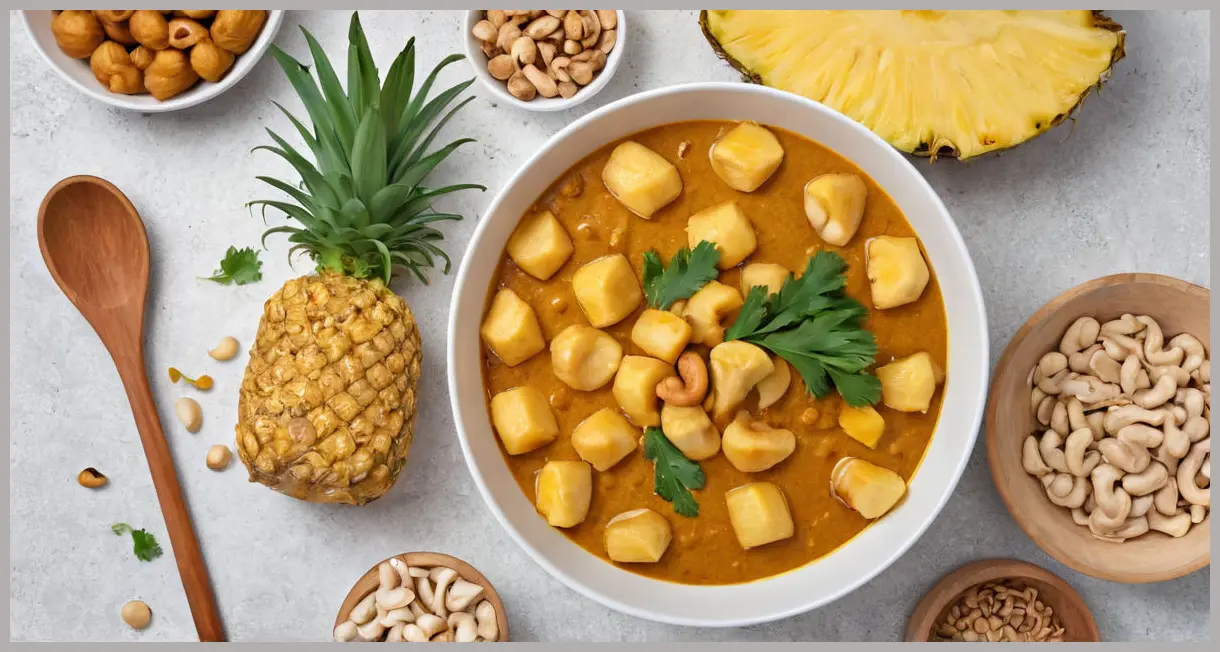
The Potato, Pineapple and Cashew Curry proves that a dish can be both uncomplicated and unforgettable. By mastering a handful of core techniques—grating aromatics, building a spice paste, and gently simmering to meld flavors—you’ll create a vibrant, vegan-friendly meal that satisfies the senses and the stomach.
Because the recipe leans on pantry staples and a concise list of fresh ingredients, it’s ideal for anyone looking to expand their cooking repertoire without feeling intimidated. Whether you serve it over fluffy rice, with a warm flatbread, or on its own as a hearty stew, the sweet‑sour balance, creamy coconut base, and contrasting textures will keep diners coming back for seconds.
Don’t be afraid to experiment: adjust the heat, swap proteins, or play with herbs to make the curry truly your own. Cooking is a dialogue between you and the ingredients—listen, taste, and enjoy the process.
Now that you have the full picture—from the story behind the dish, through each ingredient’s purpose, to a clear, numbered method—grab your skillet, gather the ingredients, and let the Potato, Pineapple and Cashew Curry transform your dinner table into a celebration of flavor. Happy cooking!


Leave a Reply