
Pickled Peaches: An Easy, Flavor‑Packed Pickling Adventure
Difficulty: Easy
Portion: Makes 1.5 kg (about 10 servings)
Hands‑on time: 20 minutes
Introduction
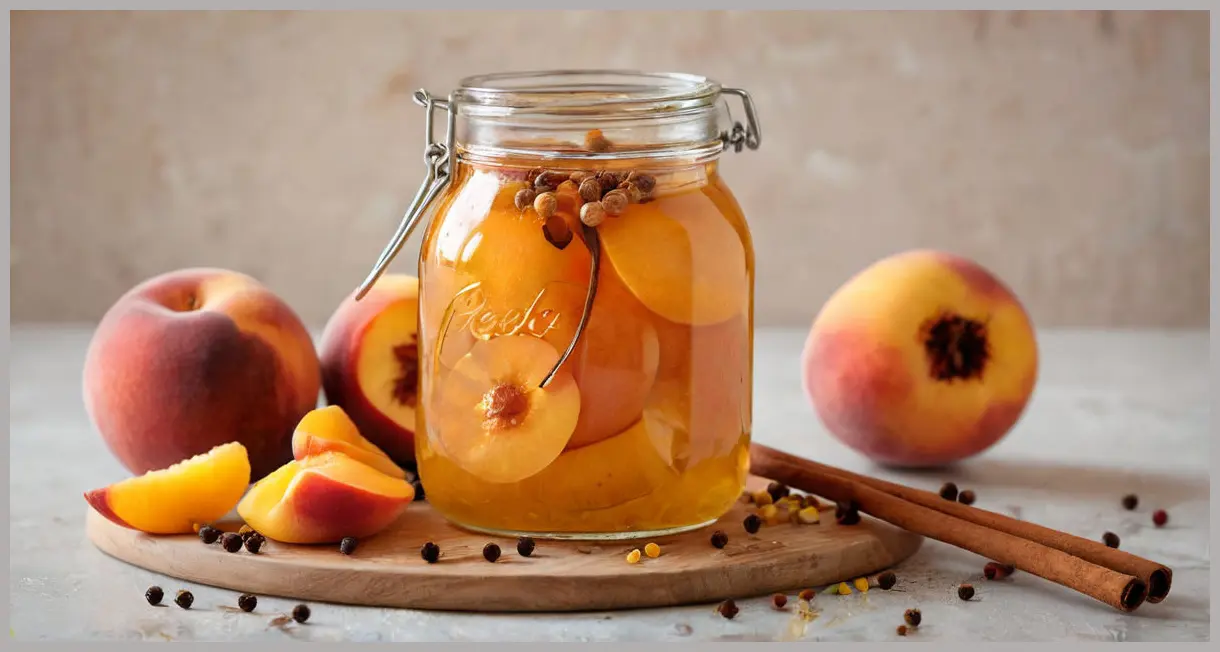
If you’ve ever wondered how to turn fresh, juicy fruit into a tangy, shelf‑stable delight, pickled peaches are the perfect starting point. This beginner‑friendly recipe, originally crafted by the talented Debora Robertson, shows that pickling isn’t reserved for cucumbers or onions alone. With just a few pantry staples, a sterilised jar, and a little patience, you can create a bright, sweet‑and‑sour condiment that pairs beautifully with cheese, charcuterie, salads, or even a simple slice of crusty bread.
In this post we’ll walk you through every detail of the recipe— from the science behind the pickling brine to the exact steps that guarantee perfectly softened peaches every time. Whether you’re a novice home cook looking to expand your repertoire or an intermediate foodie eager for a new pantry project, you’ll find clear guidance, handy tips, and creative serving ideas. Let’s dive into the world of Pickled Peaches and discover why this easy‑to‑make treat belongs in every kitchen.
Meal Profile
| Attribute | Details |
|---|---|
| Title | Pickled Peaches |
| Difficulty | Easy |
| Portion | Makes 1.5 kg (about 10 servings) |
| Hands‑on Time | 20 minutes |
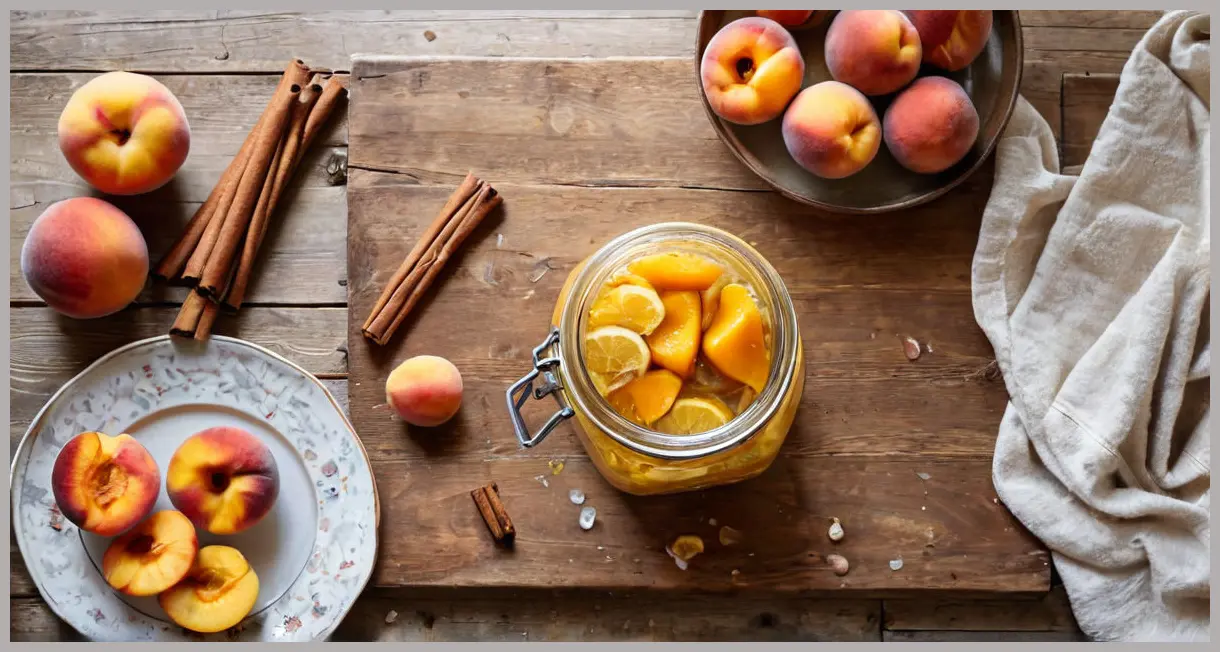
| Description | New to pickling? Grab a sterilised jar and have a go at Debora Robertson’s easy recipe for pickled peaches. They’ll go with everything…especially cheese. |
| Key Flavours | Bright citrus, warm spice, subtle heat, sweet‑tart balance |
| Shelf Life | Best after 6 weeks; keep chilled after opening |
Pickled peaches sit at the intersection of sweet fruit and savory brine. The white‑wine vinegar provides a clean acidity, while the generous amount of granulated sugar creates a syrupy mouthfeel that lets the natural peach flavor shine. Aromatics such as lemon zest, ginger, cinnamon, and mustard seeds introduce layers of complexity, and the peppercorns add a gentle bite that keeps the palate intrigued. The result is a versatile accompaniment that can elevate a cheese board, brighten a summer salad, or serve as a surprising topping for grilled pork or chicken.
Ingredient Highlight
Below is the complete ingredient list, presented in a format that makes shopping and prep a breeze. Every component plays a specific role in the final product, so we’ll also explain why each is important.
- 1.2 kg just‑ripe but still firm peaches (about 10 medium‑sized fruits) – firm peaches hold up during the brief blanching and simmering steps, ensuring they stay intact while absorbing the brine.
- Thinly pared zest and juice from an unwaxed lemon – using a sharp peeler, remove only the bright yellow zest (avoid the bitter white pith). The zest adds citrus aromatics, while the juice contributes a subtle tartness that balances the sugar.
- 1 Litre white wine vinegar – the backbone of the pickling liquid; its mild acidity preserves the fruit without overwhelming the delicate peach flavor.
- 550 g granulated sugar – creates a syrupy medium, softening the sharpness of the vinegar and helping the fruit achieve a glossy finish.
- 6 pink or black peppercorns – impart a gentle, warming spice that rounds out the sweetness.
- 3 thinnish peeled ginger slices – fresh ginger adds a faint zing and a hint of earthiness, complementing the fruit’s natural sweetness.
- 4 cloves – classic pickling spice that lends a warm, aromatic depth.
- 1 cinnamon stick – brings a comforting, sweet‑spicy note that pairs beautifully with stone fruit.
- ½ tsp yellow mustard seeds – tiny bursts of tang that enhance the overall complexity of the brine.
- Large Kilner‑type jar, about 1.5 L – a sterilised, airtight container is essential for safe preservation and for the brine to fully surround the peaches.
Pro tip: If you can’t find a Kilner jar, any sterilised, wide‑mouth glass jar with a tight‑fitting lid will work just as well.
Step‑by‑Step Instructions
The method is broken down into four clear steps. Follow them in order, and you’ll have a jar of vibrant Pickled Peaches ready to enjoy in just a few hours (though they taste best after a few weeks).
- Prepare the jar and blanch the peaches
- Scrub your jar in soapy water, rinse well, and place it in a low oven to keep it warm.
- Using a sharp knife, cut a small cross in the skin at the base of each peach.
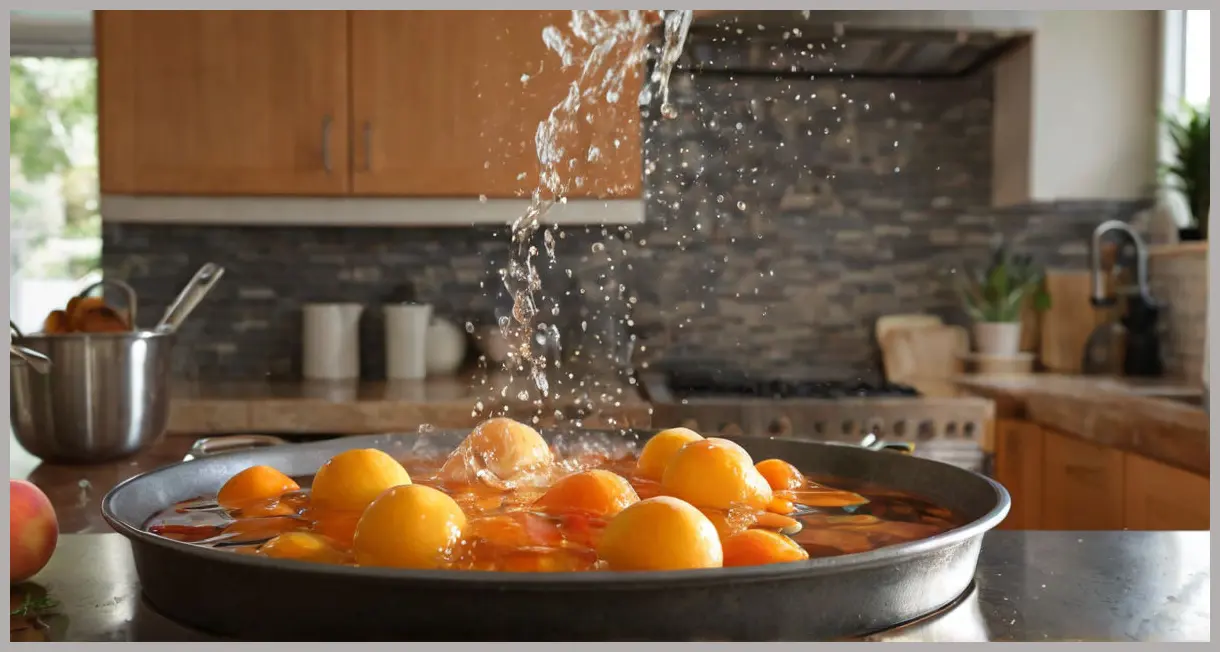
- Working in small batches, plunge the peaches into boiling water for 10 seconds.
- Immediately transfer them to a bowl of iced water. The skins should now slip off easily.
- Halve the peaches, discard the pits, and toss the flesh in the lemon juice (zest and juice combined). This prevents browning and adds a bright citrus note.
- Make the pickling liquid
- In a large stainless steel or enamel saucepan (avoid aluminium, as it reacts poorly with vinegar), combine the white‑wine vinegar, granulated sugar, peppercorns, ginger slices, cloves, cinnamon stick, and mustard seeds.
- Heat over low flame, stirring until the sugar fully dissolves.
- Raise the heat and bring the mixture to a rolling boil; let it boil for 5 minutes to allow the spices to release their flavors.
- Reduce the heat, add the prepared peach halves, and simmer for 5–10 minutes. The fruit should be just soft when pierced with a sharp knife—still firm enough to hold its shape.
- Jar the peaches and finish the brine
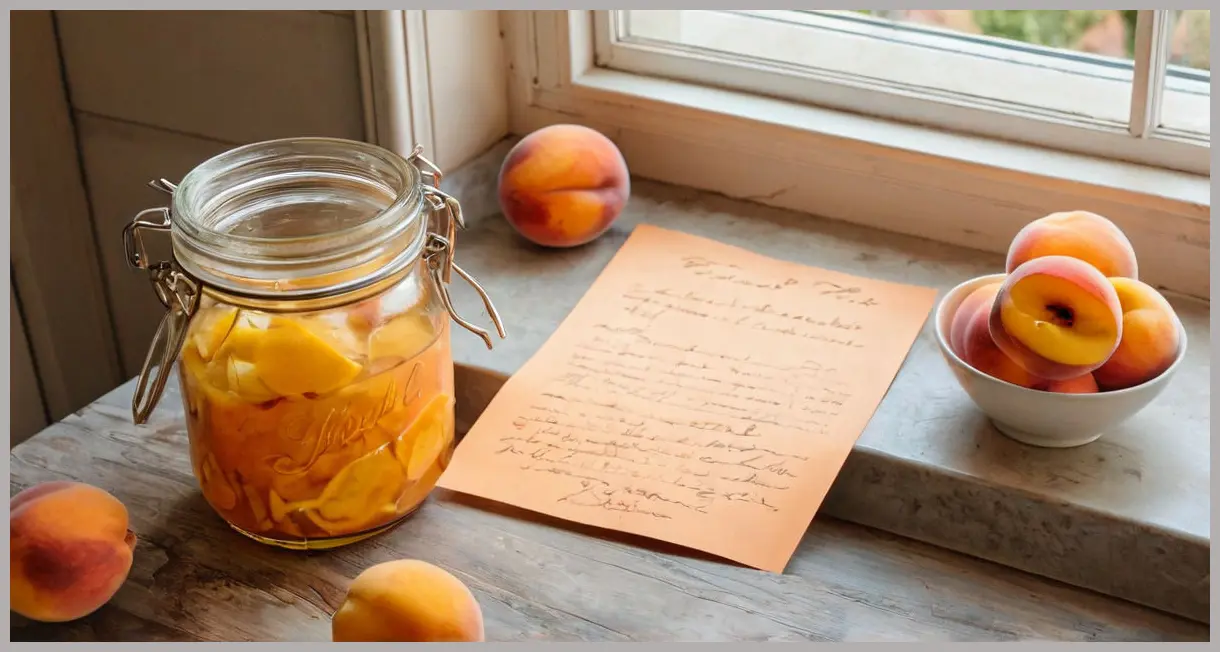
- Using a slotted spoon, gently lower the softened peaches into the warm, sterilised jar, arranging them in a single layer if possible.
- Continue simmering the pickling liquid until it becomes slightly syrupy (about 2–3 minutes).
- Pour (or strain) the hot brine over the peaches, ensuring they are completely covered. Leaving the spices in the jar adds visual interest and extra flavor, but you may also strain them out for a cleaner appearance.
- Seal the jar tightly.
- Allow the flavors to develop
- Let the jar cool to room temperature, then store it in the refrigerator.
- The pickles are edible after a few hours, taste very good after 2 days, and reach peak flavor after about 6 weeks.
- Once opened, keep the jar chilled and consume within a reasonable timeframe.
Serving Suggestions & Variations
Classic Pairings
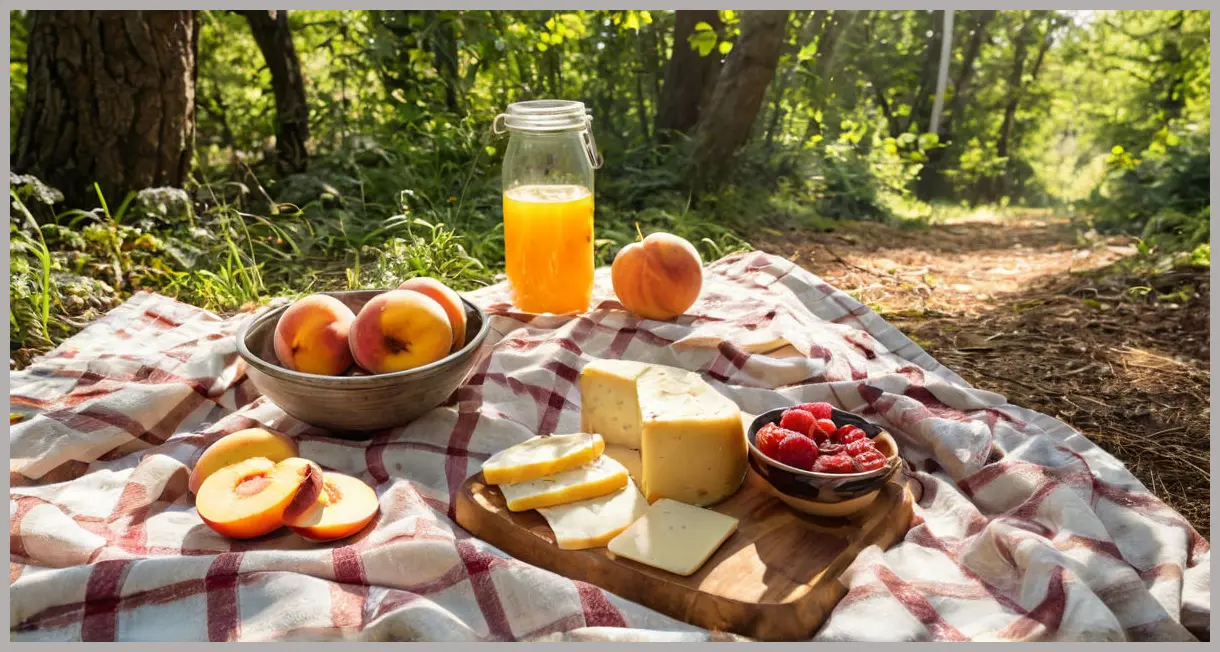
- Cheese Boards: Arrange the pickled peaches alongside creamy brie, sharp cheddar, or tangy goat cheese. The sweet‑tart contrast makes every bite memorable.
- Charcuterie: Pair with prosciutto, salami, or smoked turkey. The acidity cuts through the richness of cured meats.
- Bread & Butter: Spread a thin layer of butter on toasted sourdough, then top with a few pickled peach slices for a simple, elegant snack.
Creative Uses
- Salads: Toss the peaches (with a bit of brine) into mixed greens, toasted nuts, and a drizzle of honey‑mustard dressing for a summer‑ready salad.
- Grilled Meats: Spoon the pickles over grilled chicken, pork tenderloin, or lamb chops just before serving to add a bright, glossy finish.
- Cocktails: Use the brine as a cocktail rimmer or splash in a bourbon‑based drink for a fruity, aromatic twist.
Flavor Variations
| Variation | How to Adjust | Result |
|---|---|---|
| Spicy Kick | Add 1–2 sliced fresh chilies or a pinch of red pepper flakes to the brine. | A subtle heat that pairs well with richer cheeses. |
| Herbaceous | Include a few sprigs of fresh thyme or rosemary in the jar before sealing. | Earthy notes that complement roasted vegetables. |
| Sweeter | Increase sugar to 600 g and add a drizzle of honey to the brine. | A richer, dessert‑like profile perfect for serving with vanilla ice cream. |
| Citrus Boost | Replace half of the lemon zest with orange zest. | Bright, aromatic citrus layers that enhance the fruit’s natural flavor. |
Feel free to experiment—pickling is forgiving, and small tweaks can lead to a personalized signature condiment.
Conclusion
Pickling may sound intimidating, but the Pickled Peaches recipe proves that a delicious, shelf‑stable treat can be created with minimal effort and a handful of everyday ingredients. By following the four straightforward steps—preparing the jar, blanching the fruit, crafting a balanced brine, and allowing the flavors to meld—you’ll end up with a glossy, aromatic jar that adds excitement to any meal.
Remember, the key to success lies in using firm, just‑ripe peaches, keeping the jar sterilised, and giving the pickles time to develop their full flavor. Once you’ve mastered this easy technique, you’ll be ready to explore other fruit‑based pickles, from tangy pickled cherries to savory pickled figs.
So grab a large Kilner jar, fire up the stove, and let the sweet scent of simmering vinegar, ginger, and cinnamon fill your kitchen. In a few short weeks, you’ll have a versatile, crowd‑pleasing condiment that pairs beautifully with cheese, charcuterie, salads, and more. Happy pickling!


Leave a Reply