
Membrillo (Quince Paste): A Sweet Spanish Classic Made Easy
If you’re looking for a recipe that feels both indulgent and approachable, Membrillo (Quince Paste) is the perfect choice. This traditional Spanish treat—often paired with Manchego cheese or spread on toast—transforms humble quinces into a silky, caramel‑sweet delicacy. With a clear, step‑by‑step guide, a modest ingredient list, and plenty of serving ideas, you can craft your own batch in under two hours and have it set for a week of snacking and entertaining.
Quick Snapshot
- Difficulty: Easy
- Portion: Makes about 64 squares (2.5 cm × 2.5 cm)
- Hands‑on Time: 50‑60 min (plus cooling and overnight setting)
- Total Time: 1 day (including set‑up)
- Description: Learn how to make membrillo, the Spanish quince paste. It’s traditionally served with Manchego cheese, but also delightful spread on toast.
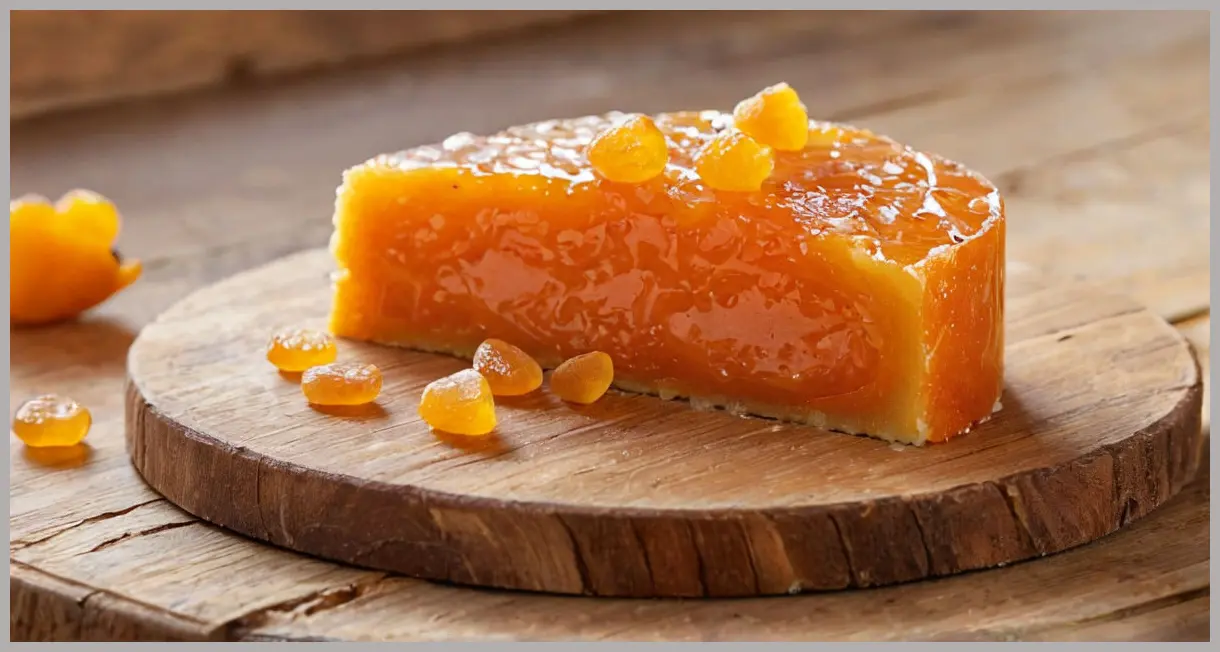
Introduction: Why Membrillo Deserves a Spot on Your Shelf
Quince paste is more than a confection; it’s a cultural icon in Spain, especially in the Castilla‑La Mancha region where the fruit thrives. The word membrillo comes from the Latin membra, meaning “fruit,” and the paste itself has a long history of being used as a sweetener for pastries, a filling for tarts, and a simple yet elegant accompaniment to cheese.
What makes membrillo special is its texture—a firm yet melt‑in‑your‑mouth consistency that balances the natural tartness of quinces with the sweetness of sugar. For those new to cooking quince, the process might seem daunting, but the recipe below breaks it down into manageable steps. By the end of the day, you’ll have a jar of homemade membrillo ready to elevate cheese platters, breakfast toast, or even a dessert plate.
Meal Profile: The Essentials at a Glance
| Attribute | Details |
|---|---|
| Title | Membrillo (Quince Paste) |
| Difficulty | Easy |
| Portion | Makes about 64 squares (2.5 cm × 2.5 cm) |
| Hands‑on Time | 50‑60 min (plus cooling and overnight setting) |
| Total Time | 1 day (including set‑up) |
| Description | Learn how to make membrillo, the Spanish quince paste. It’s traditionally served with Manchego cheese, but also delightful spread on toast. |
This quick reference will help you stay on track while you dive into the full recipe.
Ingredient Highlight: What You’ll Need
| Ingredient | Quantity | Notes |
|---|---|---|
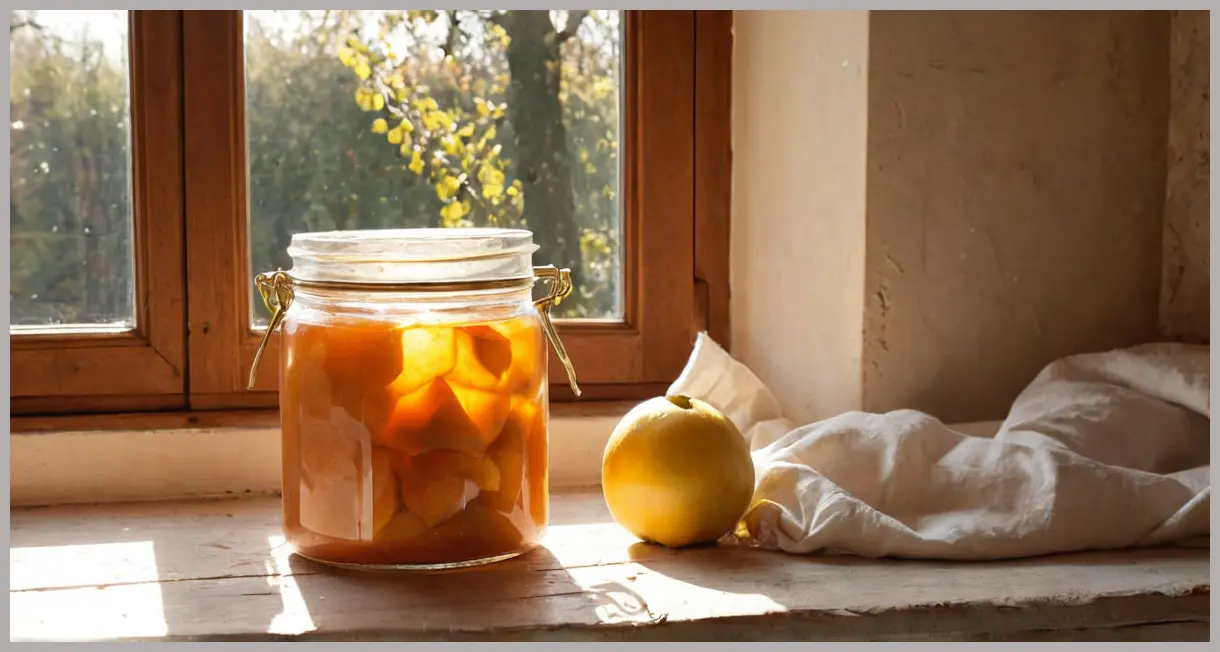
| Quinces | 1 kg (4‑5 medium) | Wash to remove fuzz, core, and quarter. |
| Lemon juice | 7 Tbsp | Adds brightness and helps preserve color. |
| Caster sugar | 800 g | Fine sugar dissolves quickly; use caster for best texture. |
| Fine sieve (muslin) | 2‑3 layers | For straining the quince puree. |
| Blender or food processor | 1 | Needed to create a smooth purée. |
| 20 cm × 20 cm tin | 1 | Lined with compostable baking paper. |
Tip: If you’re on a budget or prefer a greener kitchen, you can use a kitchen towel instead of muslin. Just make sure it’s clean and lint‑free.
Step‑by‑Step Instructions: From Quinces to Squares
Below is a numbered list of the method, extracted directly from the recipe data. Follow each step carefully, and you’ll end up with silky, firm quince paste ready for cutting and serving.
- Prepare the Quinces
- Place the quartered quinces, lemon juice, and 1 L of cold water into a large pan with a lid.
- Bring to a boil, then reduce to a simmer.
- Cover and cook for 45‑50 minutes until the quinces are very soft.
- Strain the Fruit
- Line a fine muslin sieve with 2‑3 layers and place it over a bowl.
- Pour the cooked quince mixture through the sieve, pressing gently to extract as much liquid as possible.
- Discard the fibrous residue; the liquid is your base.
- Purée the Quinces
- Transfer the strained quince liquid to a blender or food processor.
- Blend until you obtain a fine purée—no lumps should remain.
- Cook the Purée with Sugar
- Return the purée to a large pan and stir in the caster sugar.
- Cook over low‑medium heat, stirring regularly to prevent sticking.
- Allow it to reduce and thicken for 40‑50 minutes.
- The paste is ready when it doesn’t fall back on itself when stirred.
- Mold the Paste
- Pour the thickened quince paste into the prepared 20 cm × 20 cm tin.
- Smooth the surface with a spatula.
- Place a sheet of compostable baking paper over the top.
- Set and Cool
- Let the paste cool to room temperature, then refrigerate for at least 24 hours to set fully.
- Cut into Squares
- Once set, remove the paste from the tin.
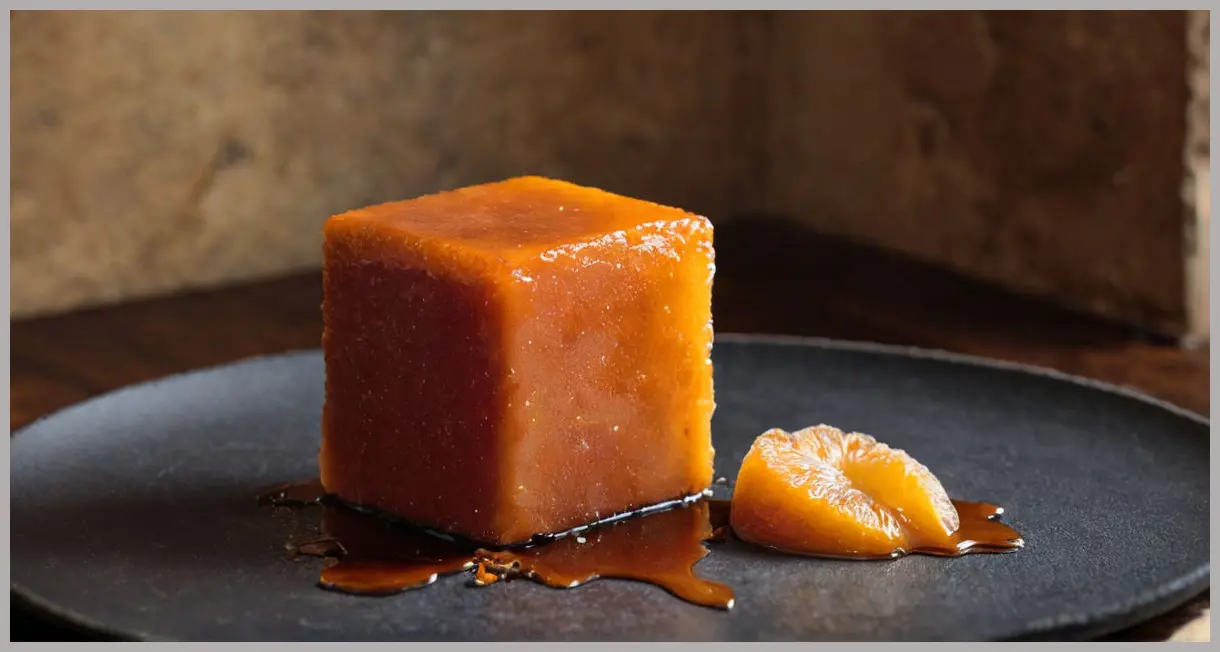
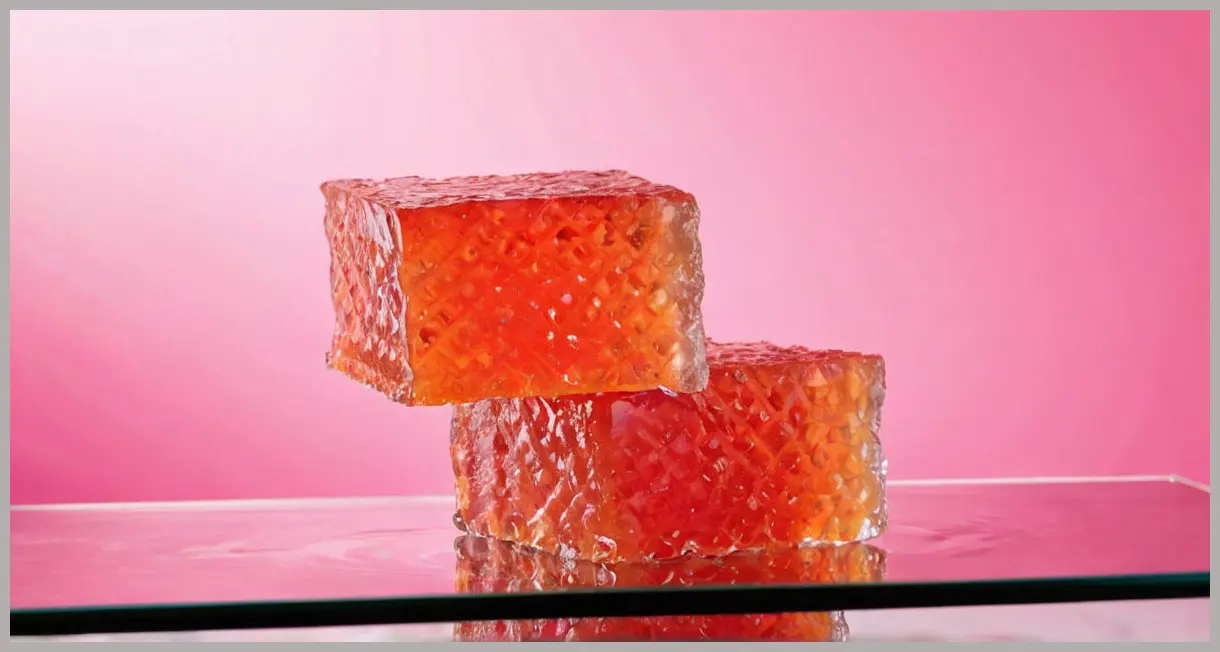
- Cut into 2.5 cm × 2.5 cm squares—about 64 pieces.
Enjoy your homemade membrillo on a cheese board, in a pastry, or as a sweet spread!
Serving Suggestions & Variations
Classic Pairings
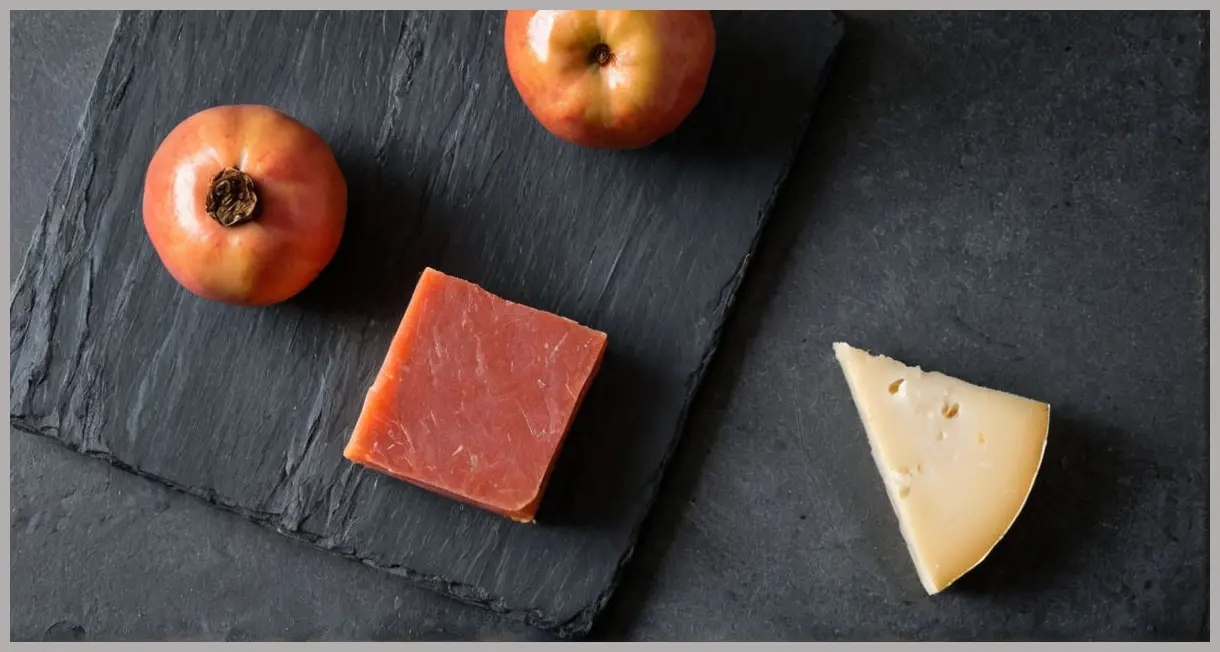
- Manchego Cheese: The buttery, nutty flavor of Manchego complements the sweet, slightly tart quince paste beautifully. Arrange alternating squares of cheese and membrillo on a wooden board for a simple yet elegant presentation.
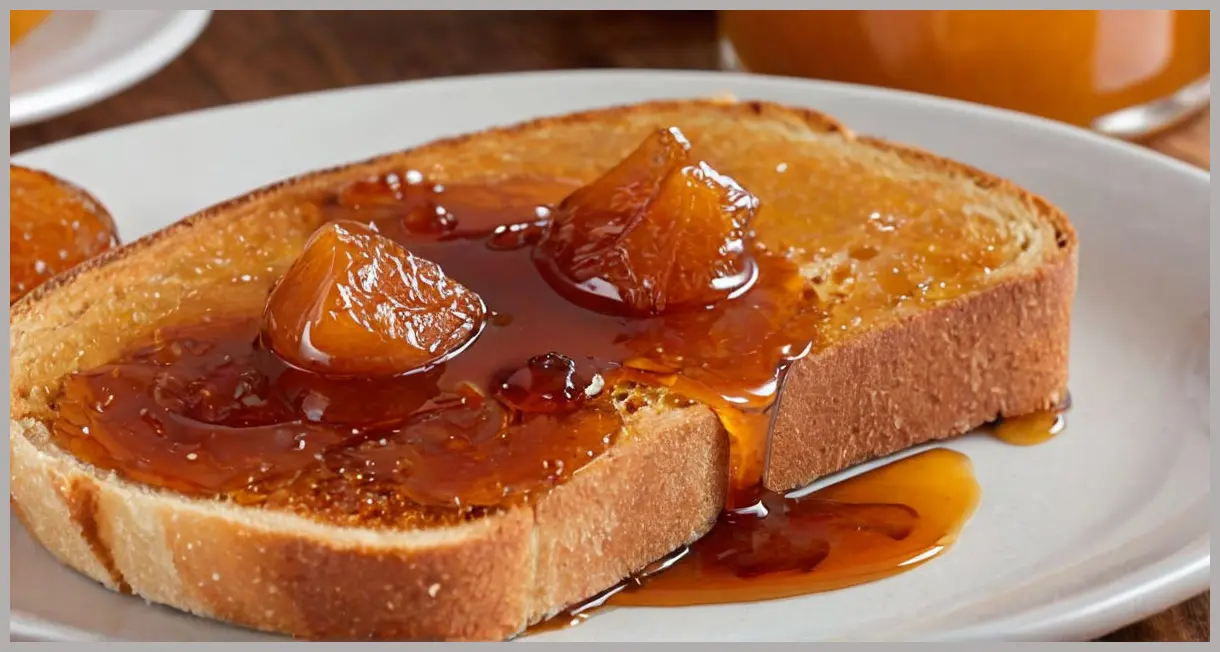
- Crusty Bread or Toast: Spread a generous amount of membrillo on warm, crusty bread or toast for a quick, indulgent snack. The paste melts slightly, creating a luscious glaze.
- Yogurt or Ricotta: Swirl a spoonful of membrillo into plain yogurt or ricotta for a sweet, creamy dessert. Top with a drizzle of honey and chopped nuts for extra texture.
Creative Twists
| Variation | How to Add It | Flavor Profile |
|---|---|---|
| Honey‑Infused | Add 2 Tbsp honey to the purée before cooking. | Adds depth and a floral sweetness. |
| Spiced | Stir in ½ tsp ground cinnamon or a pinch of nutmeg during the cooking stage. | Warm, aromatic undertones. |
| Lemon‑Zest | Grate the zest of one lemon into the mixture before cooking. | Bright, citrusy lift. |
| Almonds | Fold in 50 g of toasted almond slivers after the paste has cooled. | Crunchy, nutty contrast. |
| Chocolate | Melt 50 g dark chocolate and swirl into the paste once it has cooled slightly. | Rich, bittersweet addition. |
Feel free to experiment! Membrillo is a versatile base that can be adapted to suit any palate or occasion.
Tips & Tricks for the Best Membrillo
| Tip | Why It Works |
|---|---|
| Use fresh, firm quinces | Fresh fruit yields a brighter color and a smoother texture. |
| Add lemon juice early | The acid preserves color and balances the natural tartness. |
| Cook slowly | Low‑medium heat prevents scorching and ensures even thickening. |
| Stir constantly | Keeps the mixture from sticking to the pan and encourages even caramelization. |
| Check consistency early | The paste should be thick enough that it holds its shape when spooned, but still pliable. |
| Use a fine sieve | Removes any fibrous bits that could ruin the smoothness of the final product. |
| Cool before cutting | Cutting a warm paste can cause it to crumble. Let it set fully for the best results. |
FAQ: Quick Answers for Your Membrillo Journey
-
Can I use canned quince instead of fresh?
While fresh quinces give the best flavor, canned can be used in a pinch. Just be sure to rinse and drain them well before cooking. -
What if I don’t have caster sugar?
Granulated sugar works, but it may take longer to dissolve. Stir more frequently to avoid clumps. -
How long does membrillo keep?
Store in an airtight container at room temperature for up to 2 months, or refrigerate for longer shelf life. -
Can I freeze the paste?
Yes—freeze in an airtight container or freezer bags. Thaw at room temperature before serving.
Conclusion: From Kitchen to Table
Making Membrillo (Quince Paste) at home is a rewarding experience that blends tradition, flavor, and a touch of culinary artistry. With an easy-to-follow recipe, a modest ingredient list, and a range of serving options, you’ll have a versatile sweet treat ready to impress friends, family, and guests alike.
Whether you’re pairing it with Manchego for a sophisticated cheese board, spreading it on toast for a quick breakfast, or experimenting with variations like honey or spices, membrillo offers endless possibilities. The process may take a day, but the payoff—silky, caramel‑sweet squares that capture the essence of Spanish culinary heritage—is well worth the effort.
So gather your quinces, set your timer, and let the sweet symphony of caramelized fruit and sugar fill your kitchen. Happy cooking, and enjoy every bite of your homemade membrillo!


Leave a Reply