
Mango Chutney (Aam Ki Meethi Chutney)
A quick, fragrant, and irresistibly sweet and spicy mango chutney that elevates any meal.
Whether you’re a beginner or an intermediate cook, this recipe is an easy way to bring a touch of Indian flavor into your kitchen. With just a handful of ingredients and a few minutes of hands‑on time, you’ll have a jar of homemade mango chutney that tastes better than most store‑bought versions.

Introduction
Romy Gill’s family recipe for Mango Chutney (Aam Ki Meethi Chutney) is a testament to how simple ingredients can create a complex flavor profile. The combination of unripe mangoes, aromatic spices, and a touch of sweetness makes this chutney a versatile condiment that pairs wonderfully with Indian dishes, grilled meats, or even as a spread on toast.
If you’ve ever been tempted by the bright, tangy flavor of mango chutney but found the store‑bought options too sweet or too salty, this recipe is your answer. It’s quick, requires minimal prep, and delivers a homemade taste that feels like a little culinary indulgence.

Meal Profile
| Attribute | Details |
|---|---|
| Title | Mango Chutney (Aam Ki Meethi Chutney) |
| Difficulty | Easy |
| Portion | Makes about 600 g |
| Hands‑on Time | 15 min |
| Simmering Time | 25 min (including rest and cooling) |
| Total Time | ~40 min |
| Description | “Romy Gill believes making homemade pickles and chutneys is good for the soul. Try her family recipe for fragrant mango chutney, and serve with all kinds of Indian dishes.” |
The recipe is designed for a beginner‑to‑intermediate cooking enthusiast. The steps are straightforward, the ingredients are easy to find, and the final result is a jar of bright, tangy, and slightly sweet chutney that will become a staple in your pantry.
Ingredient Highlight
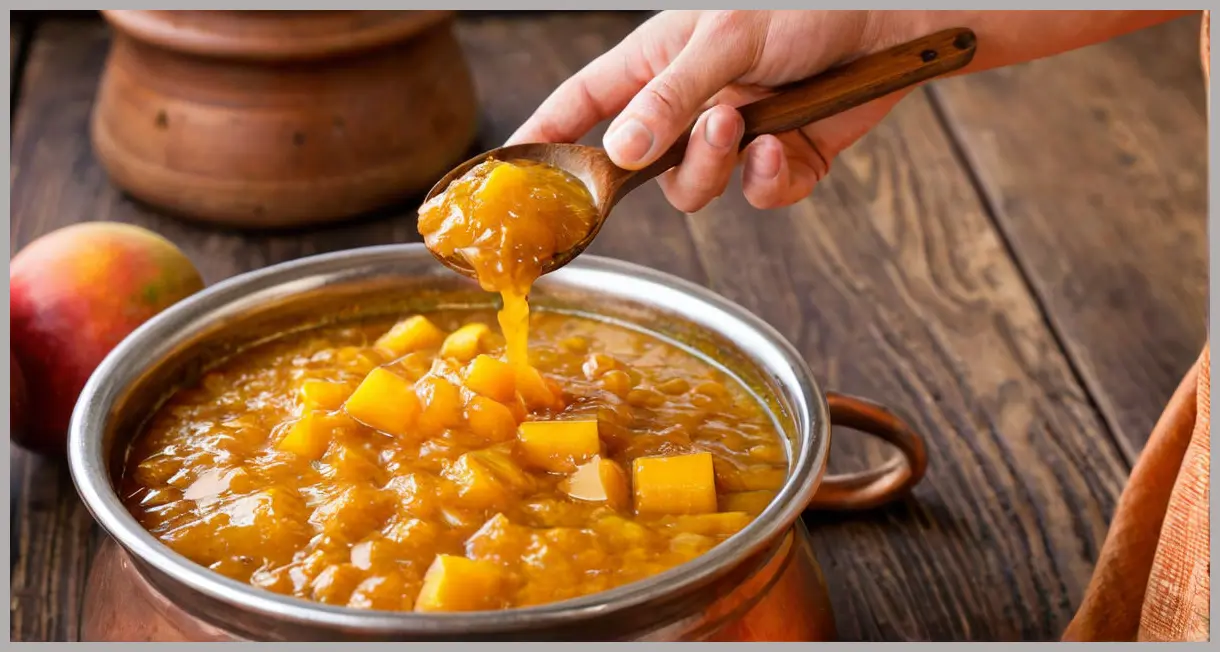
Below is a detailed breakdown of each ingredient, why it matters, and how it contributes to the final flavor profile.
| Ingredient | Quantity | Role in the Chutney |
|---|---|---|
| Unripe mangoes | 500 g (about 2) | The base; their tartness balances the sweetness and provides a juicy texture. |
| Fresh ginger | 20 g | Adds a peppery warmth and brightens the overall flavor. |
| Fennel seeds | 1 tsp | Imparts a subtle licorice note that complements the mango. |
| Nigella seeds | ½ tsp | Brings a slight peppery, onion‑like flavor and a hint of black‑pepper earthiness. |
| Chilli flakes | 1 tsp | Gives the chutney a gentle heat; adjust to taste. |
| Salt | ½ tsp | Enhances all the flavors and balances the sweetness. |
| Rapeseed oil | 1 tbsp | Helps to cook the spices and mangoes evenly, and prevents sticking. |
| Demerara sugar | 75 g | Adds sweetness and a caramel-like depth. |
| White wine vinegar | 50 ml | Provides acidity to brighten the chutney and keep it from becoming too sweet. |
| Glass jar(s) | 1 L (or smaller) | For sterilizing and storing the finished chutney. |
Why These Ingredients?
- Unripe mangoes are crucial because ripe mangoes are too soft and sweet for this style of chutney. The tartness of unripe mangoes creates a perfect contrast with the sugar and vinegar.
- Ginger and fennel seeds are traditional in Indian chutneys, offering a layered, aromatic base.
- Nigella seeds are often omitted in other recipes, but they add a subtle complexity that makes this chutney stand out.
- Chilli flakes allow the cook to control the heat level—feel free to increase or decrease the amount.
- Demerara sugar is chosen over white sugar because it brings a molasses‑like nuance that deepens the flavor.
- White wine vinegar provides a mild acidity that doesn’t overpower the mangoes but keeps the chutney bright.
Step‑by‑Step Instructions
Below is the method from the original recipe, transformed into a clear numbered list. Each step builds on the previous one, creating a harmonious blend of flavors.
-
Prep the Mangoes
In a large bowl, combine the diced mangoes with grated ginger, crushed fennel seeds, nigella seeds, chilli flakes, and salt. Mix gently and let the mixture rest for 15 minutes. This resting period allows the spices to infuse the mangoes, while the salt draws out moisture, creating a flavorful base. -
Cook the Mixture
Heat the rapeseed oil in a pan over medium heat. Add the mango mixture and sauté for a few minutes until the mangoes begin to soften and the spices release their aromas. Stir in the demerara sugar and white wine vinegar. Continue cooking for 10 minutes on low heat, stirring occasionally so the mangoes don’t stick to the pan. This step caramelizes the sugar slightly and melds the flavors. -
Mash and Simmer
After the initial 10‑minute cook, roughly mash the mixture with a spoon or potato masher. Cover the pan and let it simmer for another 10 minutes on low heat. The covering traps steam, ensuring the chutney thickens without drying out. Once done, remove the pan from heat. -
Jar the Chutney
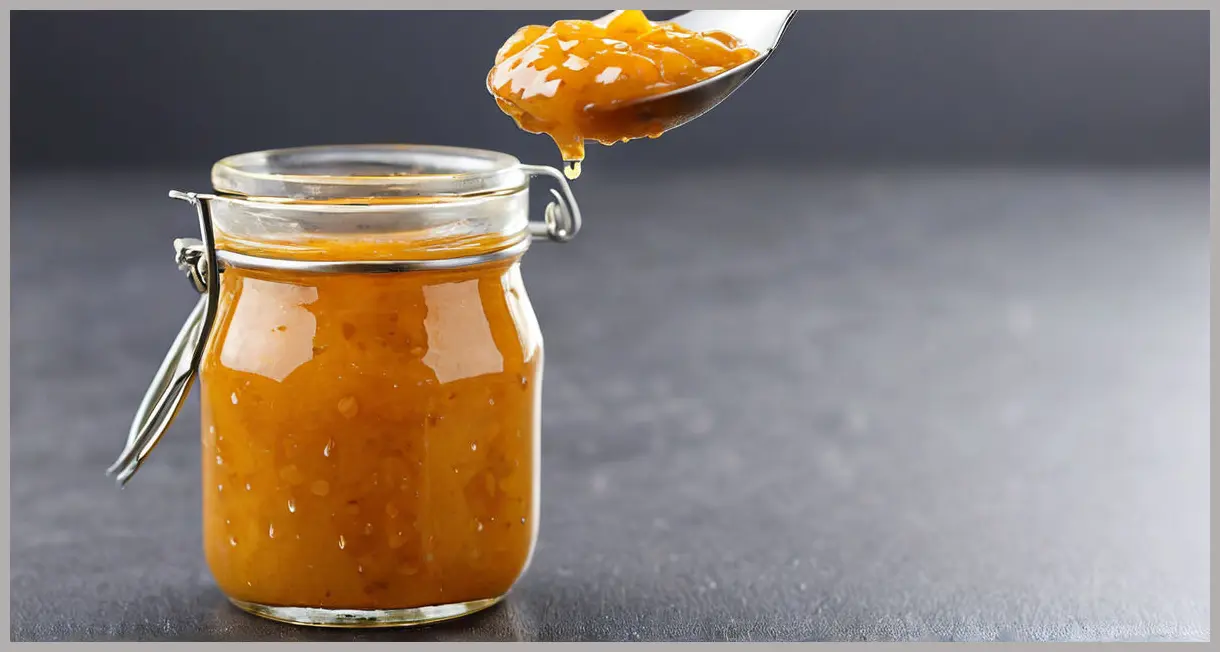
Pour the hot chutney into warm, sterilised airtight jar(s). Seal immediately to lock in freshness. Let it cool to room temperature before refrigerating. The chutney can be enjoyed right away or after a day or two when the flavors have fully developed.
Serving Suggestions & Variations
Classic Pairings
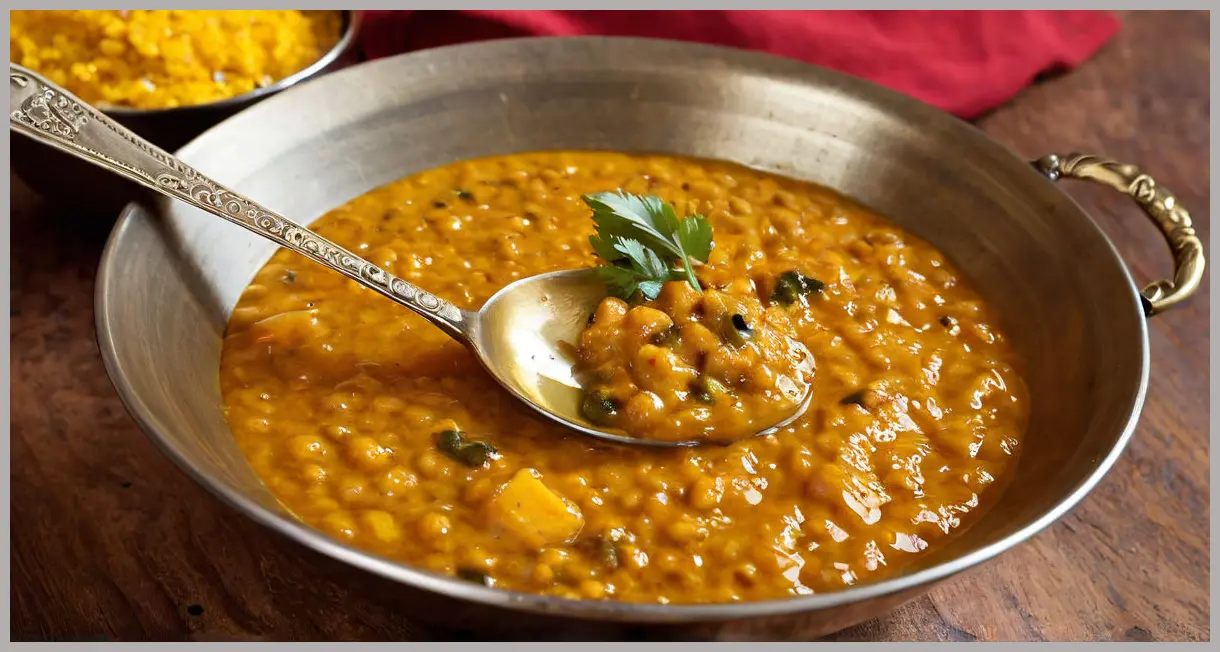
- Indian Dishes: Serve alongside butter chicken, paneer tikka, or a simple dal tadka. The chutney’s sweet‑spicy profile cuts through the richness of these dishes.
- Grilled Meats: Drizzle over grilled chicken, lamb chops, or pork ribs for a tropical twist.
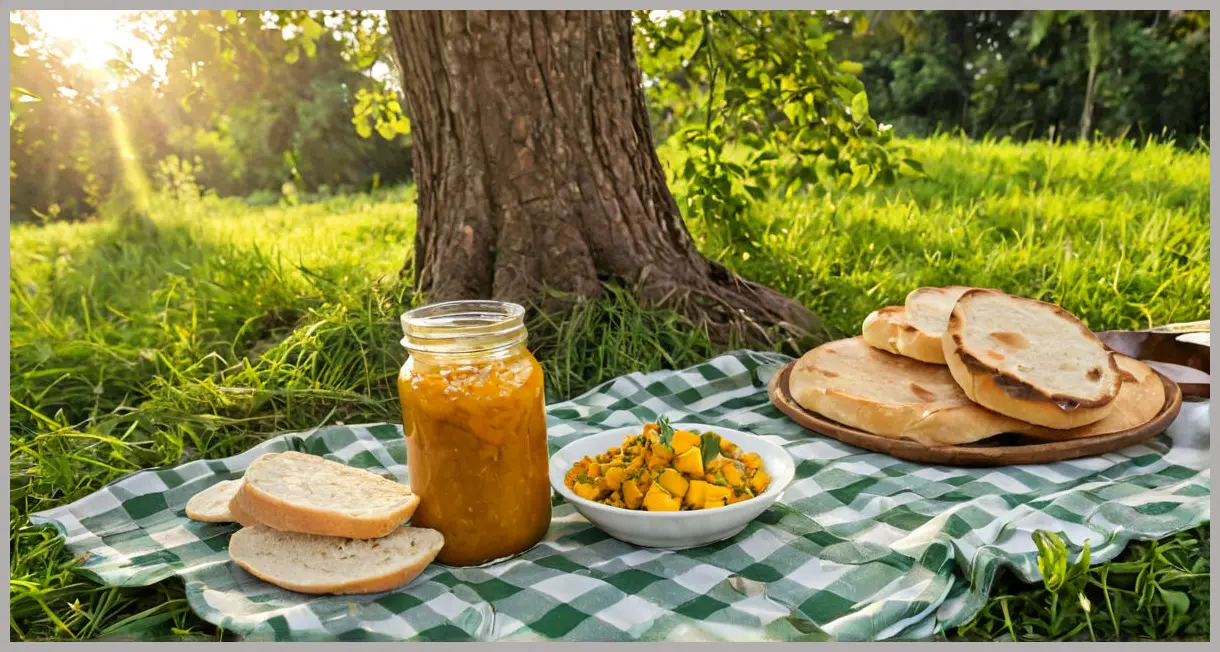
- Bread & Crackers: Spread on toasted bread, naan, or crackers as an appetizer or snack.
- Rice & Noodles: Mix into fried rice or tossed with noodles for an instant flavor boost.
Variations to Try
| Variation | What to Add/Change | Why It Works |
|---|---|---|
| Spice Level | Increase or reduce chilli flakes | Adjust heat to your preference. |
| Sweetness | Swap demerara sugar for honey or maple syrup | Different sweeteners alter the depth of flavor. |
| Acidity | Use apple cider vinegar instead of white wine vinegar | Adds fruitiness and a slightly milder acidity. |
| Texture | Add a handful of chopped mint or cilantro before serving | Fresh herbs brighten the chutney and add aroma. |
| Heat | Add a pinch of ground cumin or coriander | Enhances the overall spice profile. |
| Fruit Variation | Mix in diced pineapple or papaya | Creates a more tropical, sweet‑tangy chutney. |
Storage Tips
- Store in the refrigerator for up to 4 weeks.
- For longer storage, freeze in airtight containers for up to 3 months.
- Before using, give the chutney a quick stir; it may separate slightly after sitting.
Conclusion
Creating a jar of Mango Chutney (Aam Ki Meethi Chutney) is a rewarding culinary adventure that doesn’t require a lot of time or expertise. With just a handful of pantry staples and a few simple steps, you can transform unripe mangoes into a fragrant, sweet‑spicy condiment that brightens any meal.
Whether you’re looking to impress guests, add depth to a family dinner, or simply enjoy the comforting aroma of homemade chutney, this recipe delivers. The best part? The chutney’s flavors deepen over time, so it’s even more delicious after a day or two of resting in the fridge.
Give it a try, experiment with the variations, and let your taste buds explore the vibrant world of Indian condiments. Happy cooking!


Leave a Reply