
Griddled Za’atar Flatbreads – A Beginner‑Friendly Journey to Flavorful, Homemade Bread
If you’ve ever wanted to impress friends with a fragrant, airy flatbread but felt intimidated by the idea of “real” bread‑making, you’re in the right place. In this post we’ll walk you through every step of creating Griddled Za’atar Flatbreads, an easy‑to‑master recipe that delivers restaurant‑quality results with just a few pantry staples.

Introduction
There’s something magical about the smell of fresh flatbread hitting a hot pan. The crackle, the puff, the golden specks of spice—each bite feels like a tiny celebration. Yet, many home cooks shy away from flatbreads because they assume you need a professional‑grade oven, a fancy proofing box, or a mastery of fermentation.
Griddled Za’atar Flatbreads shatter those myths. This recipe is built for beginner‑to‑intermediate cooking enthusiasts who want a quick, hands‑on cooking experience without sacrificing taste. With a hands‑on time of 35‑40 minutes plus a short proving stage, you’ll have eight light, herb‑infused discs ready to pair with tagines, hummus, or a slow‑roasted lamb shoulder.
In the sections that follow, we’ll break down the meal’s profile, highlight each ingredient’s role, guide you through a clear, numbered method, and share serving ideas and creative variations. By the end, you’ll feel confident enough to add this versatile flatbread to your weekly rotation—and maybe even experiment with your own spice blends.
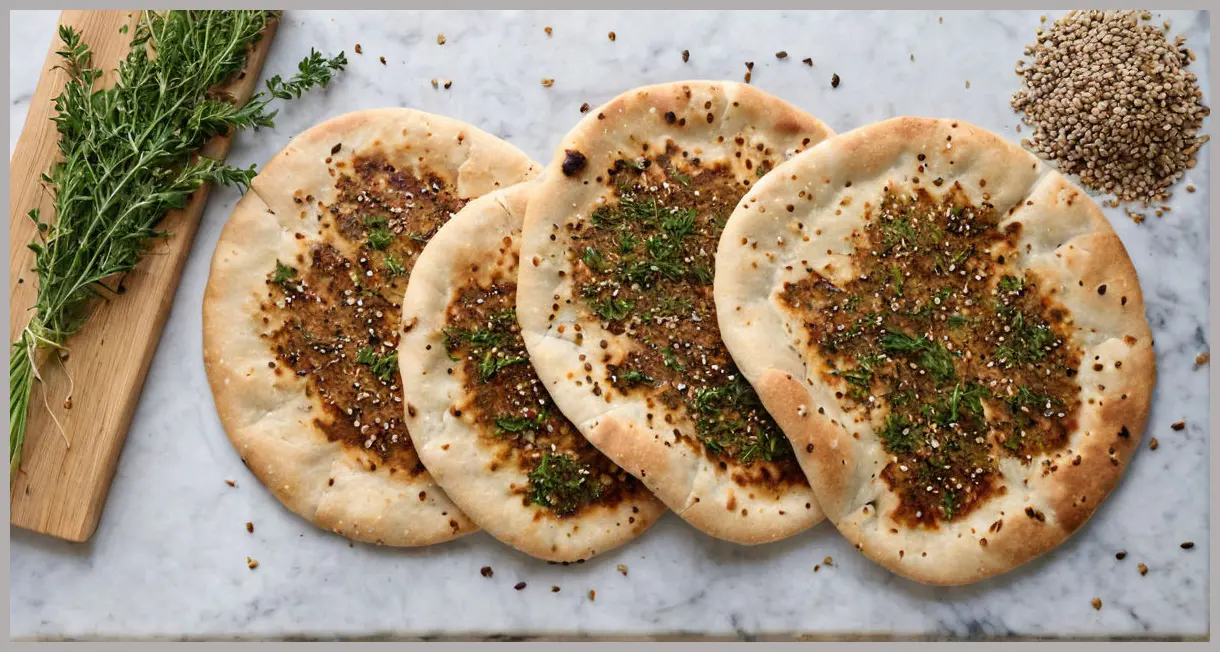
Meal Profile
| Attribute | Details |
|---|---|
| Title | Griddled Za’atar Flatbreads |
| Difficulty | Easy |
| Portion | Makes 8 flatbreads (ideal for a small gathering or as a side for a larger feast) |
| Time | Hands‑on: 35‑40 min + 30 min proving |
| Description | These simple za’atar flatbreads are really easy to make. Just 30 minutes proving, then they’re ready to griddle in a hot pan. Serve with tagines, houmous or slow‑roast lamb. |
| Primary Cooking Method | Griddling (high‑heat pan) |
| Cuisine Influence | Middle‑Eastern, with the aromatic za’atar blend giving a distinctive herbal‑nutty flavor. |
Why “griddled”? A heavy‑based frying or griddle pan creates a rapid, even heat that puffs the dough and caramelizes the za’atar on the surface. No oven required, no fancy equipment—just a sturdy pan and a stovetop.
Why za’atar? This spice mix typically contains thyme, oregano, sumac, sesame seeds, and sea salt. It adds an earthy, citrusy tang and a pleasant crunch that makes each bite memorable.
Ingredient Highlight
Below is the full ingredient list, pulled directly from the source JSON. Each component plays a specific role in texture, flavor, or handling, so understanding the “why” will help you troubleshoot and customize later.
- ½ tsp fast‑action dried yeast – Gives the dough a gentle lift during the short 30‑minute proof. Fast‑action yeast works quickly, perfect for an “easy” recipe.
- 180 ml lukewarm water – Activates the yeast and hydrates the flour. Lukewarm (around 35 °C/95 °F) is ideal; too hot will kill the yeast, too cold will stall fermentation.
- 300 g white bread flour, plus extra to dust – Bread flour has higher protein than all‑purpose, creating more gluten for that chewy, elastic crumb. Extra flour prevents sticking while shaping.
- 1 tsp salt – Enhances flavor and tightens gluten structure, giving the flatbread a balanced taste.
- 1 tbsp olive oil – Adds richness, aids in dough softness, and contributes a subtle fruity note that complements the za’atar.
- 2 tsp za’atar spice mix – The star of the show. It’s sprinkled onto each rolled disc, then lightly pressed in to lock the aromatics into the dough.
- 2‑3 large baking trays dusted with flour – Work surfaces for shaping and resting the flatbreads.
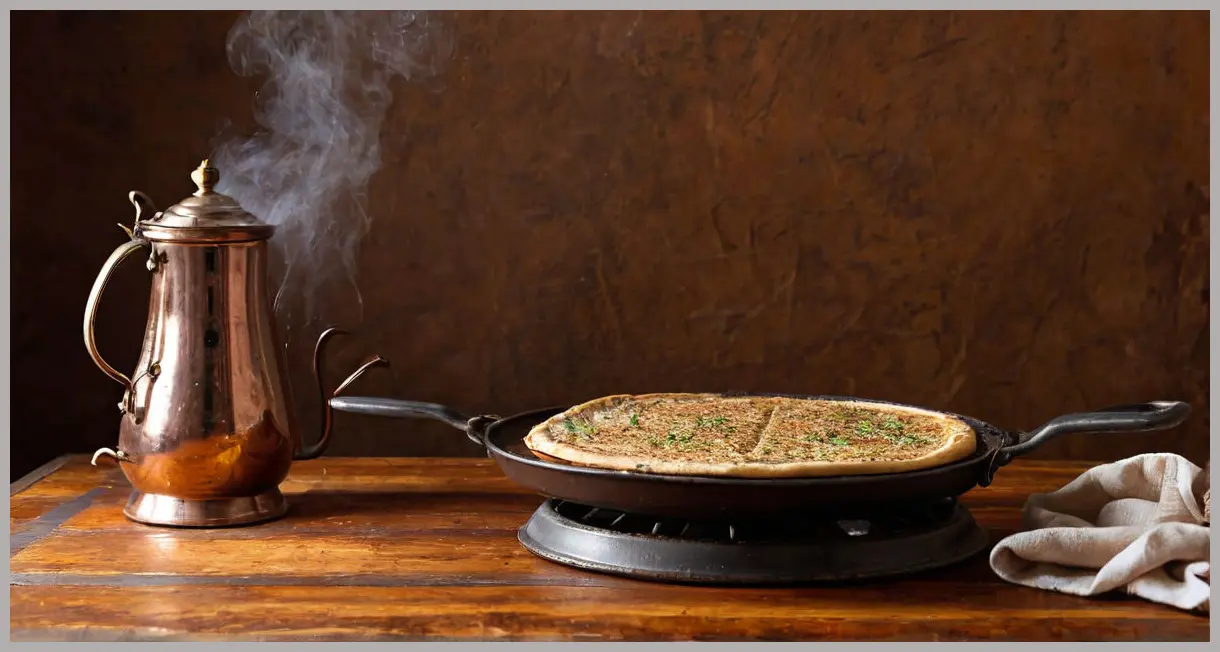
- Large heavy‑based frying pan or griddle pan – Provides the high, even heat needed for quick puffing and golden spots.
- 1‑2 clean tea towels – Used to cover the dough while it proofs and to keep cooked flatbreads warm and soft.
Pro tip: If you can’t find pre‑made za’atar, combine 1 tsp dried thyme, ½ tsp dried oregano, ½ tsp sumac, 1 tbsp toasted sesame seeds, and a pinch of sea salt. Toast the sesame seeds briefly for extra nuttiness.
Step‑by‑Step Instructions
The method array from the JSON has been transformed into a clean, numbered list. Follow each step in order; the timing cues (e.g., “30 minutes”) are built into the instructions.
- Activate the yeast – Whisk the yeast, lukewarm water, and a spoonful of the flour in a bowl until the yeast dissolves. Leave the bowl in a warm place for a few minutes until frothy.
- Form the dough – Put the remaining flour and salt in a large bowl. Make a well in the centre, pour in the yeast mixture and olive oil, and combine to form a soft dough. Knead for 5 minutes until smooth and elastic. Cover the bowl with a clean tea towel and set aside for 30 minutes to prove.
- Shape the flatbreads – Divide the dough into 8 equal pieces and shape each into a ball. Flour the work surface, take a ball and flatten it with your hands to form a round. Using a rolling pin, roll out the dough to a thin round about 20 cm across. Scatter with a little za’atar and roll again to press it into the dough. Set aside on a lightly floured tray while you shape the remaining flatbreads.
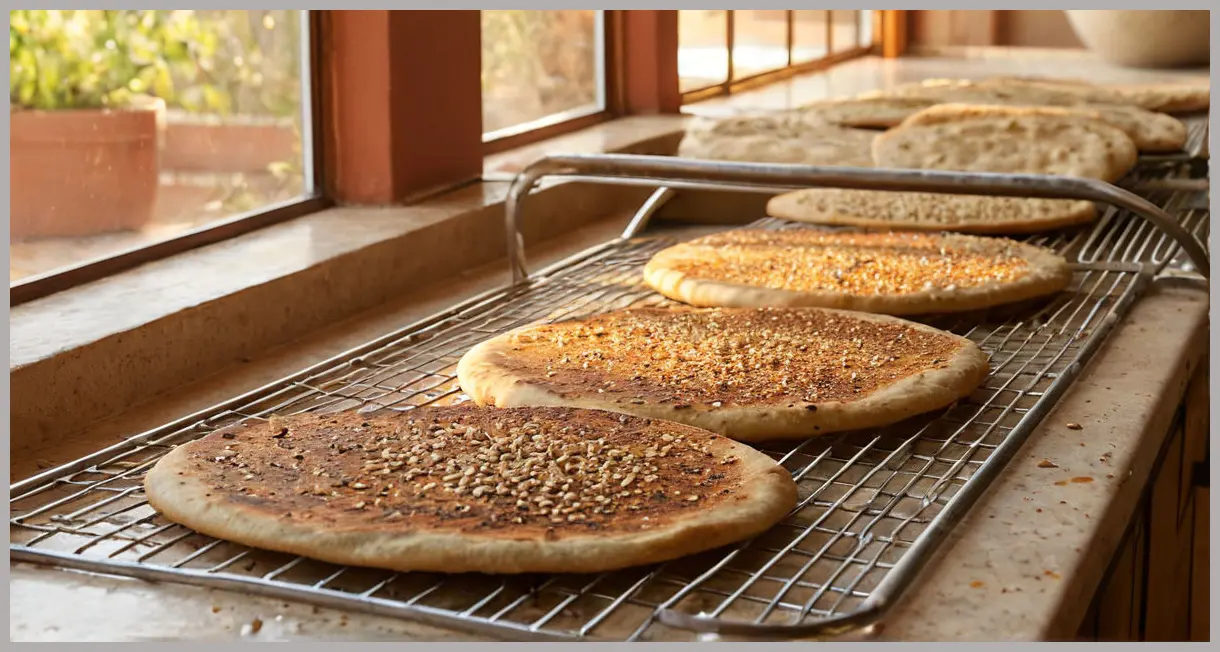
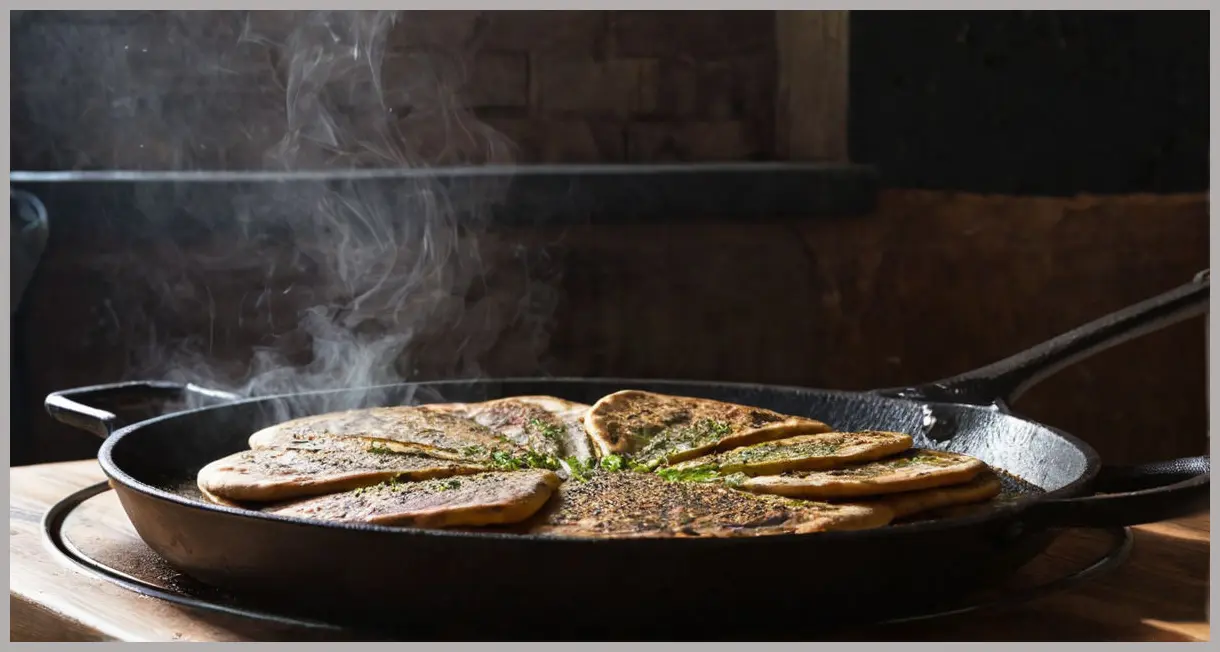
- Griddle the breads – Heat the frying/griddle pan over high heat. Cook the flatbreads one at a time, for about 1 minute on each side, until puffed and golden. Wrap in a clean tea towel and keep warm (see “Make Ahead” tip below) until ready to serve.
Make‑Ahead & Storage Tips
- Warm holding: After each flatbread is cooked, wrap it in a tea towel and place it in a low oven (≈ 80 °C/175 °F) or a insulated basket. This keeps them soft and pliable.
- Reheating: To revive leftovers, sprinkle a few drops of water on the surface and re‑griddle for 30 seconds per side, or warm in a toaster oven.
- Freezing: Stack cooled flatbreads between parchment sheets, place them in a zip‑top bag, and freeze for up to 2 months. Re‑heat directly from frozen on the pan—no thawing required.
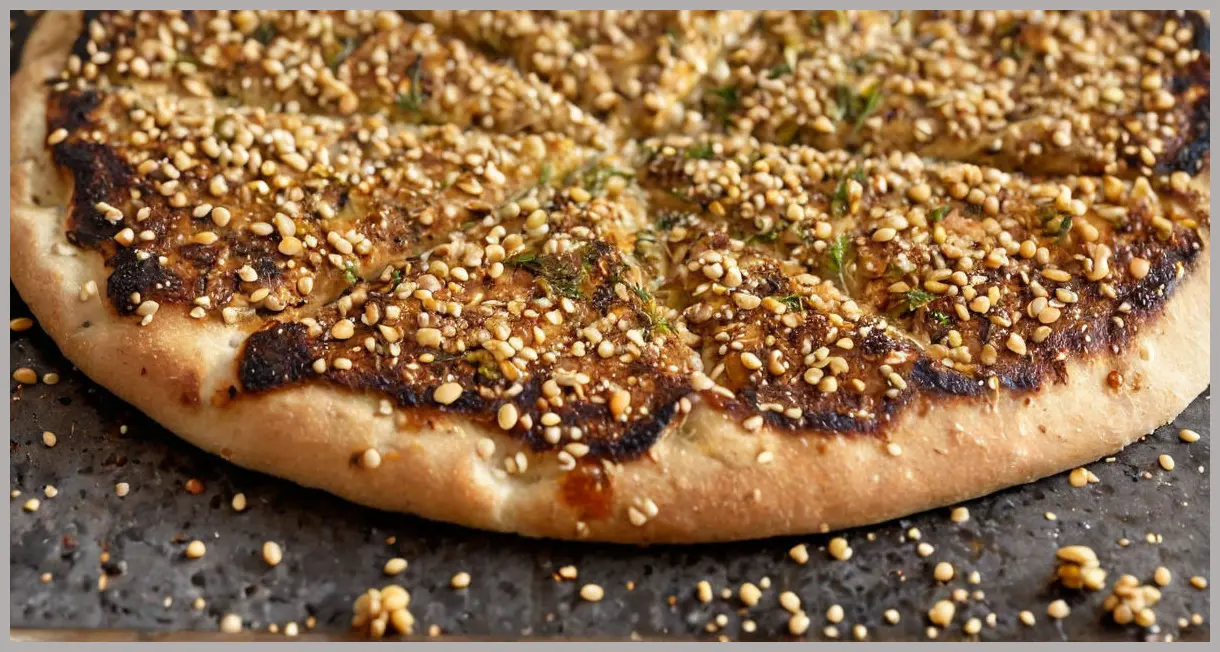
Serving Suggestions & Variations
Classic Pairings
| Pairing | Why It Works |
|---|---|
| Tagine (chicken or vegetable) | The earthy, slow‑cooked flavors of a tagine soak into the porous flatbread, while the za’atar adds a bright contrast. |
| Hummus | The nutty, creamy dip balances the herb‑spiced crispness of the bread. |
| Slow‑roast lamb | Rich, tender lamb benefits from the aromatic bite of za’atar, turning each bite into a flavor duet. |
| Labneh with olive oil | The tangy yogurt spread is mellowed by the warm, fragrant flatbread. |
Creative Twists
- Cheesy Za’atar Flatbreads – Sprinkle shredded mozzarella or feta on top of the za’atar before the final roll, then grill until the cheese melts.
- Spicy Kick – Add a pinch of cayenne or smoked paprika to the za’atar mix for a subtle heat.
- Sweet Version – Swap the za’atar for a blend of cinnamon, sugar, and a drizzle of honey after cooking; perfect for a breakfast or dessert twist.
- Whole‑Wheat Upgrade – Replace half of the white bread flour with whole‑wheat flour for added fiber and a nuttier flavor. Adjust water slightly if the dough feels dry.
Presentation Ideas
- Flatbread “Pizza” – Top each flatbread with sliced tomatoes, olives, and crumbled feta, then give a quick flash under the broiler (or a covered pan) to melt the cheese.
- DIY Dipping Station – Arrange a platter with bowls of hummus, baba ganoush, tzatziki, and a drizzle of extra‑virgin olive oil. Guests can tear the flatbreads and dip as they wish.
- Wraps & Rolls – Use the warm flatbreads as a wrap for grilled chicken, fresh herbs, and a squeeze of lemon for a quick, portable lunch.
Conclusion
Griddled Za’atar Flatbreads prove that delicious, aromatic bread doesn’t have to be a daunting project. With an easy difficulty level, a modest hands‑on time of 35‑40 minutes, and a simple proofing step, this recipe fits comfortably into a weekday dinner routine or a weekend gathering.
By mastering the basic techniques—activating yeast, kneading a smooth dough, and achieving that perfect high‑heat puff—you gain a foundation that can be adapted to countless flavor profiles. Whether you serve them alongside a fragrant tagine, dip them in silky hummus, or experiment with cheesy or sweet variations, these flatbreads will quickly become a staple in your kitchen repertoire.
So dust off that heavy pan, gather your za’atar, and let the scent of toasted herbs fill your home. In just half an hour, you’ll be pulling golden, puffed discs from the griddle—proof that great food is often the simplest.
Happy griddling!


Leave a Reply