
Gennaro Contaldo’s Limoncello: A Classic Italian Lemon Liqueur Made Easy
Lemon liqueur is the quintessential sweet, citrusy drink that can brighten up a gathering, finish a meal, or simply be enjoyed on a warm summer evening. If you’ve ever watched Gennaro Contaldo, the charismatic Italian chef known for his passion for Amalfi Coast cuisine, you’ll know that his version of limoncello is a family‑sized, home‑baked delight that’s both simple and deeply flavorful. This guide will walk you through every detail—from the humble ingredients to the art of infusing and aging—so you can create a bottle of pure sunshine in your own kitchen.
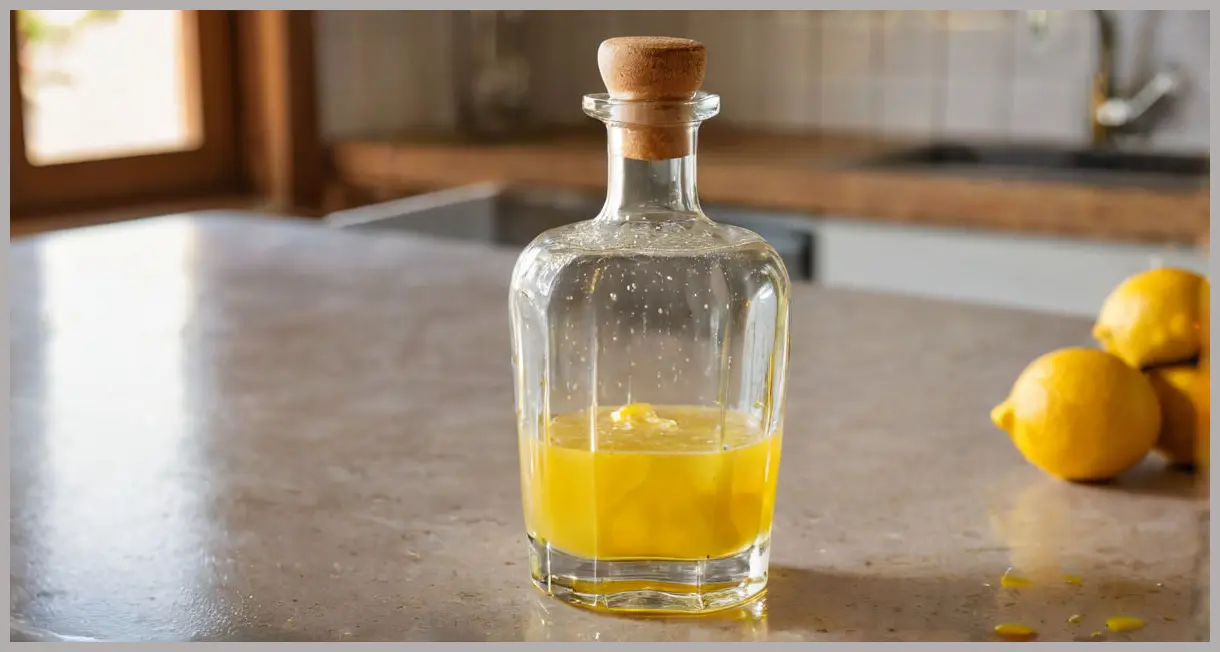
Introduction
Imagine the scent of sun‑kissed Amalfi lemons, the bright burst of citrus on your palate, and the gentle sweetness that lingers long after the last sip. Gennaro Contaldo’s limoncello captures that experience in a bottle. This recipe, rooted in Italian tradition, is a wonderful way to bring a touch of the Mediterranean into your home. Whether you’re looking for a festive cocktail ingredient, a dessert enhancer, or a simple, chilled refresher, this homemade limoncello is a versatile addition to any kitchen.
If you’re new to making liqueurs, don’t worry. The process is straightforward: zest lemons, steep them in alcohol, create a simple syrup, combine, bottle, and let it mature. The result is a vibrant, aromatic drink that’s best served chilled. Let’s dive into the details.

Meal Profile
| Feature | Details |
|---|---|
| Title | Gennaro Contaldo’s Limoncello |
| Difficulty | Easy |
| Portion | Makes Around 1.25 litres |
| Hands‑on Time | 30 minutes |
| Infusing & Maturing Time | 17 days (7 days of lemon infusion + 10 days of syrup integration) |
| Description | Traditional limoncello, crafted from Amalfi lemons, served cold or incorporated into desserts. |
| Ideal For | Aperitif, dessert garnish, cocktail base, or a refreshing summer drink. |
This recipe is a perfect beginner‑to‑intermediate project: you’ll learn how to handle citrus zest safely, how to create a simple syrup, and how to manage the aging process—all while producing a professional‑grade liqueur.
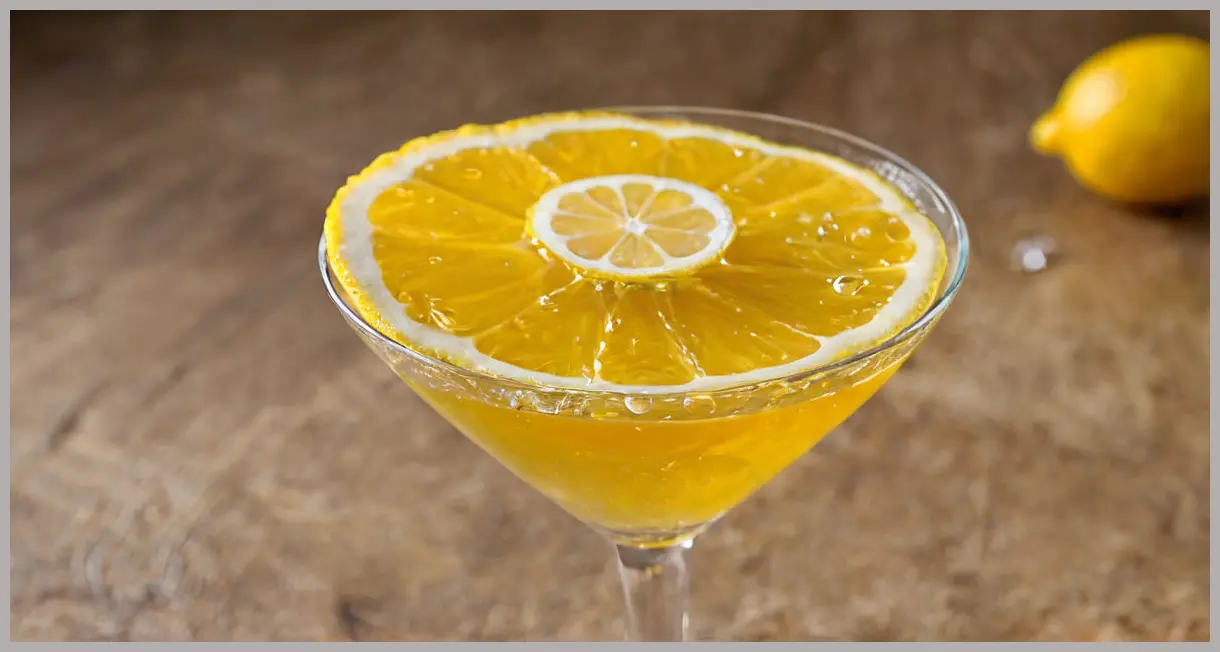
Ingredient Highlight
The beauty of limoncello lies in its simplicity. Each ingredient plays a pivotal role in building the drink’s bright, aromatic profile. Below is a closer look at what you’ll need and why each component matters.
| Ingredient | Quantity | Purpose |
|---|---|---|
| Unwaxed lemons | 3 (preferably organic Amalfi lemons) | Provides the citrus oils that give limoncello its signature flavor. The rind contains the essential oils; the white pith is bitter, so it’s removed. |
| Pure grain alcohol | 500 ml (or a neutral spirit such as vodka) | Acts as the solvent that extracts the lemon oils. The higher the alcohol content, the clearer the final liqueur. |
| Water | 750 ml | Dilutes the alcohol, creating a balanced base for the syrup. |
| Sugar | 400 g | Sweetens the liqueur and balances the citrus acidity. |
| Glass bottle(s) | At least 1.25 litres total capacity | Holds the finished product. Use sterilised bottles to avoid contamination and preserve flavour. |
| Funnel | 1 | Helps transfer liquid into bottles without spills. |
Tips for Selecting Lemons
- Unwaxed, organic lemons are ideal because they’re free of pesticides and the wax that can mask flavor.
- Amalfi lemons are the gold standard. Their thick, fragrant zest delivers a bright, slightly floral citrus note that’s hard to replicate with other varieties.
- If you can’t find Amalfi lemons, try Sicilian or Yuzu for a unique twist.
Choosing Alcohol
- Pure grain alcohol (often 95% ABV) is common in traditional limoncello recipes. It’s strong enough to extract the oils but will be diluted with water.
- If you prefer a milder spirit, a high‑proof vodka works well. Just adjust the proportions slightly to maintain balance.
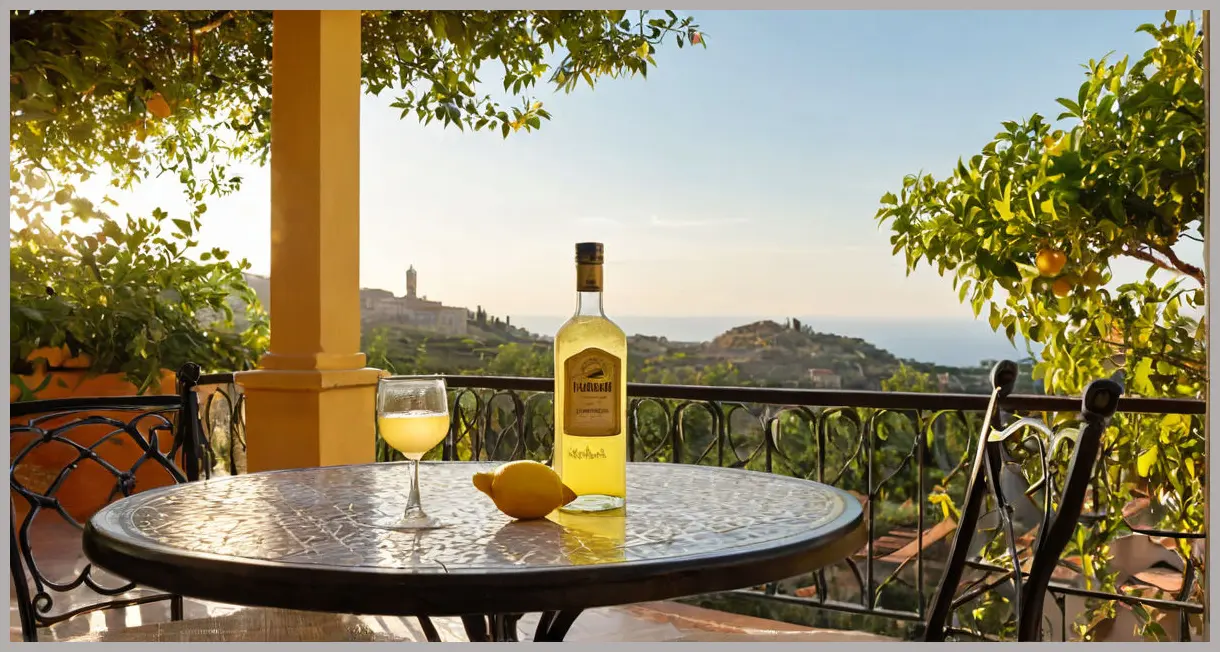
Step‑by‑Step Instructions
Below is a detailed, numbered guide to creating Gennaro Contaldo’s limoncello. Follow each step carefully, and you’ll end up with a bottle of lemon liqueur that could rival any commercial brand.
-
Wash and Zest the Lemons
Begin by rinsing the lemons in cold water to remove any surface dirt or residue. Dry them thoroughly with a clean towel. Using a sharp peeler, remove the rind in long, thin strips—be sure to avoid the white pith, as it contains bitter compounds that can overpower the liqueur. -
Infuse the Zest in Alcohol
Place the lemon zest into a large, airtight jar. Pour the 500 ml of pure grain alcohol over the zest, ensuring it’s fully submerged. Seal the jar tightly. Store the jar in a cool, dry place (ideally between 15–20 °C) for 7 days. This period allows the alcohol to extract the citrus oils from the zest, creating a fragrant base. -
Prepare the Simple Syrup
After the 7‑day infusion, bring 750 ml of water to a gentle boil in a saucepan. Add the 400 g of sugar and stir until completely dissolved, creating a clear syrup. Remove the pan from heat and allow the syrup to cool to room temperature. -
Strain the Alcohol
Open the jar containing the infused alcohol. Use a fine mesh sieve or a cheesecloth to strain the liquid into a large jug, discarding the zest. This step ensures a clear, oil‑free liquid ready for mixing. -
Combine Alcohol and Syrup
Pour the cooled simple syrup into the jug with the strained alcohol. Stir gently to mix thoroughly. The mixture should have a bright lemon color and a balanced, sweet‑citrus aroma. -
Bottle the Limoncello
Using a funnel, transfer the liqueur into clean, sterilised glass bottles. Leave a small headspace (about 2 cm) at the top of each bottle to accommodate expansion during storage. Seal the bottles with airtight caps or corks. -
Mature the Liqueur
Store the bottled limoncello in a cool, dark place for at least 10 days. This aging period allows the flavors to meld, creating a smoother, more complex liqueur. The longer you let it sit, the richer the taste will become—though 10 days is sufficient for a delightful result. -
Serve and Enjoy
Once matured, chill the bottles in the refrigerator or freezer. Serve the limoncello straight up in small glasses, or use it as a base for cocktails, dessert sauces, or as a sweetening agent in lemon‑flavored desserts.
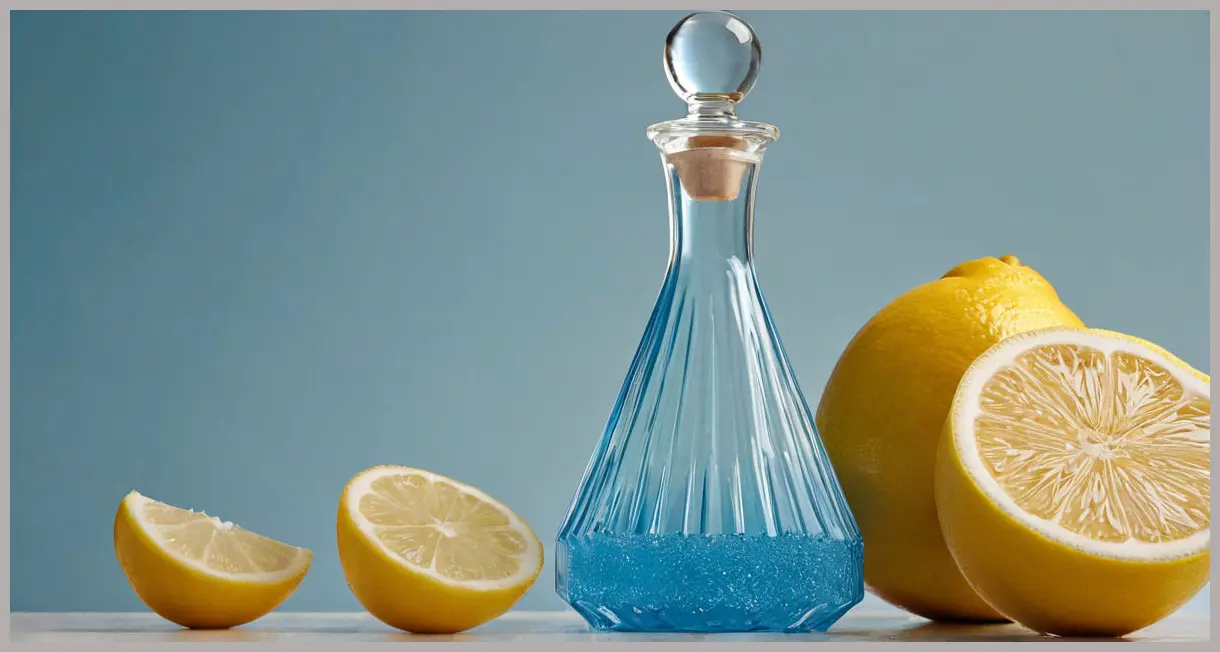
Serving Suggestions & Variations
Classic Presentation
- Aperitif: Serve chilled in a small glass. The bright citrus and gentle sweetness make for a perfect pre‑meal drink.
- Dessert Enhancement: Drizzle a splash over vanilla ice cream, lemon sorbet, or fresh berries. The lemon notes elevate any sweet treat.
- Cocktail Base: Mix with sparkling water and a splash of elderflower cordial for a refreshing spritz. Add fresh mint for a fragrant twist.
Variations to Explore
| Variation | How to Adapt the Recipe |
|---|---|
| Spiced Limoncello | Add a few crushed cloves, a cinnamon stick, or a pinch of nutmeg to the zest before infusing. Remove the spices after the 7‑day infusion. |
| Herb‑Infused Limoncello | Add fresh rosemary or basil leaves to the zest for an herbal undertone. Strain them out before mixing with the syrup. |
| Berry Limoncello | Replace 200 ml of water with 200 ml of berry puree (strawberry, raspberry). The result is a sweet‑citrus berry liqueur. |
| Low‑Alcohol Limoncello | Use a lower‑proof alcohol (e.g., 40% ABV) and increase the water proportion accordingly to maintain balance. |
Pairing Ideas
- Cheese: Pair a chilled glass of limoncello with a mild goat cheese or a creamy brie for a contrasting sweet‑savory experience.
- Seafood: Serve after a grilled fish dinner to cleanse the palate with bright citrus.
- Dessert: Use as a sauce for tiramisu or drizzle over a lemon‑poppy seed cake.
Conclusion
Gennaro Contaldo’s limoncello is more than just a homemade liqueur; it’s a celebration of Italian heritage, a showcase of simple ingredients, and a testament to the art of patience. With just a handful of items and a few days of careful aging, you can transform ordinary lemons into a bottle of liquid sunshine that will impress friends, delight family, and elevate any occasion.
The recipe’s easy steps, clear measurements, and flexible variations make it an ideal project for beginner‑to‑intermediate cooks who want to experiment with flavor and technique. Whether you keep the limoncello for yourself or share it as a thoughtful gift, the result is a timeless, homemade treat that embodies the spirit of the Amalfi Coast.
So gather your lemons, grab your spirit, and let the citrus magic begin. Cheers to your very own Gennaro Contaldo’s Limoncello!


Leave a Reply