
Coconut Dhal and Chapatis
A fragrant, vegan, budget‑friendly dinner that’s as comforting as it is wholesome
Introduction
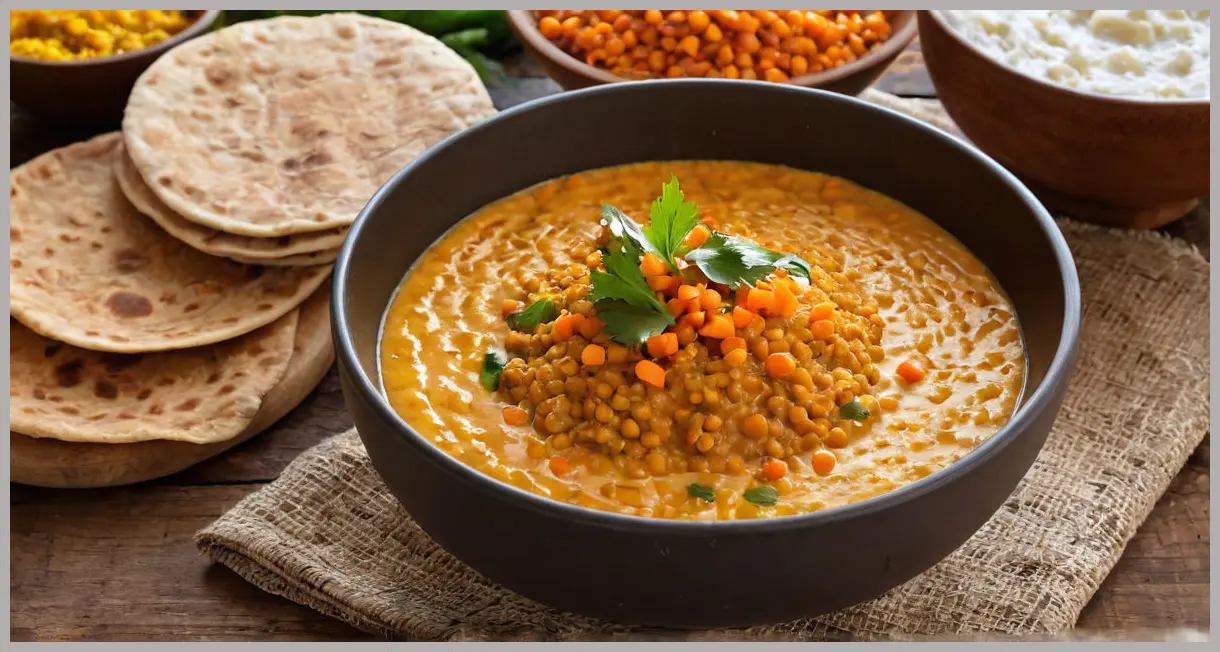
If you’re a beginner‑to‑intermediate cook looking for a recipe that feels like a culinary triumph without demanding a PhD in culinary arts, Coconut Dhal and Chapatis is your new go‑to. The dish is a vibrant blend of red lentils, coconut milk, and a symphony of spices that come together to create a silky, aromatic curry. Pair it with freshly made chapatis—soft, pillowy flatbreads that soak up the sauce—and you have a meal that’s both filling and impressively simple.
What makes this recipe a standout is its accessibility. Nearly every ingredient is a pantry staple: red lentils, canned tomatoes, coconut milk, and spices like cumin, coriander, and turmeric. The only “specialty” item is tamarind paste, which you can easily find in most grocery stores or online. The chapatis are a breeze to make from scratch, and they add that comforting, hand‑made touch that turns a humble dinner into something special.
With an easy difficulty rating, a generous serves 6 portion size (3 chapatis per person), and a total of 90 minutes of hands‑on and cooking time (45 minutes each), this recipe is perfect for a weekday family dinner or a relaxed weekend meal. The result is a fragrant, vegan coconut dhal that’s as nutritious as it is delicious, and the homemade chapatis add a satisfying, budget‑friendly element that makes this dinner a win for both your wallet and your taste buds.

Meal Profile
| Attribute | Details |
|---|---|
| Title | Coconut Dhal and Chapatis |
| Difficulty | Easy |
| Portion | Serves 6 (3 chapatis per person) |
| Time | Hands‑on: 45 min. Cooking: 45 min |
| Description | Nearly all the ingredients for this fragrant vegan coconut dhal come from the store cupboard. Serve with homemade chapatis for a filling, budget dinner. |
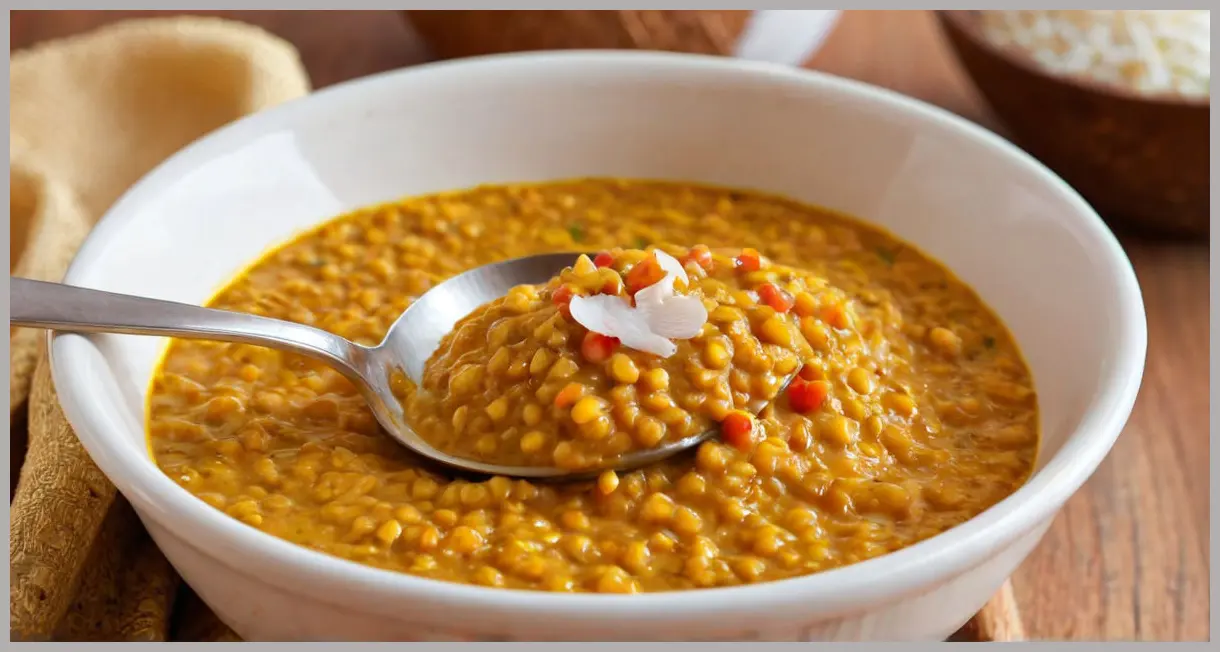
The heart of the dish is the coconut dhal—a creamy, mildly sweet, and subtly spicy lentil curry that pairs perfectly with the neutral, slightly nutty flavor of the chapatis. The use of tamarind paste gives the dhal a bright, tangy edge that balances the richness of the coconut milk. The optional spinach adds a pop of color and nutrients, while the chili flakes let you dial up the heat to suit your palate.
Ingredient Highlight
Below is a breakdown of each ingredient, why it’s essential, and a few tips on how to get the most flavor out of it. Feel free to swap or omit ingredients based on what you have on hand or your dietary preferences.
| Ingredient | Role in the Dish | Tips & Variations |
|---|---|---|
| 250 g red lentils | The protein backbone; they cook quickly and break down into a thick, creamy base. | Rinse until water runs clear to remove excess starch. No need to soak—red lentils cook in 15–20 min. |
| 2 tbsp vegetable oil | Base for sautéing aromatics; helps prevent sticking. | Can substitute with coconut oil for a stronger coconut flavor. |
| 2 medium onions, finely chopped | Builds sweetness and depth; caramelizes to a golden hue. | Slow‑cook over low‑medium heat for 10–15 min to bring out natural sugars. |
| 4 garlic cloves, crushed | Adds pungency and a warm, earthy undertone. | Crush with the flat side of a knife to release more flavor. |
| ½ tsp dried chili flakes | Provides heat; adjust to taste. | Use fresh red pepper flakes for a cleaner heat or omit for a milder version. |
| 2 tsp mustard seeds (optional) | Adds a subtle nutty crunch and a bright, tangy note. | Toast until they pop to release their flavor. |
| 2 tsp ground cumin | Earthy, warm flavor that complements lentils. | Toast cumin seeds first, then grind for a fresher taste. |
| 2 tsp ground coriander | Bright, citrusy undertones that brighten the curry. | Toast seeds before grinding for depth. |
| 1 tsp ground turmeric | Gives the dhal its beautiful golden color and mild, peppery flavor. | Use a pinch of black pepper to enhance absorption. |
| 1 tsp ground ginger | Adds a zesty, slightly sweet bite. | Fresh ginger can be used if you prefer a sharper kick. |
| 400 g tin chopped tomatoes | Provides acidity and body. | Drain a bit to reduce excess liquid if you prefer a thicker curry. |
| 400 g tin coconut milk | Creates a silky, creamy texture and a subtle coconut sweetness. | Use light coconut milk for a lighter version. |
| 1 tbsp tamarind paste | Bright, sour element that balances richness. | If unavailable, substitute with a splash of lemon juice or a dash of vinegar. |
| 250 g frozen spinach (optional) | Adds color, nutrients, and a mild earthy flavor. | Thaw and squeeze out excess water to avoid watery dhal. |
| Juice of ½ lemon or lime | Fresh acidity to finish the dish. | Use lime for a slightly sweeter finish. |
| 500 g chapati or wholemeal flour | The base for the chapatis; wholemeal adds extra fiber. | Add a pinch of salt to enhance flavor. |
| 1 tsp salt | Balances sweetness and enhances overall flavor. | Adjust to taste; add more during cooking if needed. |
| 250–300 ml water | Hydrates the lentils and creates the curry’s base liquid. | Add more if the dhal becomes too thick during simmering. |
| Vegetable oil or ghee for frying | Prevents chapatis from sticking and adds a subtle flavor. | Ghee adds a nutty richness; oil keeps it neutral. |
Step‑by‑Step Instructions
Below is a detailed, numbered list of the cooking steps, taken directly from the method array. Follow each step closely, but feel free to add your own flair or tweak the seasoning as you go.
-
Rinse the lentils thoroughly in cold water and leave to drain in a sieve until ready to use. Heat the oil in a large saucepan and add the onions. Stir intermittently over a low‑medium heat for 10‑15 minutes, or until the onions are soft and golden.
Why it matters: Rinsing removes excess starch and ensures the lentils cook evenly. Slow‑cooking the onions brings out natural sweetness, forming the flavor base for the dhal. -
Add the garlic and spices and cook, stirring, for a few minutes, until you hear the mustard seeds pop and the spices have cooked out – take care not to burn them. Add the red lentils and stir them round to coat them in the oil, before adding the tomatoes and coconut milk. Swish round the empty tins with about 100 ml water and add the water to the pan.
Why it matters: Toasting spices releases essential oils, deepening the flavor. Coating lentils in oil ensures they don’t stick and helps them absorb the spices. -
Season generously with salt, then stir in the tamarind paste and frozen spinach (if using) and leave to simmer gently for about 25‑30 minutes, stirring intermittently, or until the lentils are soft. You may need to add more water.
Why it matters: Simmering allows the lentils to break down into a creamy consistency, while the tamarind paste adds bright acidity. Adding water as needed keeps the dhal at the desired thickness. -
Meanwhile, make the chapatis. Mix the flour and salt in a large bowl. Add the water, a little at a time, mixing it in with your fingers as you go, until the mixture comes together to form a dough. Knead the dough for a few minutes in the bowl and leave to rest for a few minutes more.
Why it matters: Resting the dough relaxes gluten, making the chapatis easier to roll out and less likely to crack. -
On a work surface lightly dusted with flour, roll the dough into a sausage shape and divide it into 18 pieces. Flatten each piece of dough with the heel of your hand, before rolling it very thinly into discs, roughly 15 cm in diameter. Add more flour to prevent the dough sticking as needed.
Why it matters: Even thickness ensures uniform cooking; dusting with flour prevents sticking during rolling. -
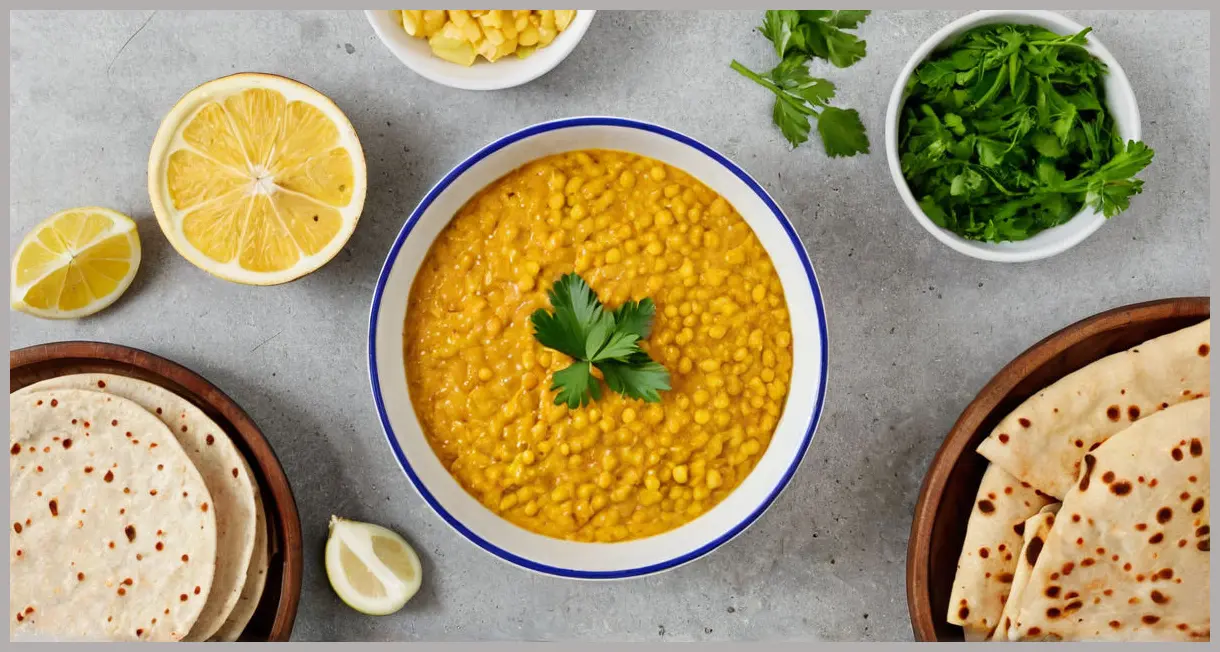
Heat a sparing slick of oil or ghee in a frying pan over a medium‑high heat. Fry a chapatti for about 30 seconds on each side, or until it puffs up and dark spots appear on the surface. Repeat with the remaining chapatis. Serve alongside the dal, squeezing over the lemon or lime juice.
Why it matters: Properly cooked chapatis should be soft and slightly charred, providing a pleasant contrast to the creamy dhal.
Serving Suggestions & Variations
Classic Serving
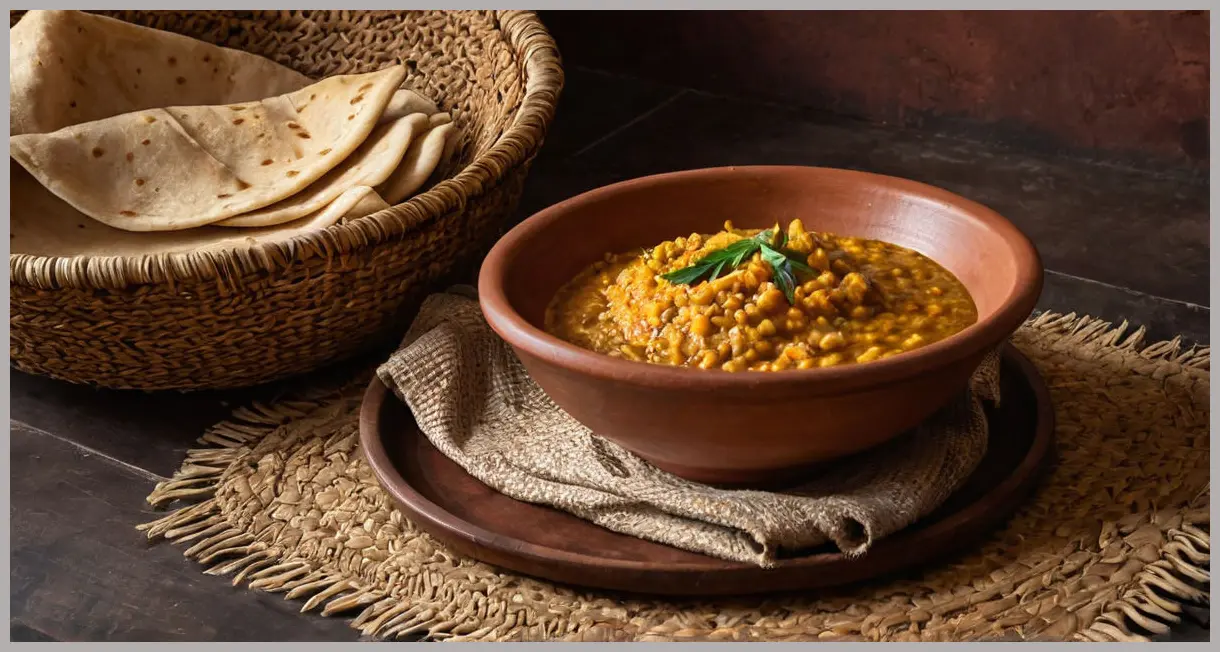
Serve the coconut dhal hot, with a basket of freshly fried chapatis on the side. Squeeze a generous amount of lemon or lime juice over the dhal just before serving to brighten the flavors. A sprinkle of fresh cilantro or chopped green onions adds a pop of color and a fresh herbal note.
Add a Crunch
Top the dhal with toasted coconut flakes or a handful of roasted chickpeas for added texture and protein. A drizzle of coconut yogurt or a dollop of vegan mayo can also elevate the dish if you prefer a creamier finish.
Spice It Up
If you’re a heat lover, increase the dried chili flakes or add a sliced fresh chili to the dhal. For a smoky twist, sprinkle a pinch of smoked paprika or add a few drops of liquid smoke to the curry.
Swap the Protein
Replace the red lentils with split yellow or green peas for a slightly different texture and flavor profile. Or, for a non‑vegan version, add diced tofu or paneer cubes in the last 10 minutes of simmering.
Use Whole‑Grain Flour
For a healthier option, use whole‑wheat flour for the chapatis. The dough will be a bit denser, but it adds fiber and a nutty flavor that pairs wonderfully with the dhal.
Make It Ahead
The dhal keeps well in the refrigerator for up to 3 days. Reheat gently on the stove or in the microwave, adding a splash of water if it’s thickened. The chapatis can be reheated in a dry skillet or the oven at 200 °C (400 °F) for a few minutes.
Pair with Sides
Serve the dhal and chapatis with a simple cucumber raita (vegan yogurt, grated cucumber, and a pinch of cumin) or a tangy tomato salad to add freshness. A side of pickled vegetables also complements the dish’s flavors.
Conclusion
Coconut Dhal and Chapatis is a testament to how a handful of pantry staples can create a meal that feels both comforting and sophisticated. The dish’s easy preparation, budget‑friendly ingredients, and vibrant flavors make it a standout choice for beginner‑to‑intermediate cooks looking to expand their repertoire. Whether you’re cooking for a family, hosting friends, or simply treating yourself to a wholesome dinner, this recipe delivers on taste, nutrition, and satisfaction.
Next time you’re planning a meal that’s quick, delicious, and economical, reach for the Coconut Dhal and Chapatis recipe. It’s a dish that will keep coming back to your kitchen, and the confidence you’ll gain from mastering it will inspire you to experiment with even more plant‑based, aromatic cuisines. Happy cooking!


Leave a Reply