
Seared Asian-Style Beef and Stir-Fried Savoy Cabbage
Difficulty: Easy
Portion: Serves 2
Hands‑on Time: 30 min
Description: Mix savoy cabbage with seared steak and Asian ingredients for a quick, easy dinner that’s full of flavour.

Introduction
When the week is running short and you’re craving something that feels special yet stays true to the “quick‑and‑easy” ethos, a plate of Seared Asian‑Style Beef and Stir‑Fried Savoy Cabbage is the answer. This dish marries the bold, umami‑rich notes of soy and fish sauce with the bright, citrusy punch of lime, while the tender, caramelised steak offers a satisfying protein punch. Best of all, it requires only a handful of pantry staples and a single wok or heavy‑based pan – no fancy gadgets, no hours of prep. In the next few sections, we’ll walk you through every nuance of this recipe, from ingredient selection to plating, ensuring that even a beginner‑to‑intermediate cook can master it with confidence.
Meal Profile
| Feature | Details |
|---|---|
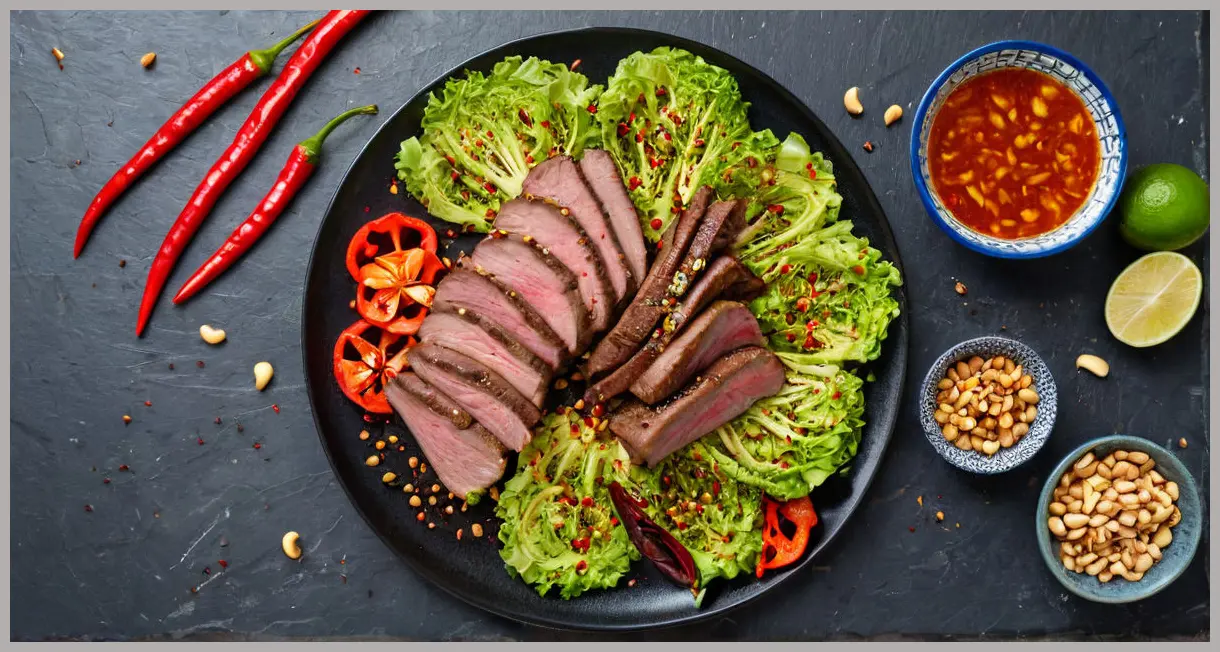
| Name | Seared Asian‑Style Beef and Stir‑Fried Savoy Cabbage |
| Cuisine | Asian‑inspired fusion |
| Main Protein | British onglet (hanger steak) or sirloin |
| Vegetable | Savoy cabbage |
| Key Sauces | Soy sauce, fish sauce |
| Spices & Aromatics | Star anise, fresh ginger, garlic, red chilli |
| Crunch | Roasted peanuts |
| Herbs & Citrus | Coriander, Thai basil, lime |
| Cooking Method | Quick sear + stir‑fry |
| Time Commitment | 30 minutes hands‑on |
| Skill Level | Easy – suitable for cooks who are comfortable with basic searing and stir‑frying |
The dish balances textures—crisp cabbage, silky steak, nutty peanuts—and flavors—salty, sweet, spicy, and citrusy—making it a rounded, satisfying meal.

Ingredient Highlight
Below is a breakdown of each ingredient, why it matters, and how it contributes to the dish’s overall profile.
1. 400 g British Onglet (Hanger or Skirt) or Sirloin Steak
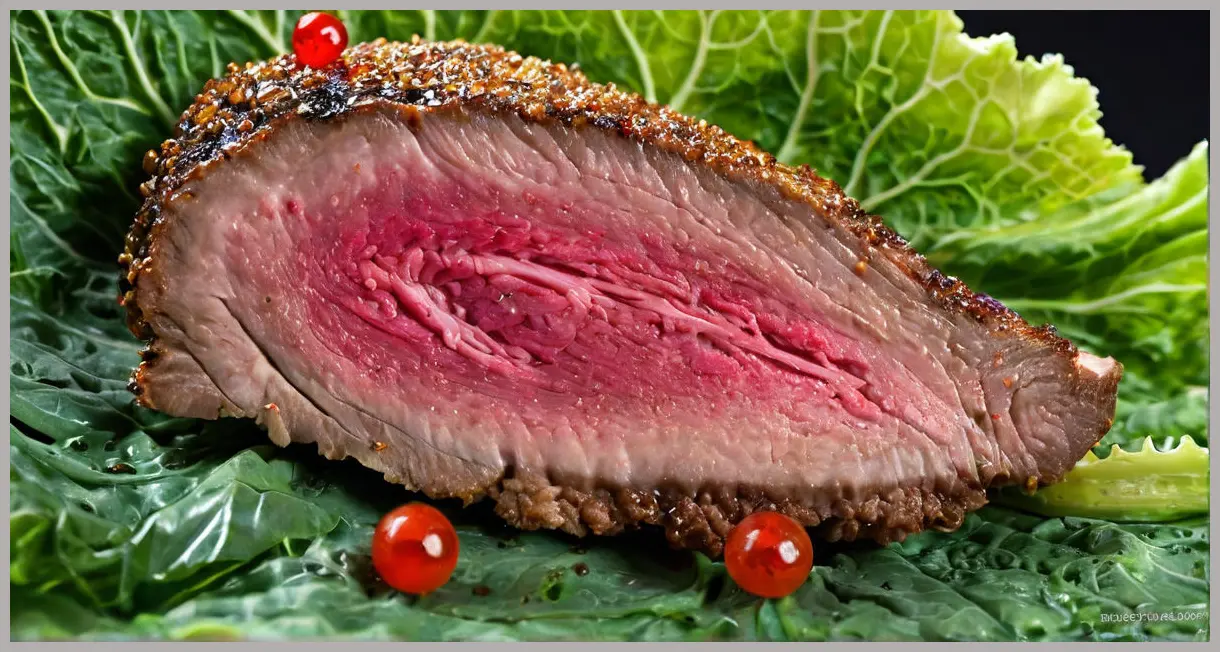
- Why it matters: Onglet, also known as hanger steak, is prized for its robust beefy flavor and fibrous texture that becomes tender when seared properly. Sirloin is a great alternative if onglet is unavailable. Both cuts have a good marbling that melts into the meat as it cooks, adding richness.
- Tip: Slice against the grain into thin strips for quicker cooking and easier chewing.
2. 2 Tbsp Soy Sauce
- Why it matters: Soy sauce provides the umami backbone of the dish. It also acts as a quick marinator, tenderising the meat while infusing it with savory depth.
- Tip: Use a low‑sodium version if you’re watching salt intake; you can always add a pinch of salt later.
3. ½ Tbsp Sunflower Oil (plus extra)
- Why it matters: Sunflower oil’s high smoke point makes it ideal for high‑heat searing and stir‑frying. It also offers a neutral flavor that lets the other seasonings shine.
- Tip: A splash of sesame oil added at the end can give a subtle nutty aroma.
4. 1 Onion, Sliced
- Why it matters: Onions bring sweetness and depth. When stir‑fried, they caramelise slightly, providing a mellow backdrop for the spices.
- Tip: Slice the onion thinly to ensure it cooks quickly and evenly.
5. 2 Garlic Cloves, Sliced
- Why it matters: Garlic adds a sharp, aromatic bite that balances the sweetness of the onion and the richness of the beef.
- Tip: Slice the cloves into thin rounds; this maximises surface area for flavour release.
6. ½ Star Anise
- Why it matters: Star anise offers a sweet, licorice‑like aroma that complements the savory elements. It’s a classic in many Asian stir‑fries.
- Tip: Use whole star anise; it’s easy to remove after cooking.
7. Thumb‑size Piece Fresh Ginger, Coarsely Grated
- Why it matters: Ginger brings a bright, peppery heat that cuts through the richness of the steak and the sweetness of the cabbage.
- Tip: Grate the ginger finely so it releases maximum flavour without clumping.
8. 1 Red Chilli, Finely Sliced
- Why it matters: The chilli adds a mild heat that’s balanced by the lime’s acidity. Adjust the amount based on your spice tolerance.
- Tip: Remove the seeds if you prefer a milder kick.
9. 30 g Unsalted Roasted Peanuts, Roughly Chopped
- Why it matters: Peanuts add crunch, a nutty undertone, and a subtle sweetness that harmonises with the soy and fish sauces.
- Tip: Toast the peanuts lightly before chopping for an extra layer of flavour.
10. 1 Small or ½ Medium Savoy Cabbage (Outer Leaves Discarded)
- Why it matters: Savoy cabbage’s tender leaves and slightly sweet flavour hold up well to high heat, and its loose structure allows it to absorb sauces beautifully.
- Tip: Wilt the shredded cabbage in a colander with boiling water for 1–2 minutes, then drain to remove excess water before stir‑frying.
11. 1 Tbsp Fish Sauce
- Why it matters: Fish sauce adds a deep, briny umami that’s essential in many Southeast Asian dishes. It balances the sweetness of the soy and the freshness of the lime.
- Tip: If you’re vegetarian, substitute with a splash of soy sauce and a pinch of seaweed broth.
12. Juice 1 Lime, plus Extra Wedges to Serve
- Why it matters: Lime juice provides bright acidity that cuts through the richness, while lime wedges allow diners to add more citrus to taste.
- Tip: Add the lime juice just before serving to preserve its fresh, zesty flavour.
13. Small Bunch Each Fresh Coriander and Thai Basil (or Mint), Roughly Chopped, plus Extra to Serve
- Why it matters: These herbs bring a burst of freshness and a hint of peppery spice that lifts the dish. They also add a pop of green for visual appeal.
- Tip: Roughly chop the leaves to release their oils; avoid bruising them.
Step‑by‑Step Instructions
Below is a numbered list of the four essential steps. Follow them closely to achieve the best texture and flavour.
-
Marinate and Prep the Steak
Put the steak in a shallow dish and pour over the soy sauce. Heat a large frying pan or wok over a high heat. Pour in the oil and swirl the pan to coat. Add the onion and stir‑fry for 2–3 minutes until softened. Turn the heat to medium and add the garlic, then stir‑fry for 1 minute until the raw smell fades – keep it moving or it will burn. Remove the pan from the heat and set aside. -
Sear the Steak
Heat a heavy‑based frying pan over a high heat. Remove the steak from the dish (reserve the soy sauce) and rub with oil. When the pan is smoking hot, add the steak and cook for 2 minutes on each side for medium‑rare, pressing down to flatten so it crisps and caramelises. Once cooked to your liking, remove to a plate and set aside to rest. -
Stir‑Fry the Aromatics and Cabbage
Return the first pan/wok to a high heat and, once the onions sizzle again, add the star anise and ginger, then stir‑fry for 2 minutes. Once fragrant, add the chilli and peanuts, then stir‑fry until the peanuts start to colour. Add the wilted cabbage and stir‑fry for 5 minutes or until the cabbage has coloured a little. -
Finish and Plate
Pour in half the soy sauce from the steaks (discard the rest) and the fish sauce, then squeeze in the lime and cook for 2 minutes. Scatter over the herbs and stir. Taste and season. Divide between 2 plates. Slice the steak and put on top of the stir‑fry, pouring any resting juices on top. Serve immediately with lime wedges.
Serving Suggestions & Variations
Classic Presentation
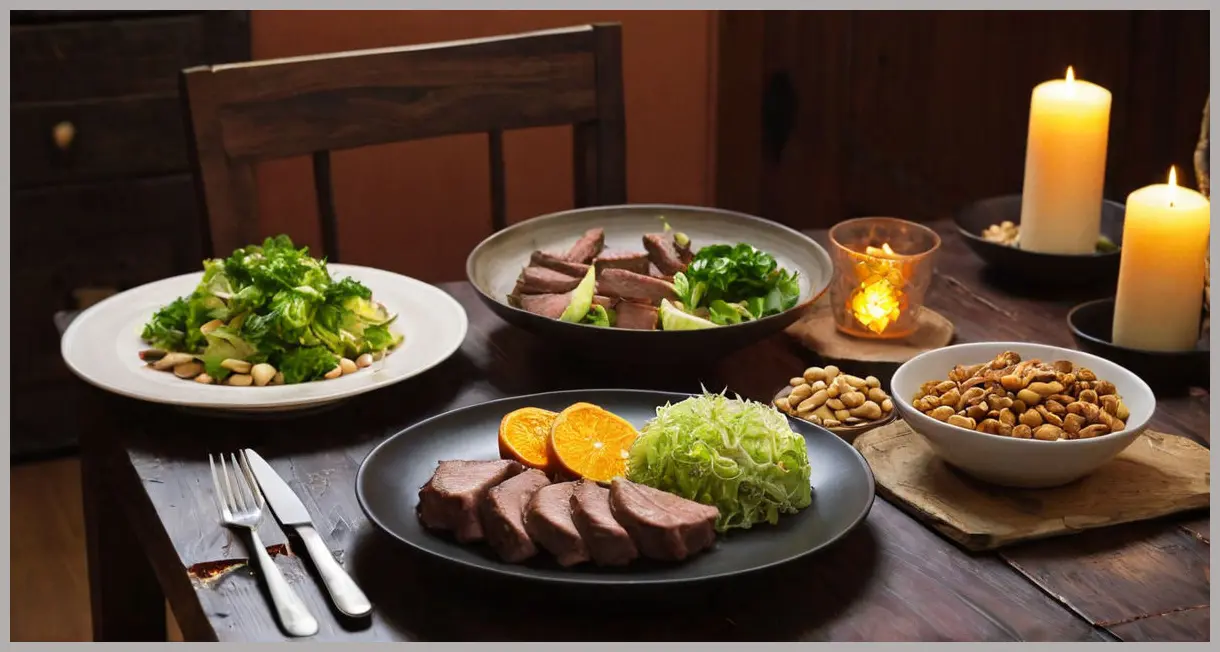
- Plate the stir‑fried cabbage as a bed, then arrange the sliced steak on top. Drizzle any leftover juices from the steak over the dish. Sprinkle the chopped peanuts, coriander, and Thai basil over the top for a burst of colour and crunch. Serve with lime wedges on the side so each diner can adjust the citrus to their liking.
Rice or Noodle Pairings
- Steamed Jasmine Rice: The neutral flavour of jasmine rice balances the boldness of the sauce.
- Rice Noodles or Ramen: Toss the stir‑fry into a bowl of warm noodles for a comforting, bowl‑style meal.
- Cauliflower Rice: For a lower‑carb option, use cauliflower rice as a base; it takes on the sauce beautifully.
Protein Variations
- Chicken Breast: Slice thinly and sear quickly; the flavour profile remains similar.
- Tofu: Use firm tofu, pan‑fried until golden before adding to the cabbage; it absorbs the sauce wonderfully.
- Shrimp: Sauté shrimp separately and combine at the end for a seafood twist.
Sauce Tweaks
- Sweetness: Add a teaspoon of honey or a splash of hoisin sauce for a sweeter finish.
- Heat: Increase the chilli slices or add a dash of Sriracha for extra spice.
- Umami: Finish with a splash of oyster sauce or a pinch of MSG for deeper savoury depth.
Vegetables
- Add Bell Peppers: Thinly sliced bell peppers add colour and a sweet crunch.
- Snow Peas or Bean Sprouts: Toss in the last minute of stir‑fry for extra texture.
- Carrot Shavings: Thin carrot ribbons add a subtle sweetness and vibrant colour.
Herb Alternatives
- Mint or Cilantro: Swap Thai basil for fresh mint or extra cilantro if you prefer a different aromatic note.
- Scallions: Add sliced scallions at the end for a mild onion flavour.
Conclusion
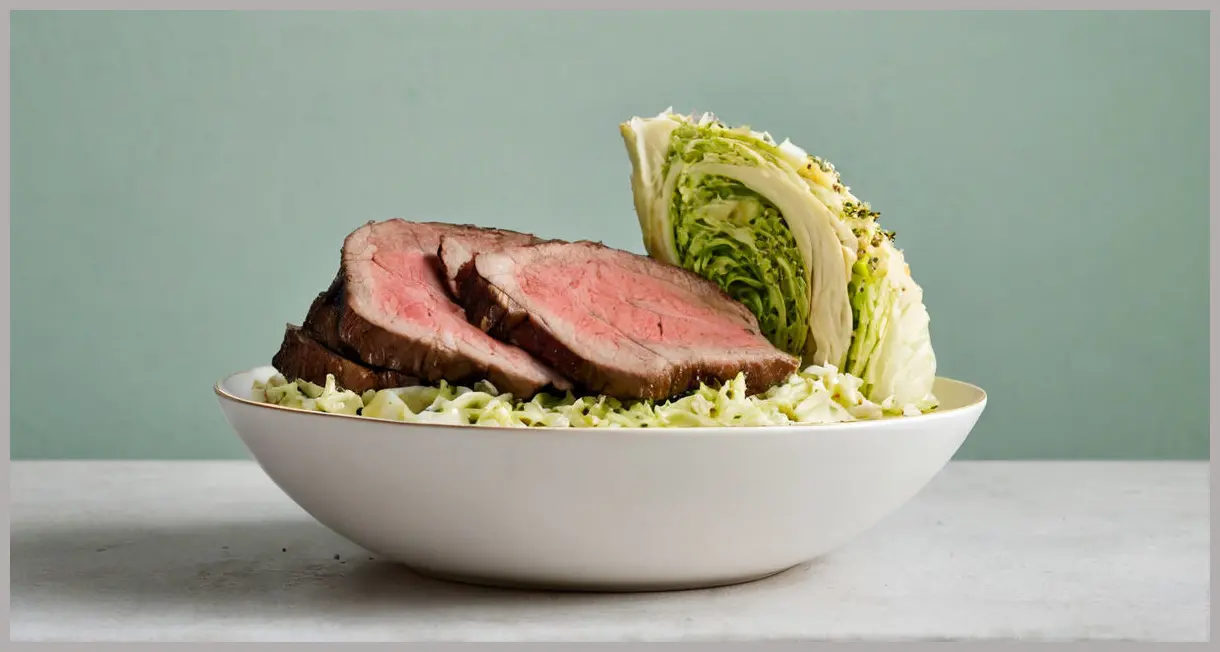
This Seared Asian‑Style Beef and Stir‑Fried Savoy Cabbage recipe is a masterclass in balancing bold flavours with simple techniques. By marinating the steak in soy sauce, searing it to perfection, and then marrying it with a bright, aromatic stir‑fry of cabbage, star anise, ginger, and lime, you create a dish that feels both comforting and sophisticated. The addition of roasted peanuts, fresh herbs, and a splash of fish sauce ties everything together, making each bite a sensory experience.
Whether you’re cooking for two or entertaining guests, this dish proves that a few key ingredients and a little culinary confidence can produce a meal that’s quick, easy, and unforgettable. So next time you’re in a hurry but still want to impress, reach for the hanger steak, the savoy cabbage, and let the flavours speak for themselves. Happy cooking!


Leave a Reply