
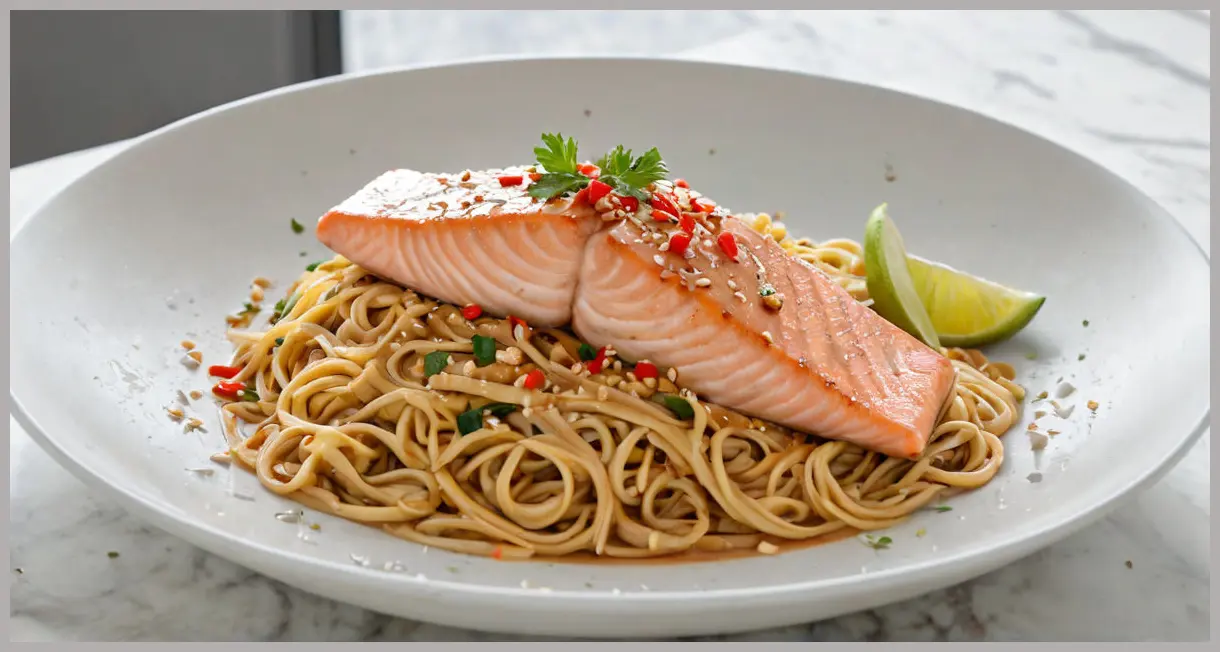
Peanut, Sesame and Ginger Noodles with Wild Alaskan Salmon
A quick, flavour‑packed dish that’s perfect for beginner‑to‑intermediate cooks.

Introduction
If you’re looking for a meal that feels both adventurous and approachable, this Peanut, Sesame and Ginger Noodles with Wild Alaskan Salmon recipe is the answer. It’s a vibrant fusion of Asian‑inspired sauces, the umami richness of salmon, and the nutty crunch of peanut butter—all wrapped around silky egg noodles. The best part? The entire dish comes together in just 25 minutes of hands‑on time, making it a go‑to option for busy weeknights or a relaxed weekend dinner.
The recipe’s “Easy” difficulty rating doesn’t mean it’s simplistic; rather, it highlights the fact that the steps are straightforward and the ingredients are readily available. Even if you’ve only cooked a few basic dishes, you’ll find that each component of this meal is designed to elevate your cooking confidence while delivering a burst of fresh flavours.
Meal Profile
| Feature | Detail |
|---|---|
| Title | Peanut, Sesame and Ginger Noodles with Wild Alaskan Salmon |
| Difficulty | Easy |
| Serves | 2 |
| Hands‑on Time | 25 minutes |
| Description | A quick and easy salmon recipe, served with peanut and sesame noodles is big on fresh flavours. |
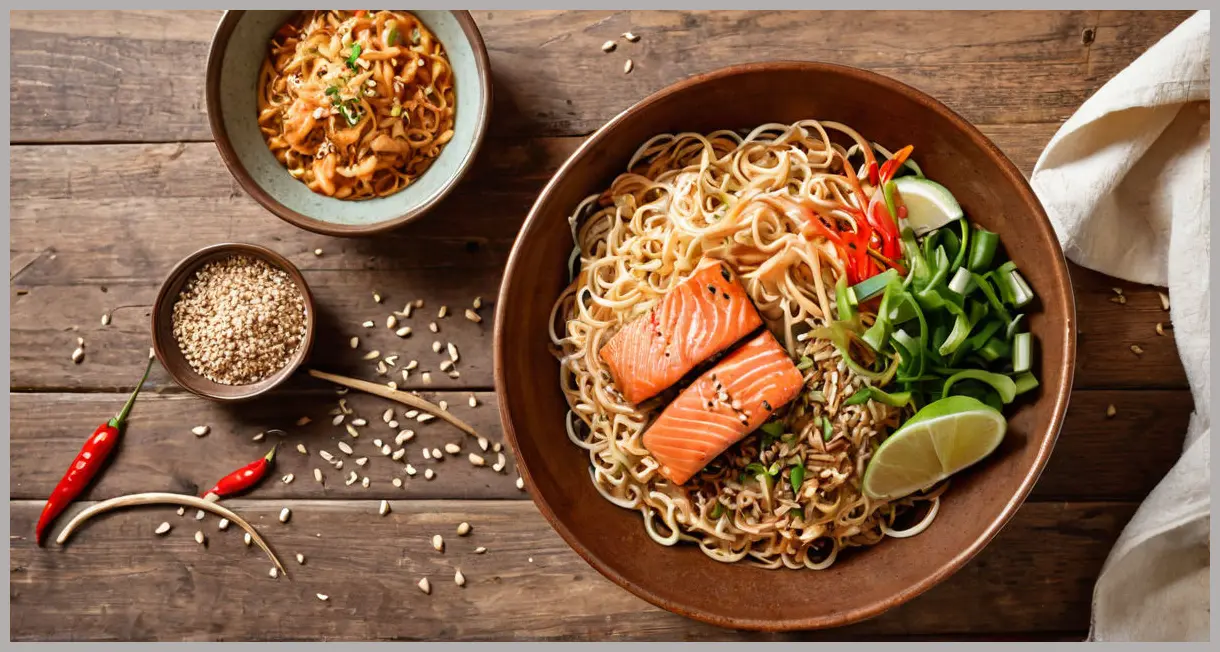
At its core, this dish marries protein, starch, and a bright, aromatic sauce. The salmon, sourced from Wild Alaskan farms, brings a delicate, buttery texture that pairs beautifully with the nutty, slightly sweet sauce. The noodles act as a neutral canvas, absorbing the sauce while adding a satisfying chew. The fresh lime, coriander, and spring onions finish the dish with a zesty, herbaceous lift that keeps the meal from feeling heavy.
Ingredient Highlight
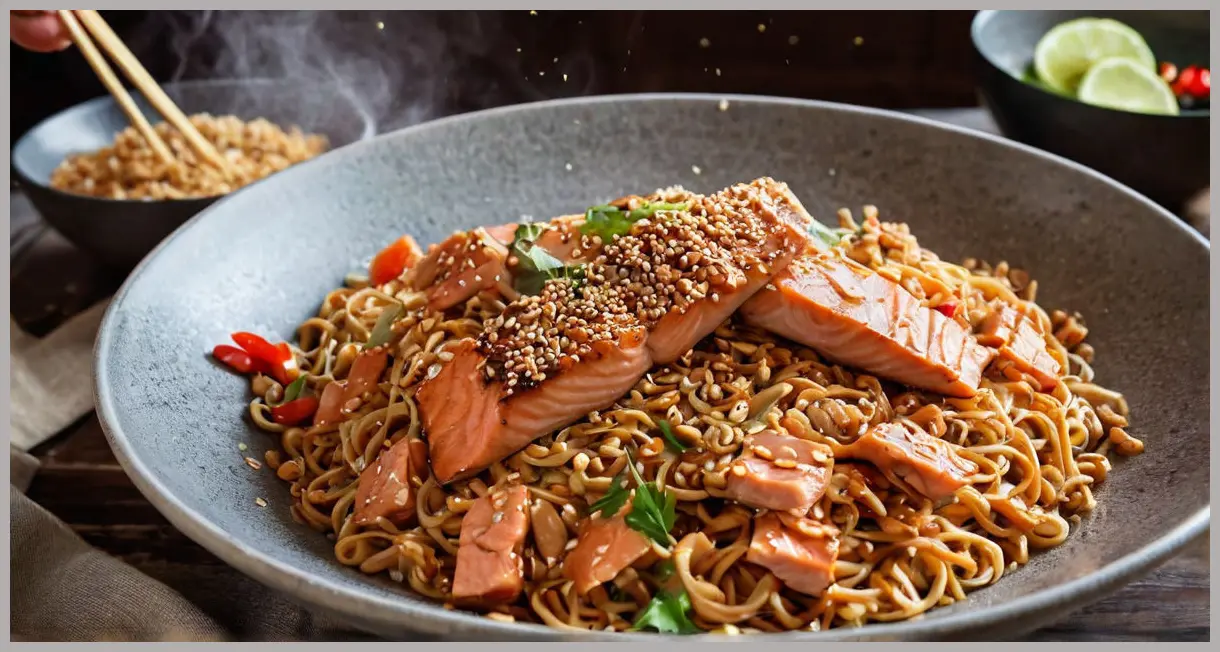
Below is a rundown of each key ingredient, why it matters, and a few tips on how to get the best results.
1. Wild Alaskan Salmon Fillets
- Why it matters: Wild salmon is prized for its natural, robust flavour and higher omega‑3 content compared to farmed fish. Its firm texture holds up well to quick baking, ensuring the fillets stay moist and flaky.
- Tip: Even though the fillets are frozen, they’re ready to go straight into the oven. If you prefer a crispier exterior, consider a quick sear in a hot pan after baking.
2. Toasted Sesame Oil
- Why it matters: Toasted sesame oil is a flavor powerhouse—its nutty aroma cuts through the richness of the salmon and balances the sweetness of peanut butter.
- Tip: Use a small amount (2 tsp total) because it’s potent; it’s also best heated lightly to release its aroma.
3. Peanut Butter
- Why it matters: Peanut butter adds creaminess, a subtle sweetness, and a protein boost. It also thickens the sauce, giving the noodles a luscious coating.
- Tip: Opt for a natural, no‑added‑sugar peanut butter for a cleaner taste. If you prefer a thinner sauce, whisk in a splash of water or extra lime juice.
4. Ginger Paste (or Fresh Ginger)
- Why it matters: Ginger brings a peppery warmth that cuts through the richness of the salmon and balances the sweet notes.
- Tip: Fresh ginger gives a brighter zing, but high‑quality ginger paste works just as well and is convenient.
5. Lime Juice & Wedges
- Why it matters: Lime provides acidity and brightness that lifts the dish, preventing it from feeling heavy. The wedges also let diners adjust the citrus intensity to their liking.
- Tip: Juice a fresh lime for the best aroma. Reserve a wedge for garnish or extra squeezing at the table.
6. Dark Soy Sauce
- Why it matters: Dark soy sauce adds depth, saltiness, and a hint of caramel sweetness that complements the sesame and peanut elements.
- Tip: Use a low‑sodium version if you’re watching salt intake; you can always add a pinch of sea salt later.
7. Ready‑Cooked Egg Noodles (300 g)
- Why it matters: Egg noodles provide a tender, slightly chewy base that soaks up the sauce. Ready‑cooked noodles save time and eliminate the need for boiling.
- Tip: If you prefer fresh noodles, boil them for 3–4 minutes, then rinse under cold water to stop cooking.
8. Red Chili
- Why it matters: The chili adds a touch of heat that contrasts with the sweet and savory sauce.
- Tip: Deseed the chili if you want a milder version; keep the seeds for extra spice.
9. Spring Onions
- Why it matters: Spring onions provide a crisp, mild onion flavor and a pop of green that adds visual appeal.
- Tip: Slice thinly to ensure the heat from the chili and the sauce doesn’t overpower the onion’s subtlety.
10. Fresh Coriander (Cilantro)
- Why it matters: Coriander brings a bright, citrusy note that completes the dish’s fresh profile.
- Tip: Chop roughly; coriander’s oils are best released when added at the end.
Step‑by‑Step Instructions
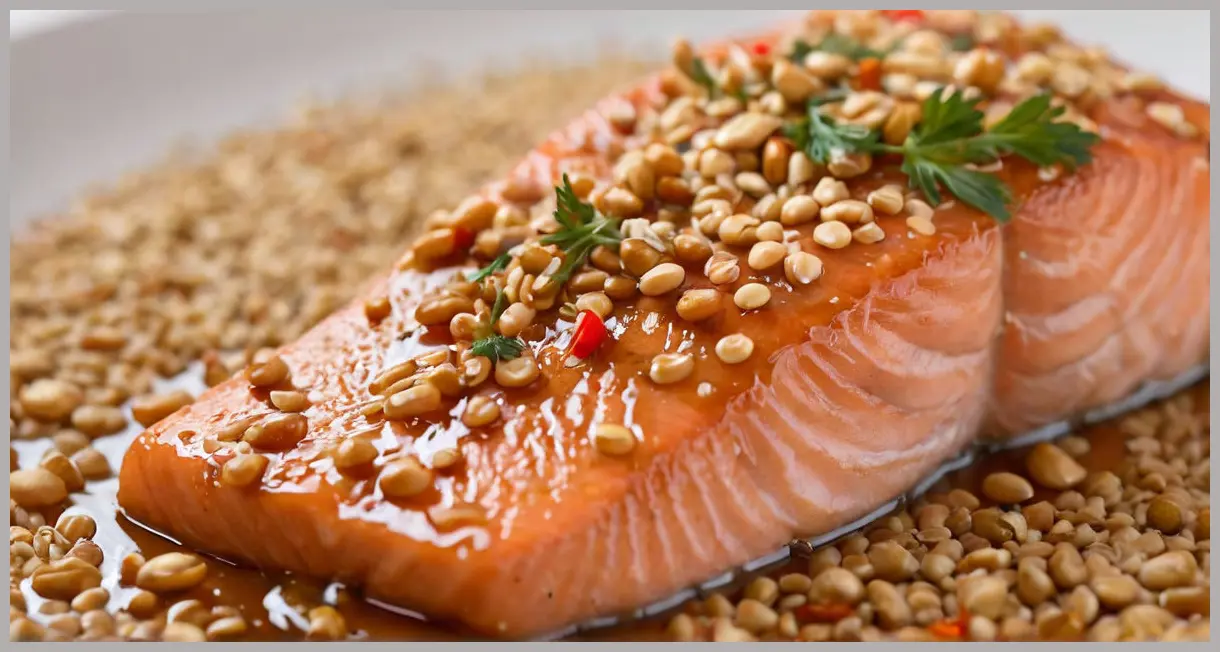
Below is the method distilled into a clear, numbered list. Each step builds on the previous one, ensuring a seamless cooking flow.
- Preheat the oven to 180 °C (fan 160 °C, gas 4). Place the frozen salmon fillets on a baking tray, cover tightly with foil, and bake for 15 minutes or until cooked through, turning over after 8 minutes.
- Whisk the sauce. In a bowl, combine half the toasted sesame oil, peanut butter, ginger paste, lime juice, and dark soy sauce until smooth.
- Heat the noodles. In a large wok, heat the remaining sesame oil, add the ready‑cooked egg noodles with a splash of water, and stir until the noodles are heated through. Remove from heat and toss with the prepared sauce.
- Prep the aromatics. Deseed the chili and slice into strips. Slice the spring onions and coarsely chop the coriander.
- Finish the dish. Remove the salmon from the oven, flake it into the hot, sauced noodles along with the chili, spring onions, and coriander. Serve immediately, offering lime wedges for extra squeezing.
Serving Suggestions & Variations
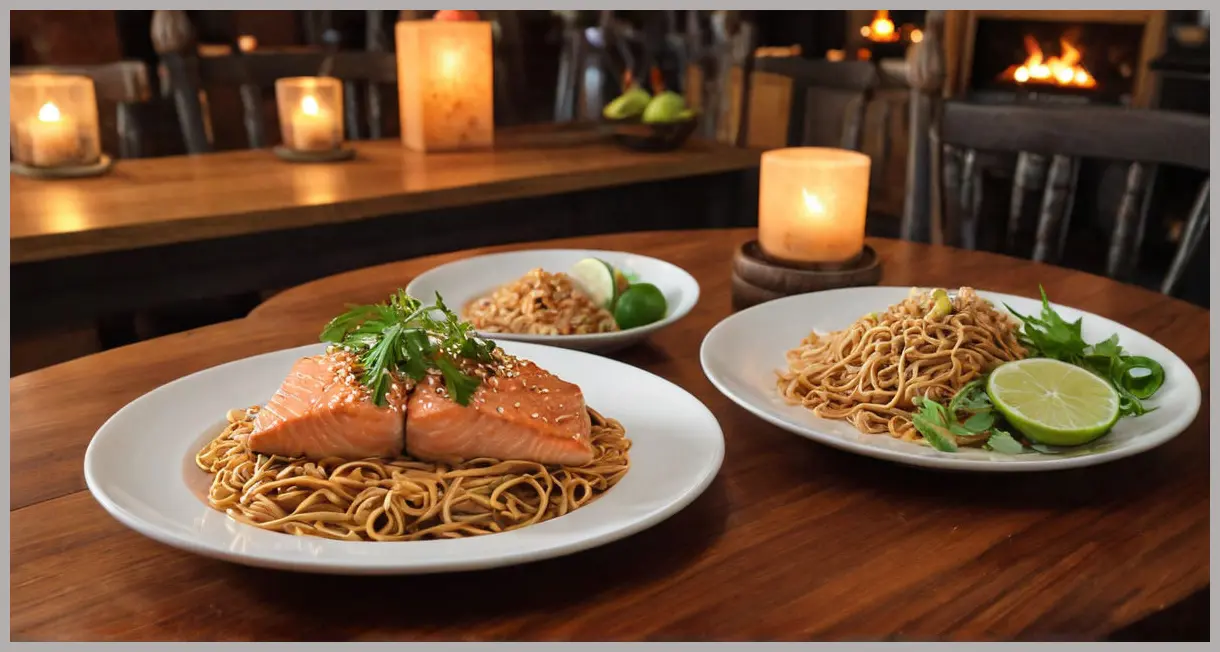
Classic Presentation
- Garnish: Sprinkle additional chopped coriander, a few thin chili slices, and a drizzle of toasted sesame oil over the top.
- Side: Pair with a simple cucumber salad tossed in rice vinegar, a splash of soy sauce, and a pinch of sugar for a refreshing contrast.
- Drink: A chilled glass of jasmine tea or a light white wine, such as Riesling, complements the dish’s bright flavors.
Variation 1 – Crispy Salmon
- Method tweak: After baking, sear the salmon fillets in a hot pan for 1 minute per side to achieve a golden crust.
- Why it works: The added texture enhances the dish’s contrast, especially if you enjoy a slightly caramelized exterior.
Variation 2 – Veg‑Rich Upgrade
- Additions: Toss in a handful of sliced bell peppers, snow peas, or baby bok choy during step 3 when heating the noodles.
- Benefit: The extra veggies boost nutrition and give the dish a more complex color palette.
Variation 3 – Spicy Kick
- Method tweak: Keep the chili seeds and add a pinch of red pepper flakes to the sauce in step 2.
- Result: A fiery, aromatic heat that pairs wonderfully with the nutty base.
Variation 4 – Gluten‑Free Swap
- Swap: Use rice noodles or quinoa noodles instead of egg noodles.
- Tip: Adjust cooking time accordingly; rice noodles may need a shorter simmer.
Variation 5 – Vegan Adaptation
- Protein swap: Replace salmon with marinated tofu cubes or tempeh, baked or pan‑fried.
- Sauce tweak: Use a vegan soy sauce (tamari) and ensure the peanut butter is plant‑based.
- Result: A hearty, plant‑based dish that still delivers the same bright, nutty flavor profile.
Conclusion
Peanut, Sesame and Ginger Noodles with Wild Alaskan Salmon is a masterclass in how simple ingredients, when combined thoughtfully, can produce a dish that feels both exotic and comforting. The recipe’s easy workflow—bake the salmon, whisk the sauce, toss the noodles, and assemble—makes it accessible to cooks at any level. Meanwhile, the fresh, bright accents of lime, coriander, and chili keep the meal lively and satisfying.
Whether you’re preparing a quick weeknight dinner or impressing guests with a flavorful, homemade entrée, this recipe offers flexibility through its suggested variations. Feel free to experiment with different proteins, noodle types, or spice levels to tailor the dish to your taste. The result? A wholesome, balanced plate that showcases the best of quick‑cooking, fresh‑flavor cuisine. Enjoy the process, savor the flavors, and let this noodle‑salmon duet become a staple in your culinary repertoire.


Leave a Reply