
Chinese Noodles with Mushrooms
A fragrant, easy‑going autumn dinner that feels both comforting and sophisticated.
Introduction
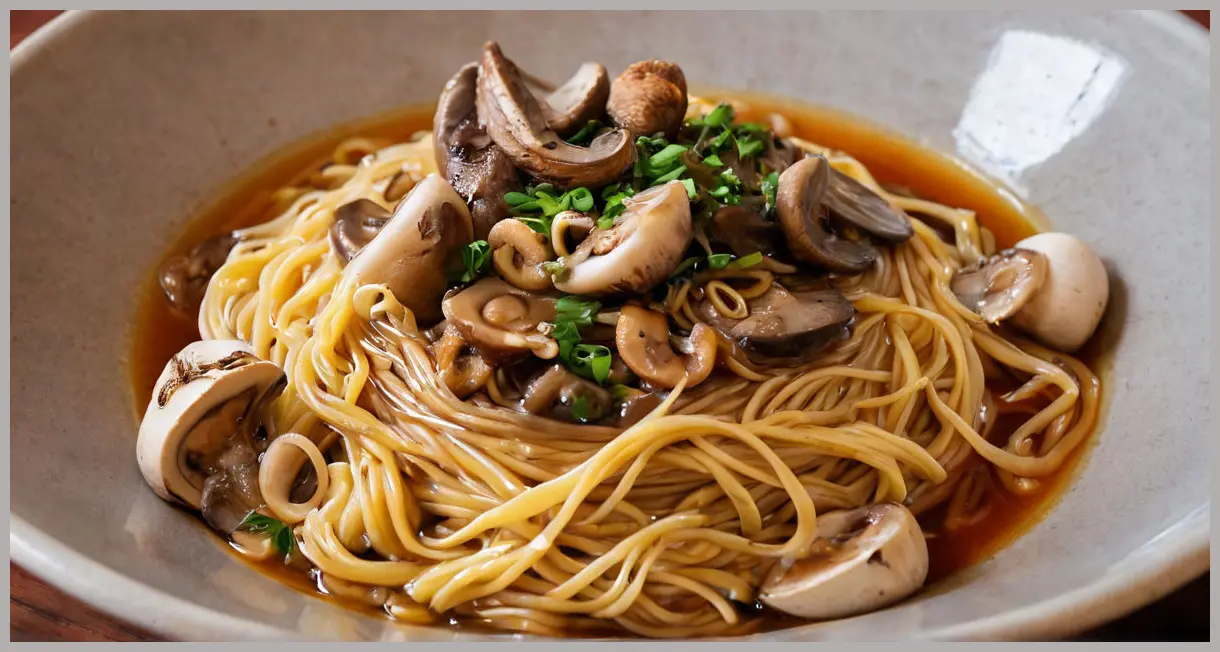
When the air turns crisp and the leaves start to blush, the kitchen becomes a place for hearty, aromatic dishes that warm the soul. If you’re a beginner‑to‑intermediate cook looking for a quick, flavorful meal that won’t leave you buried in a mountain of prep work, this Chinese Noodles with Mushrooms recipe is your new go‑to. It’s a simple, one‑pan wonder that balances umami, spice, and the subtle sweetness of fresh vegetables.
The beauty of this dish lies in its accessibility: only a handful of ingredients, a short hands‑on time of 20 minutes, and a technique that even a novice can master. Whether you’re cooking for a family, impressing a date, or just craving something comforting after a long day, this recipe delivers a bowl of steaming noodles that feels like a gourmet takeout, but at a fraction of the cost and time.
Let’s dive into what makes this dish special, how to choose the right ingredients, and how to elevate it with optional touches that can turn a simple dinner into a memorable experience.
Meal Profile
| Feature | Details |
|---|---|
| Title | Chinese Noodles with Mushrooms |
| Difficulty | Easy |
| Portion | Serves 4 |
| Hands‑on Time | 20 minutes |
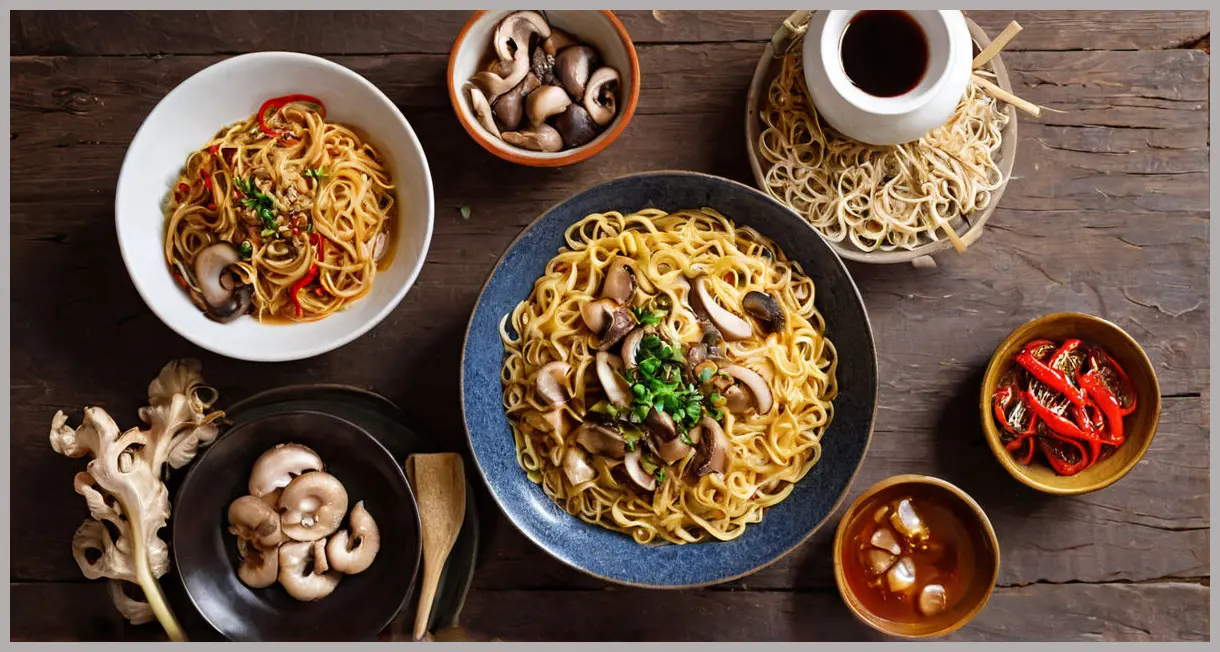
| Description | A fragrant Chinese noodle dish featuring fresh garlic, chilli, ginger, and a medley of mushrooms. The sauce is a quick, savory blend of vegetable stock, shaoxing rice wine, soy sauce, and a hint of sugar, creating a balanced umami profile that pairs beautifully with egg noodles. |
This dish is a textbook example of how a few key flavors can come together to create something that feels both humble and luxurious. The aromatic base of garlic, chilli, and ginger is instantly recognizable in many East Asian cuisines, while the mixed mushrooms add depth and texture. The sauce’s sweetness from caster sugar and the complexity from shaoxing rice wine give it a distinctive character that sets it apart from your typical “quick stir‑fry.”
Ingredient Highlight
Below is the full list of ingredients for Chinese Noodles with Mushrooms. All items are easily found in most grocery stores, and you can swap or omit a few to suit your taste or dietary needs.
| Ingredient | Quantity | Notes |
|---|---|---|
| Vegetable stock | 75 ml | Use low‑sodium or homemade for best flavor. |
| Shaoxing rice wine | 3 tbsp | Adds depth; if unavailable, substitute with dry sherry or a splash of rice vinegar plus a pinch of sugar. |
| Soy sauce | 3 tbsp | Light soy works well; for a richer taste, use dark soy. |
| Caster sugar | 1 tsp | Balances the saltiness; you can use brown sugar or honey as alternatives. |
| Garlic cloves | 2 | Fresh, sliced. |
| Red chilli | 1 | Slice thin for heat; remove seeds for a milder version. |
| Fresh ginger | 2 cm | Grated; ginger’s peppery warmth complements the mushrooms. |
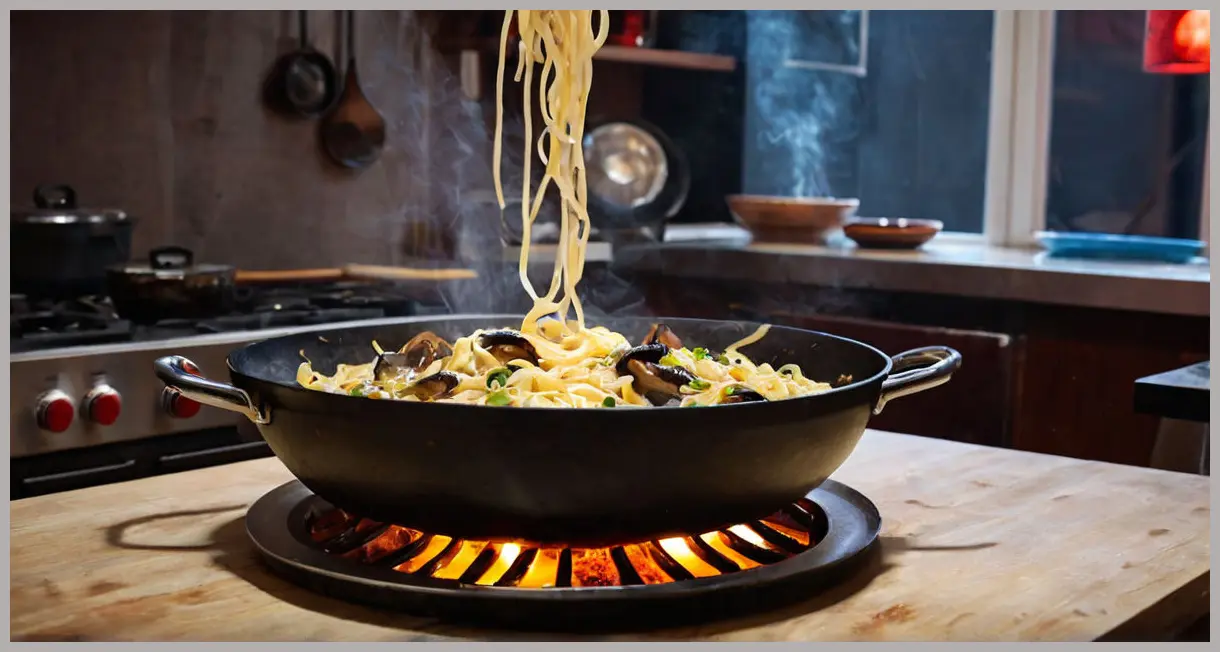
| Mixed mushrooms | 450 g | A blend of oyster, shiitake, and enoki works best; you can also use button, cremini, or portobello if you prefer. |
| Egg noodles | 300 g | Fresh or pre‑cooked; if you’re using dried, adjust the cooking time accordingly. |
| Spring onions | to serve, optional | Thinly sliced for garnish. |
| Toasted sesame oil | to serve, optional | Adds a nutty finish. |
Tips for Selecting Ingredients
- Mushroom Variety – The combination of oyster, shiitake, and enoki gives the dish a range of textures: the oyster’s subtle chew, the shiitake’s meaty bite, and the enoki’s delicate snap. If you can’t find all three, a mix of shiitake and button mushrooms still works wonderfully.
- Noodle Choice – Egg noodles are classic, but you can also use rice noodles, udon, or even spaghetti in a pinch. Just adjust the cooking time and ensure the noodles absorb the sauce.
- Stock Quality – A good vegetable stock is the backbone of the sauce. Homemade stock brings a richer flavor, but a store‑bought low‑sodium option is perfectly fine.
- Rice Wine Alternatives – Shaoxing rice wine is a staple in Chinese cooking. If you don’t have it, a dry sherry or a splash of rice vinegar with a bit of sugar can mimic the sweetness and depth.
Step‑by‑Step Instructions
The following steps faithfully follow the method array provided, but each step is expanded with helpful tips to ensure success.
- Prepare the Sauce Base
- In a small bowl, combine the 75 ml vegetable stock, 3 tbsp shaoxing rice wine, 3 tbsp soy sauce, and 1 tsp caster sugar. Stir until the sugar dissolves completely.
- Slice the 2 garlic cloves and the 1 red chilli into thin rounds. Grate the 2 cm fresh ginger finely. Set all these aromatics aside; they’ll be the flavor foundation of your dish.
- Sauté Aromatics and Mushrooms
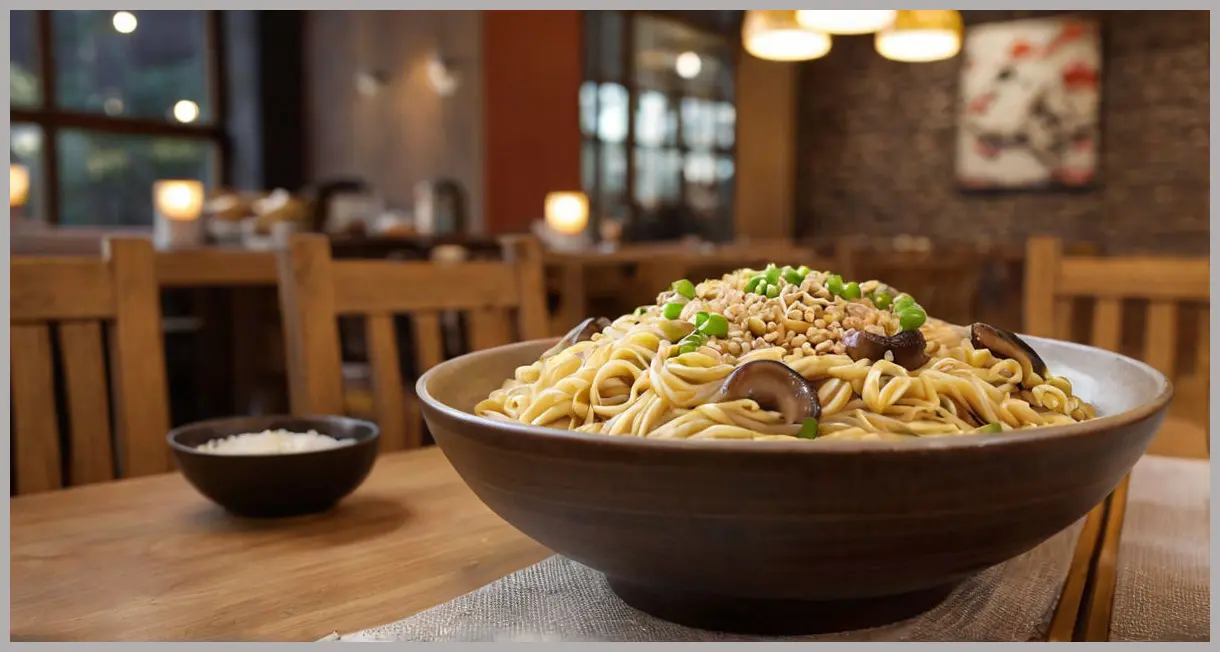
- Heat a wok or large frying pan over high heat and add a splash of vegetable oil.
- Once the oil shimmers, drop in the sliced garlic, chilli, and grated ginger. Stir‑fry for about 30 seconds—just long enough for the aroma to release without browning the garlic.
- Add the 450 g mixed mushrooms. Stir‑fry until they start to brown slightly, usually 2–3 minutes. The mushrooms will absorb the aromatic oils and develop a savory depth.
- Introduce the Sauce
- Pour the pre‑mixed sauce (stock, rice wine, soy sauce, sugar) into the pan. Let it bubble for 1 minute, allowing the flavors to meld and the sauce to thicken slightly. The mushrooms should be coated in the glossy, fragrant sauce.
- Cook the Noodles
- While the sauce simmers, bring a pot of water to a rolling boil. Add the 300 g egg noodles and cook according to the packet instructions (typically 4–6 minutes for fresh noodles).
- Drain the noodles and immediately toss them into the mushroom mixture. Stir vigorously so that each strand is evenly coated. If the sauce feels too thick, add a splash of the reserved vegetable stock or a little water to loosen it.
- Serve Immediately
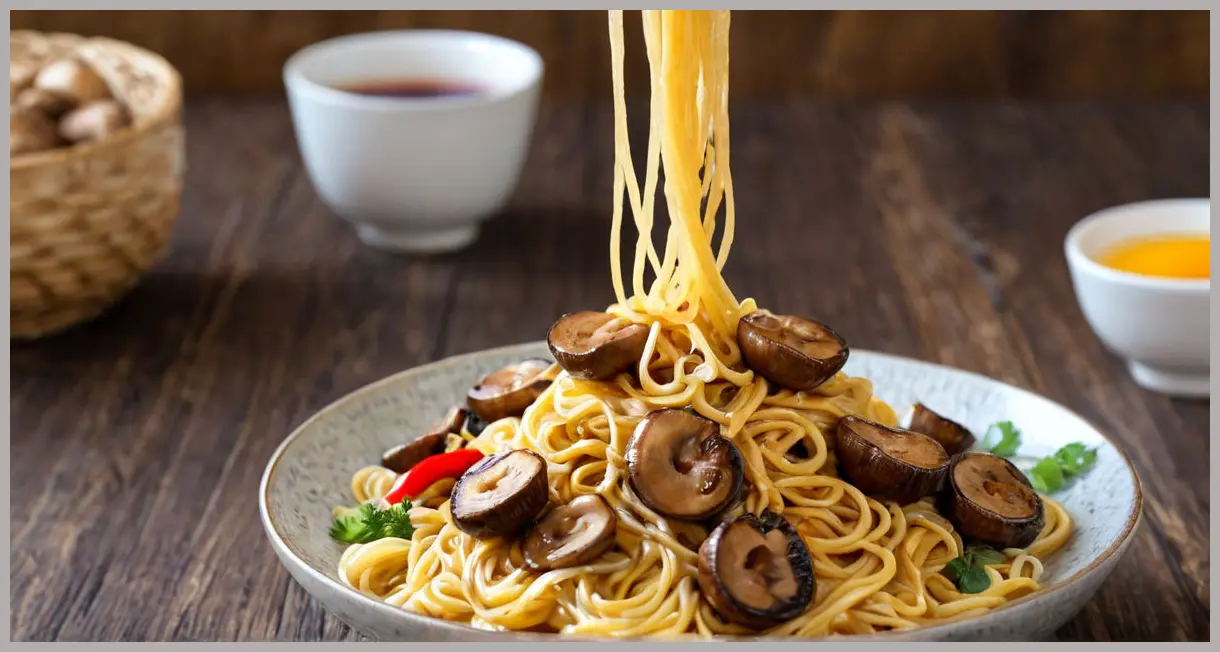
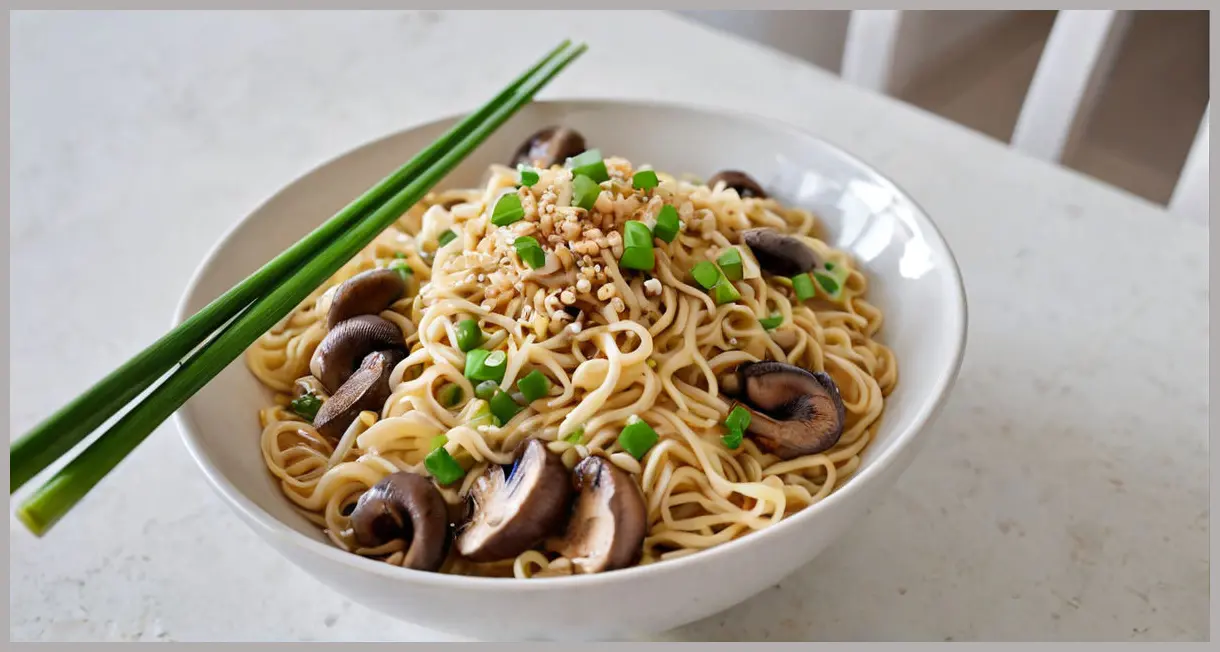
- Plate the noodles hot. Sprinkle with sliced spring onions for a fresh, crisp finish. Drizzle a few drops of toasted sesame oil over the top if desired.
- Serve right away—this dish is best enjoyed warm, with the noodles still slightly chewy and the sauce shimmering.
Serving Suggestions & Variations
Classic Pairings
- Side of Stir‑Fried Greens – A quick sauté of bok choy, Chinese broccoli, or spinach with garlic and a splash of soy sauce complements the noodles without overpowering them.
- Fresh Pickled Vegetables – Thinly sliced cucumber or daikon pickled in rice vinegar and a touch of sugar adds a bright, tangy contrast.
Protein Add‑Ons
- Shrimp or Chicken – Quickly sear peeled shrimp or thinly sliced chicken breast before adding the mushrooms. The protein will absorb the sauce’s umami flavor and make the meal more filling.
- Tofu – Firm tofu, cubed and pan‑fried until golden, can be folded into the dish for a vegetarian protein boost.
Flavor Tweaks
| Variation | How to Implement | Result |
|---|---|---|
| Spicier | Add more chilli slices or a dash of chili oil. | A hotter kick that pairs well with the sweet‑savory sauce. |
| Smoky | Finish with a few drops of liquid smoke or a sprinkle of smoked paprika. | Adds depth reminiscent of smoked meats. |
| Nutty | Toss in toasted cashews or sliced almonds during the final stir. | Provides crunch and a subtle nutty aroma. |
| Herb‑Infused | Add a handful of fresh cilantro or basil just before serving. | Brings a fresh, aromatic lift. |
Making It Gluten‑Free
- Use rice noodles or gluten‑free egg noodles.
- Ensure the soy sauce is gluten‑free (tamari works well).
- Double‑check that your vegetable stock and sesame oil are gluten‑free.
Leftover Ideas
- Mushroom Noodle Soup – Add the leftover noodles to a pot of broth, along with extra veggies or a boiled egg, for a comforting soup.
- Cold Noodle Salad – Toss the noodles with a light vinaigrette (rice vinegar, sesame oil, a touch of sugar) and serve chilled on a plate for a refreshing lunch.
Conclusion
Chinese Noodles with Mushrooms is a testament to how simple ingredients, when combined thoughtfully, can produce a dish that feels both comforting and refined. With an easy preparation time of just 20 minutes, this recipe is ideal for busy weeknights or when you want a quick, satisfying dinner that doesn’t compromise on flavor.
The key to success lies in the balance of aromatics, the quality of your stock and sauces, and the freshness of the mushrooms. Once you’ve mastered the base, feel free to experiment with proteins, additional vegetables, or even different noodle types to keep the dish exciting.
Next time you’re craving something that smells like a bustling night market and tastes like a home‑cooked hug, reach for this recipe. Your taste buds—and your schedule—will thank you. Happy cooking!


Leave a Reply