
Simple Buttercream Icing
Your go‑to frosting for cupcakes, fairy cakes, and birthday cakes – quick, creamy, and utterly delicious.
Introduction
If you’ve ever stared at a plain cupcake and thought, “That could use a little something extra,” you’re not alone. The magic of a good frosting lies not only in its sweetness but also in its texture, flavor balance, and the confidence it gives you as a home baker. For many beginner‑to‑intermediate cooking enthusiasts, the idea of making a professional‑looking icing can feel intimidating—especially when recipes call for obscure ingredients or lengthy, fiddly steps.
Enter Simple Buttercream Icing. This recipe strips away the complexity and delivers a smooth, velvety frosting that can be whipped up in just five minutes of hands‑on time. With just three pantry staples—unsalted butter, full‑fat cream cheese, and icing sugar—you’ll have a versatile topping that works beautifully on everything from petite fairy cakes to a towering birthday cake.
In this post we’ll explore everything you need to know about this approachable frosting: a quick profile of the dish, a deep dive into each ingredient and why it matters, a clear, numbered step‑by‑step guide, and a host of serving ideas and creative variations. By the end, you’ll feel confident enough to swirl, pipe, and spread Simple Buttercream Icing like a pro—no culinary school required.

Meal Profile
| Attribute | Details |
|---|---|
| Title | Simple Buttercream Icing |
| Difficulty | Easy |
| Portion | Makes enough for one large cake |
| Hands‑on Time | 5 minutes |
| Description | A quick and easy buttercream icing recipe – made with icing sugar, butter and cream cheese – to use on cupcakes, fairy cakes or birthday cakes. |
Why This Frosting Stands Out
- Speed without sacrifice – While classic Swiss or Italian buttercreams can take 20‑30 minutes (and sometimes require a candy thermometer), this version reaches a silky finish in the time it takes to brew a cup of tea.
- Balanced sweetness – The combination of butter’s rich, dairy notes with the tang of cream cheese cuts through the sugar, preventing the frosting from feeling cloyingly sweet.
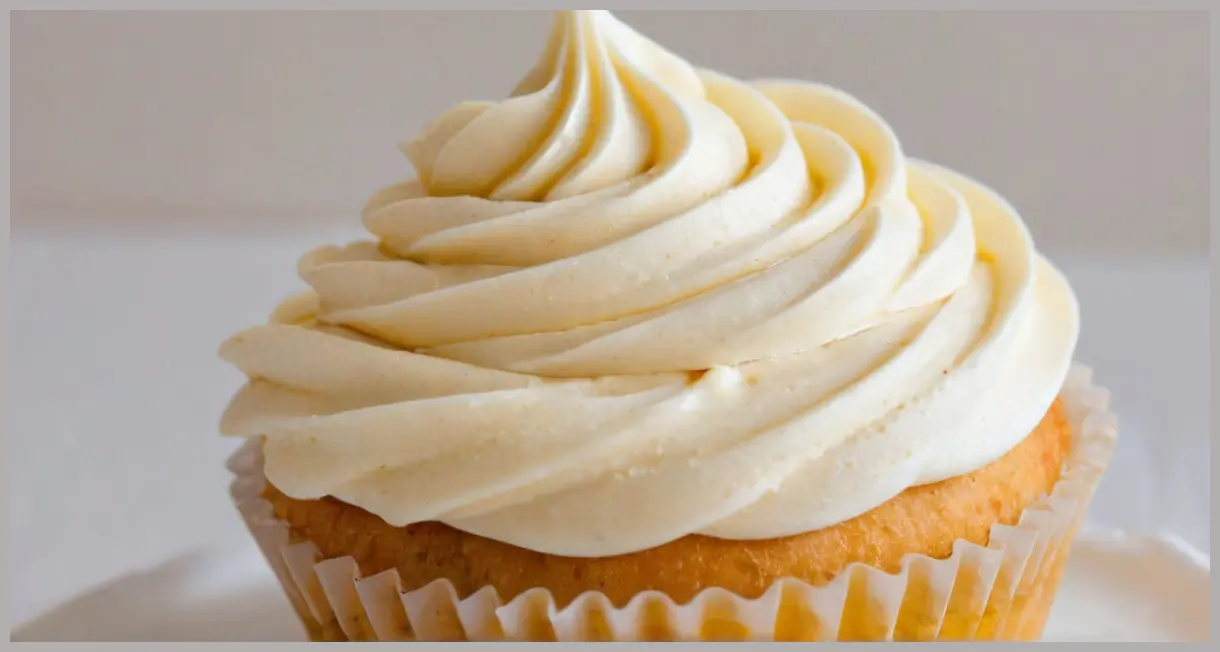
- Texture versatility – Depending on how long you beat it, you can achieve a spreadable frosting for a smooth cake finish, or a stiffer consistency perfect for piping decorative rosettes.
- Ingredient accessibility – All three components are staples in most grocery stores, and you won’t need any special equipment beyond an electric mixer (or a sturdy hand‑whisk if you’re feeling old‑school).
Because the recipe is deliberately simple, it also serves as a solid foundation for experimentation. Want to add a splash of vanilla, a pinch of sea salt, or a swirl of fresh fruit puree? The base is forgiving enough to accommodate those tweaks without collapsing.
Ingredient Highlight
Below is the full ingredient list, presented exactly as it appears in the source data:
- 300 g unsalted butter, at room temperature
- 200 g full‑fat cream cheese, at room temperature
- 500 g icing sugar
1. Unsalted Butter – The Creamy Backbone
Butter provides the luscious mouthfeel that makes any frosting feel indulgent. Using unsalted butter gives you full control over the final salt level, which is especially important when you plan to add a pinch of sea salt later for contrast.
Tips for success:
- Room temperature matters. Butter that’s too cold will create lumps, while butter that’s too warm can become greasy. Aim for a consistency that yields a soft “press‑in” when you tap the surface.
- Quality counts. European‑style butter (often labeled “high‑fat”) contains about 82 % butterfat, delivering a richer flavor and smoother texture than standard 80 % butter.
2. Full‑Fat Cream Cheese – The Tangy Counterpoint
Cream cheese introduces a subtle tang that balances the sweetness of the icing sugar. Its higher fat content also contributes to a stable emulsion, preventing the frosting from weeping (a watery separation that can happen with low‑fat alternatives).
Tips for success:
- Same temperature as butter. Cold cream cheese will cause the mixture to seize, while overly warm cheese can make the frosting too loose.
- Choose a reputable brand. Look for “full‑fat” on the label; “low‑fat” or “light” versions will change both flavor and texture.
3. Icing Sugar – The Sweet Structure
Icing sugar (also called powdered sugar or confectioners’ sugar) is the structural backbone of any buttercream. Its fine texture allows it to dissolve completely, giving the frosting its characteristic smoothness.
Tips for success:
- Sift before adding. Even the most carefully packaged icing sugar can contain clumps. Sifting ensures a lump‑free final product.
- Adjust sweetness. If you prefer a less sweet frosting, you can reduce the amount by up to 10 % without compromising stability.
Optional Add‑Ins (Not in the core recipe but worth noting)
| Add‑In | Amount | Effect |
|---|---|---|
| Vanilla extract | 1 tsp | Enhances aromatic depth |
| Fresh lemon zest | 1 tsp | Brightens flavor with citrus notes |
| Melted dark chocolate | 30 g | Turns the buttercream into a chocolate‑infused version |
| Pinch of sea salt | – | Elevates sweetness and adds a gourmet touch |
Feel free to experiment with these extras once you’ve mastered the base Simple Buttercream Icing.

Step‑by‑Step Instructions
Below is a numbered list that extracts the exact step descriptions from the provided method array. Follow each step carefully for a flawless frosting.
- Put the butter and cream cheese in a mixing bowl (see tips) and beat with an electric mixer until combined and smooth.
- Sift in the icing sugar in batches, beating well between each addition until smooth.
Detailed Walkthrough
- Step 1 – Creaming the dairy: Using a stand mixer fitted with the paddle attachment (or a hand‑held electric whisk), start on low speed to avoid splattering. Once the butter and cream cheese are roughly combined, increase to medium‑high speed. Scrape the sides of the bowl frequently. The mixture should look pale, airy, and free of any visible lumps—this usually takes about 1‑2 minutes.
- Step 2 – Incorporating the sugar: Measure the icing sugar into a fine‑mesh sieve. Add a small portion (about 1/3 of the total) to the bowl, then beat on low speed until the sugar is fully incorporated. This prevents the sugar from flying out of the bowl and creating a cloud of powder. Once the first batch is smooth, repeat with the second and third batches, each time beating on medium speed until the frosting reaches a glossy, velvety consistency. If the frosting appears too thick, you can add a splash of milk or heavy cream (1‑2 tsp) to loosen it; if it’s too soft, add a bit more sifted icing sugar.
Pro tip: For an ultra‑smooth finish, run the finished buttercream through a fine‑mesh sieve (or a food mill) before spreading or piping.
Serving Suggestions & Variations
Now that you have a batch of Simple Buttercream Icing ready, the fun truly begins. Below are several ideas to showcase this frosting in different contexts, along with creative twists to keep your baking repertoire fresh.
Classic Applications
| Application | How to Use | Why It Works |
|---|---|---|
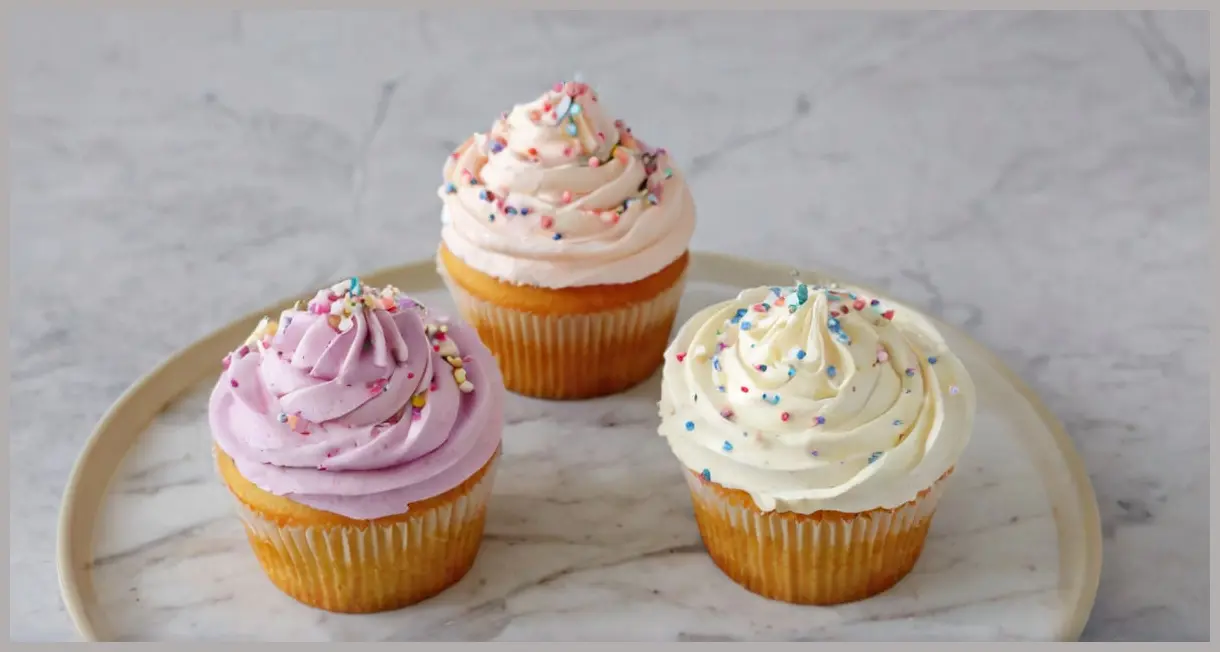
| Cupcakes | Pipe a swirl using a star tip, then garnish with sprinkles. | The frosting’s stability holds its shape, and the tangy cream cheese cuts the cupcake’s sweetness. |
| Fairy Cakes | Spread a thin layer with an offset spatula for a “naked” look. | The smooth surface creates a delicate, elegant finish suitable for tea parties. |
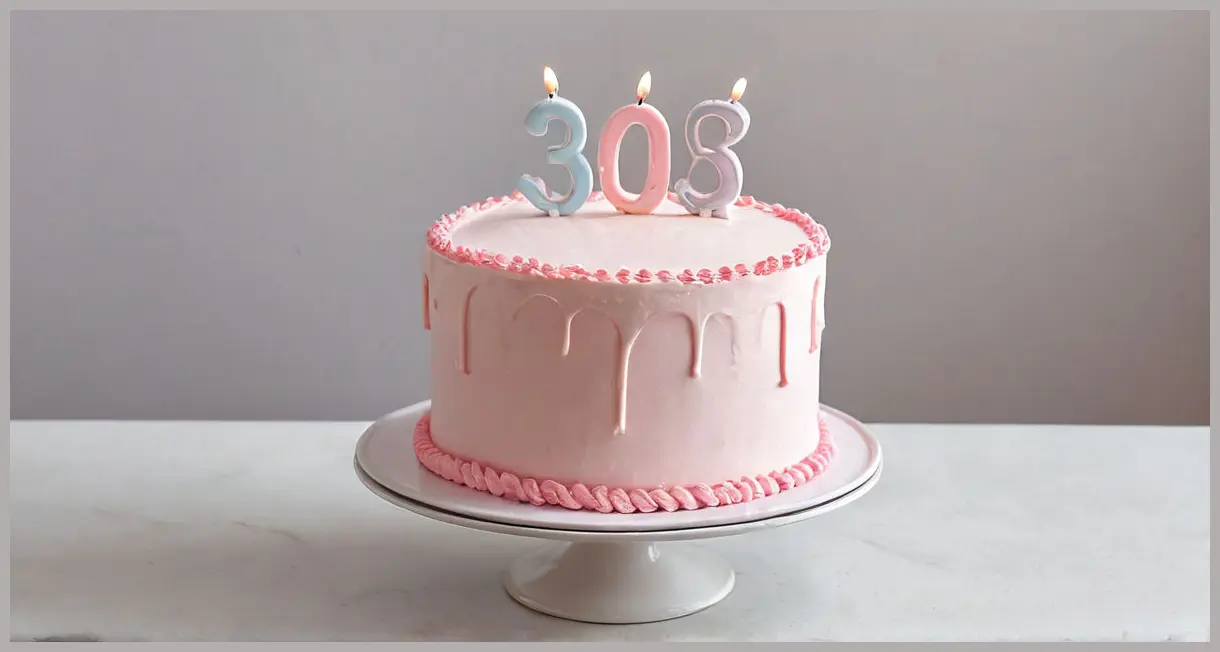
| Birthday Cakes | Apply a crumb coat, chill, then add a final thick layer for a polished appearance. | The frosting’s richness pairs perfectly with layered sponge or chocolate cake. |
Flavor‑Boosted Variations
- Vanilla Bean Buttercream – Add 1 tsp pure vanilla extract and scrape the seeds from one vanilla bean into the butter‑cream mixture during Step 1.
- Citrus Zest Buttercream – Incorporate 1 tsp finely grated lemon or orange zest after the sugar has been fully blended. The citrus aroma lifts the frosting, making it ideal for a summer fruit cake.
- Chocolate Buttercream – Melt 30 g dark chocolate, let it cool to room temperature, then fold it in after Step 2. The result is a rich chocolate‑cream frosting that still retains the signature tang of cream cheese.
- Salted Caramel Swirl – Drizzle 2 tbsp homemade or store‑bought salted caramel over the frosting and use a skewer to create a marble effect. The salty‑sweet contrast is a crowd‑pleaser.
Dietary Tweaks
- Gluten‑Free – Naturally gluten‑free; just ensure any added decorations (like sprinkles) are certified gluten‑free.
- Lactose‑Reduced – Substitute the butter with a lactose‑free plant‑based butter and use a lactose‑free cream cheese alternative (available in many health food stores). The texture may be slightly softer but still spreadable.
Presentation Ideas
- Rosette Pipings: Use a large star tip (e.g., Wilton 1M) to pipe elegant rosettes on top of each cupcake. Finish with a dusting of edible glitter for a festive look.
- Painted Frosting: Dilute a small portion of the buttercream with a few drops of milk, then use a clean brush to “paint” abstract designs on the cake surface.
- Layered Frosting: Alternate thin layers of plain Simple Buttercream Icing with fruit jam (strawberry, raspberry) for a surprise burst of flavor in each bite.
Conclusion
Creating a frosting that feels both luxurious and approachable doesn’t have to be a culinary myth. Simple Buttercream Icing proves that with just three everyday ingredients—unsalted butter, full‑fat cream cheese, and icing sugar—you can craft a versatile, silky topping that elevates any baked good. Its easy difficulty level, modest hands‑on time of 5 minutes, and generous portion (enough for one large cake) make it an ideal first‑stop recipe for beginners while still offering enough depth for intermediate bakers to experiment and personalize.
Remember the key takeaways:
- Keep butter and cream cheese at room temperature for a flawless emulsion.
- Sift the icing sugar and add it gradually to avoid lumps.
- Adjust consistency with a splash of milk or a pinch more sugar, depending on your intended use.
Armed with this knowledge, you’re ready to frost cupcakes, dress fairy cakes, or crown a birthday celebration with confidence. So grab your mixer, measure those ingredients, and let the sweet, tangy, buttery goodness of Simple Buttercream Icing transform your next baking adventure. Happy frosting!


Leave a Reply