
Raspberry and Lemon Sponge Cake
A Beginner‑Friendly, Lemony Twist on a Classic Victoria Sponge
Introduction
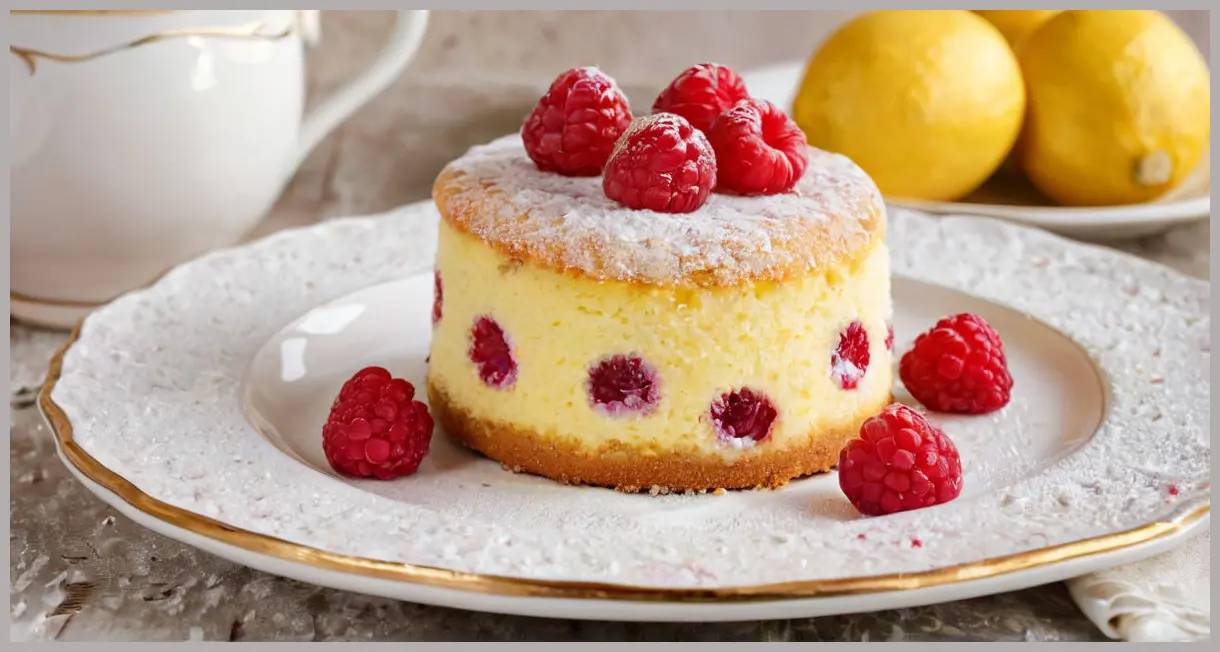
If you’re looking for a show‑stopper that’s quick, fuss‑free, and guaranteed to impress, look no further than the Raspberry and Lemon Sponge Cake. With its bright citrus notes, airy sponge, and luscious raspberry filling, this treat is perfect for teatime, Mother’s Day, or any celebration that deserves a splash of flavour. Swearing a simple “easy” recipe, it actually delivers indulgence without demanding advanced baking chops. In this post, we’ll walk you through the entire process—from picking out ingredients to plating a finished cake that feels polished even if you’re new to the kitchen.
Crafted by hand and cooked with love, this cake is a true testament to the magic a few fresh ingredients can create.
Meal Profile
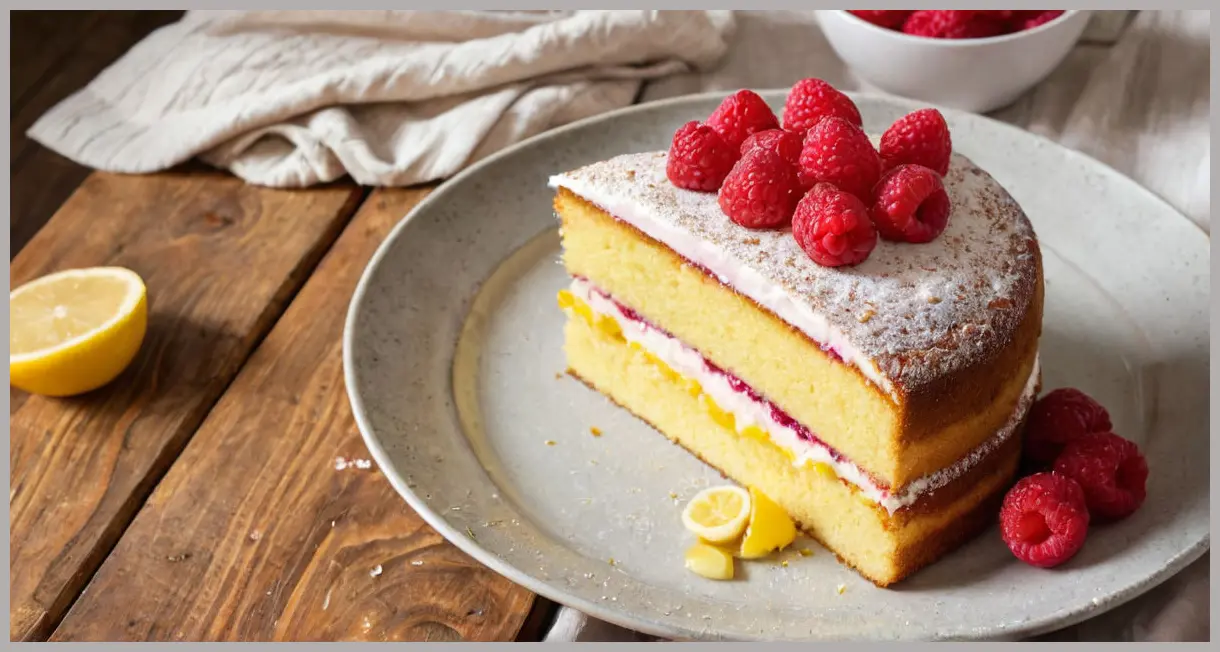
The Raspberry and Lemon Sponge Cake is a modern take on the perennial favourite, the Victoria sponge. While the classic version is two plain sponge layers with jam and cream, this variant shifts the spotlight to a zesty lemon base and a tangy raspberry center. Here’s what you can expect:
| Feature | Details |
|---|---|
| Difficulty | Easy – the steps are straightforward, and the ingredients are pantry staples. |
| Portion | Serves 8‑10 people, perfect for a family gathering or small party. |
| Time | 30 min hands‑on prep, 30 min bake, plus cooling time. Total window: ~1 hour. |
| Flavor Profile | Bright lemon zest and juice, silky butter, soft vanilla‑infused sponge, sharp raspberry jam, airy double‑cream, and a gentle dust of icing sugar. |
| Occasions | Teatime treat, Mother’s Day dessert, afternoon tea, brunch fillers, post‑pancake cafe‑style dessert. |
The recipe starts with a buttery lemon sponge—soft and fragrant—and finishes with a luscious raspberry‑cream filling that’s visually striking and weightless. It is a great way to introduce non‑citrus and non‑berry flavors into home baking without a steep learning curve.
Ingredient Highlight
Discover why each ingredient is chosen and how it contributes to the cake’s final magic. For each item, we’ll give you a culinary tip or two that can help you tweak the recipe right in your kitchen.
| Ingredient | Role in the Cake | Practical Tips & Substitutions |
|---|---|---|
| 225 g butter, softened | Provides richness, keeps the sponge moist, and serves as the main structure. | Butter should be at room temperature (soft but not melted) to beat well with sugar. If you prefer a dairy‑free version, use a neutral‑flavour, plant‑based butter or coconut oil melted and cooled. |
| Grated zest of 2 lemons | Delivers citrus aroma and funk; the zest’s oils lift the entire cake. | Lemon zest, not peel, creates bright punch. If you’re allergic to citrus, skip it and instead add a splash of vanilla or almond extract—will change flavour but keep richness. |
| 225 g golden caster sugar | Sweetens the batter while contributing to tender crumb through sugar syrup. | Use caster or superfine sugar for a smoother finish. Traditional white granulated sugar will crystallise slightly, giving “kicker” if you want. |
| 4 large free‑range eggs | Provide structure (via eggs whites) and lift (via whites). | Fresh eggs hold their air better. You can use pasteurised eggs if safety is a concern; for a vegan take, experiment with flax egg (1 tbsp flaxseed + 3 tbsp water per egg). |
| 225 g self‑raising flour | Gives the cake volume and a slightly lighter texture. | This pre‑measured blend means no “get it right” for the baking powder. If you have plain flour, mix 225 g with ½ tsp baking powder. |
| ½ tsp baking powder | Assists lift and creates airy bubbles during baking. | Must add in early or you risk “flat” cake. Do not use baking soda; soda is far stronger and will produce a soapy taste. |
| Handful fresh raspberries | Adds a splash of real fruit for fresh tartness and garnish. | If out of season, freeze raspberries and thaw before use. Use thawed berries for fresh‑like texture. |
| Juice of 2 lemons | Balances sweetness, lends brightness, and wholesomely intensifies the lemon theme. | Do not measure for acidity; the lemon’s tartness can be a taste test for you. |
| 3 tbsp icing sugar, plus extra for dusting | Gives a dry, sweet exterior after cooling, and also part of the lemon icing. | After whisking into lemon juice, it creates a simple glaze. Additional icing sugar flicked over finishes the look familiar of a Victoria sponge. |
| 400 ml pot double cream | Provides an airy, silky filling that complements the raspberries. | If double cream isn’t available, cream of 35‑40% fat along with 2 tsp whipped cream stabiliser works. For vegan, try coconut cream (whip and chill). |
| 3 tbsp raspberry jam | Adds a luscious swirl, giving sweetness, color, and a glossy finish. | Choose a fine‑grained jam for a smoother swirl; jam with higher anthocyanin content creates a beautiful deep purple ribbon. |
Quick note for batch‑making: Vegetative‑ingredients show
something is best when they’re like this. If you want to try a
different flavour, just swap in the appropriate ingredient and reduce the
mite of details.
Step‑by‑Step Instructions
Below, I’ve translated the method into a simple numbered list. Pay close attention to each step; the delicate balance of “beat”, “fold” and “mix” will backbone the cake’s success.
-
Preheat the oven to 180 °C (fan 160 °C) or gas mark 4. Grease two 20 cm round tin bottoms and line the bases with baking paper. Place this helper setup aside—first things first.
Tip: Lining ensures an effortless release; you’ll be able to flip the sponge free of the paper without tears. -
Whisk butter, lemon zest and sugar together with a wooden spoon or electric whisk until the mixture is soft and creamy. Mind the texture: it should be light and flakey, not too dense.
Tip: Add all sugar to butter beforehand; this ensures the butter remains envelope‑like, preventing lumps. -
Incorporate the eggs sequentially. Beat one egg through; add another, continue until all four have been integrated. When the last egg is gone, add a couple of spoonfuls of the flour to keep the mixture from curdling.
Tip: If the mix feels a bit runny, let them sit a few minutes before adding the next egg—the proteins coagulate better. -
Sift the remaining flour and baking powder into the mixture. Using a metal spoon, fold in gently. Visual cue: lift the mixture, rotate 90 degrees, and gently fold from the bottom to the top.
Tip: Folding is all about preserving the aerated structure; avoid shaking or whisking harshly. -
Divide into tins. Pour the batter evenly into the prepared rounds. Bake for 20–25 minutes. Important: avoid opening the oven door until the bake is finished—title indicates they may not rise properly otherwise.
Tip: Use the skewer test: a skewer comes out clean when done. If it’s slightly wet on the tip, it’s ready. -
Make lemon icing. Juice 2 lemons; sift over icing sugar, whisk until thick and glossy. Poke holes over the cakes with a skewer, then drizzle your glaze, ensuring it seeps through the slits.
Tip: Decant the glaze into a jar; this allows you to drizzle as you like when the cakes cool. -
Cool the cakes. Once glazed, let them rest on a rack; peel off the paper and continue to cool. While this timpany, you’re about to create a decadent filling.
-
Whip the cream. In a clean bowl, whip the double cream until soft peaks form. Fold in the raspberry jam until the swirl effect is achieved—a subtle swirl of jiggling jam that masks its full integration.
Tip: Mixing too overtly will smash the jellied structure, causing a lumpy texture. -
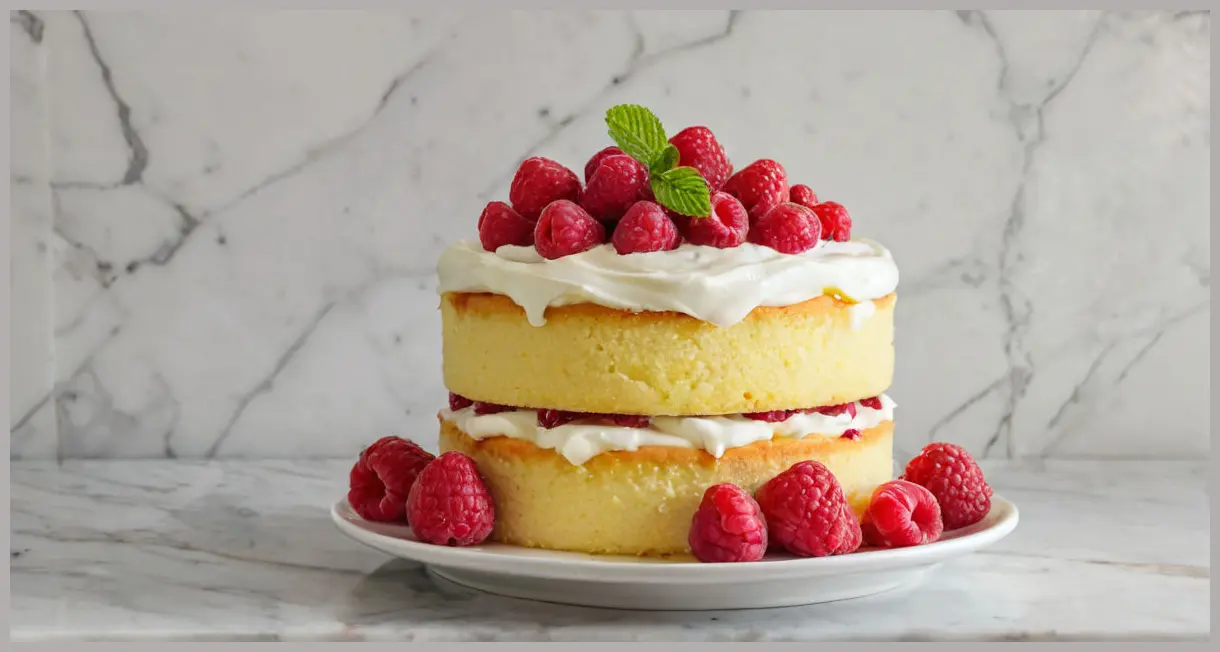
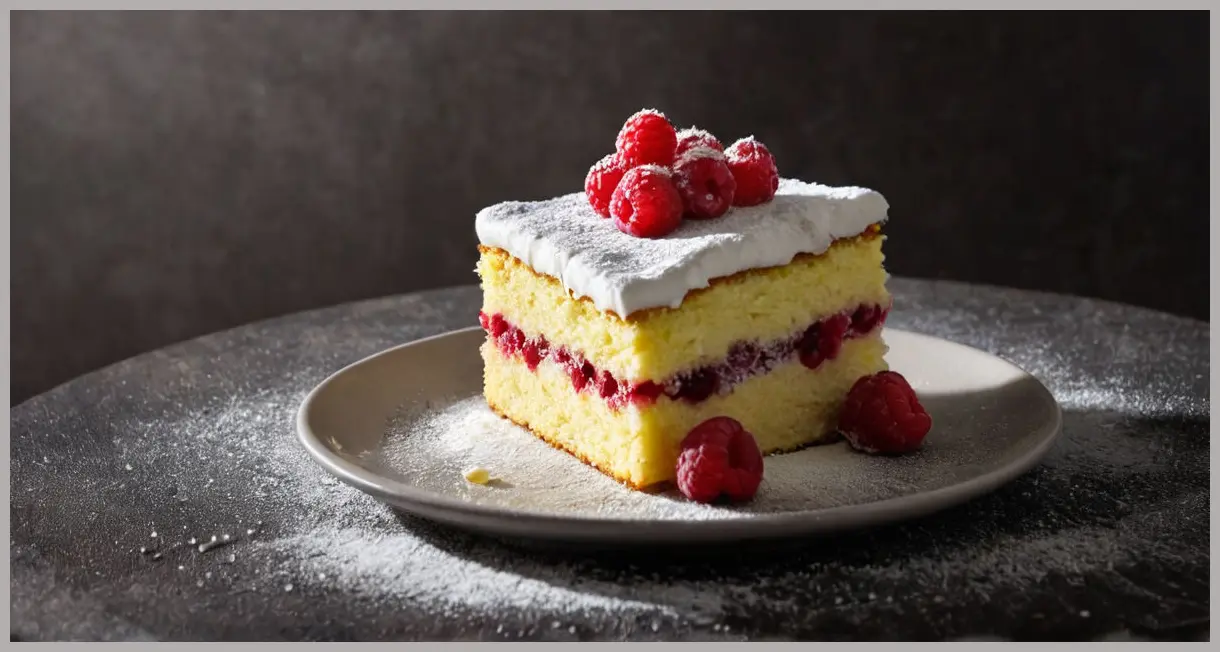
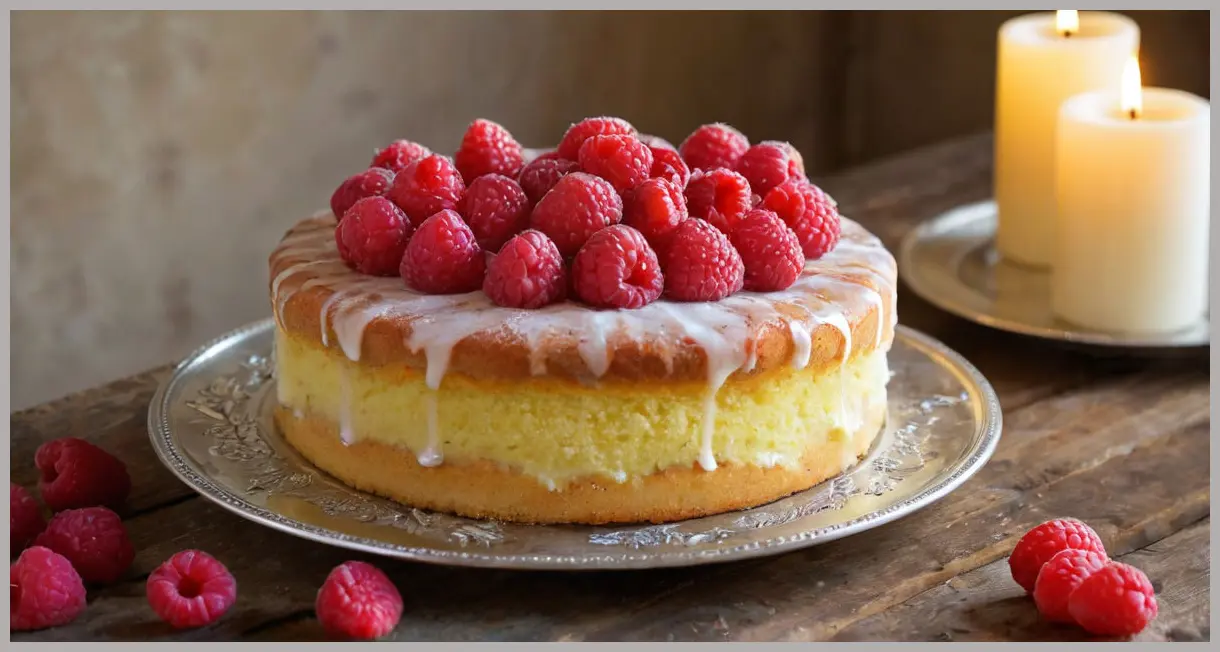
Assemble. Spread a generous layer of raspberry‑cream onto one cake, top with the second cake. Dust the topmost layer with icing sugar, then crown it with a handful of fresh raspberries.
Tip: A glass of chilled champagne or sparkling wine intensifies the freshness; a neutral-scented wine suggest a bubbly enhancement that keeps the citrus mood.

Serving Suggestions & Variations
When you finish building the cake, the real fun begins—how you present it, or what you can tweak. The following ideas cater to beginners yet allow creative freedom.
Classic Presentation
- Place the completed cake on a polished white plate.
- Layer raspberry cubes or whisked berries on top for instant pop.
- Give the top an extra dusting of icing sugar—it lifts the shine.
Tweaks for the Adventurous
| Variation | How to Do It | Why It Works |
|---|---|---|
| Add a hint of almond | Sift 2 tsp almond extract into the lemon glaze. | Almond harmony with citrus keeps the palate balanced. |
| Swap jam for strawberry | Use same technique but substitute with strawberry jam. | Keeps the colorful swirl and offers a slightly sweeter pair. |
| Embrace dark chocolate | Spread melted dark chocolate over the top after assembly. | Adds bitterness which counterbalances the tartness of lemon & raspberry. |
| Extra cloud of foam | Whip cream to soft peaks, fold into the lemon glaze, and drizzle. | Creates an airy twirl, like the original Victoria sponge’s lightness. |
| Introduce breakfast flair | Add a small vanilla bean to the batter. | Vanilla pronounces the butter and gives an intoxicated depth. |
Meal & Pairing Ideas
| Meal | Pairing Suggestions | Why? |
|---|---|---|
| Afternoon Tea | Earl Grey, cucumber or oat milk tea, subtle mint cookies. | Summer but is permissible by freshness. |
| Grown‑Up Brunch | Sparkling wine, lemon‑infused honey yogurt, toasted bagels. | Classic + refinement. |
| Celebration dessert | A fine cognac glaze, crème brûlée dusting. | Levels up the typical. |
Storage & Reheating
- At room temperature: Place inside an airtight container; the cake holds up to 2 days.
- Refrigeration: Keep in the fridge for 3–4 days; this slows the crumbs from drying.
- Reheating: If you want a warm sensation, run the cake in a 150 °C oven for 5 min; be careful not to over bake.
- Freezer: Wrap each cake tightly with cling film and freezer paper; thaw overnight in your fridge before serving.
Conclusion
The Raspberry and Lemon Sponge Cake delivers at every level: visually stunning, fragrance‑tinged, texturally light, and profoundly flavourful. It is a canvas that supports many flavors, yet it remains firmly in the realm of beginner‑friendly baking thanks to its straightforward technique and pantry‑friendly ingredients.
By keeping an eye on the interplay of ingredients—particularly butter, sugar, egg, and the right leavening—and taking transition steps from butter‑sugar cream to folding in flour, you create a fondlage that rises beautifully, yet crisply. The combination of lemon and raspberries offers a palette that is both soothing and celebratory—an excellent choice for those who want to treat their loved ones to something delicious without a steep learning curve.
Remember: Baking is as much intuition as it is recipe. Read ahead, measure accurately, and most importantly, trust the process. When the first layer of mosaic cream dips into your cup of tea or coffee, you’ll know the effort was worth it.
Happy baking, and may every slice of your Raspberry and Lemon Sponge Cake satisfy the sweet craving of your guests, no matter how seasoned they are in the kitchen!


Leave a Reply