
Lemon and Coconut Cake: A Bright, Easy‑Going Dessert for Every Occasion
Posted on [Date]
Introduction
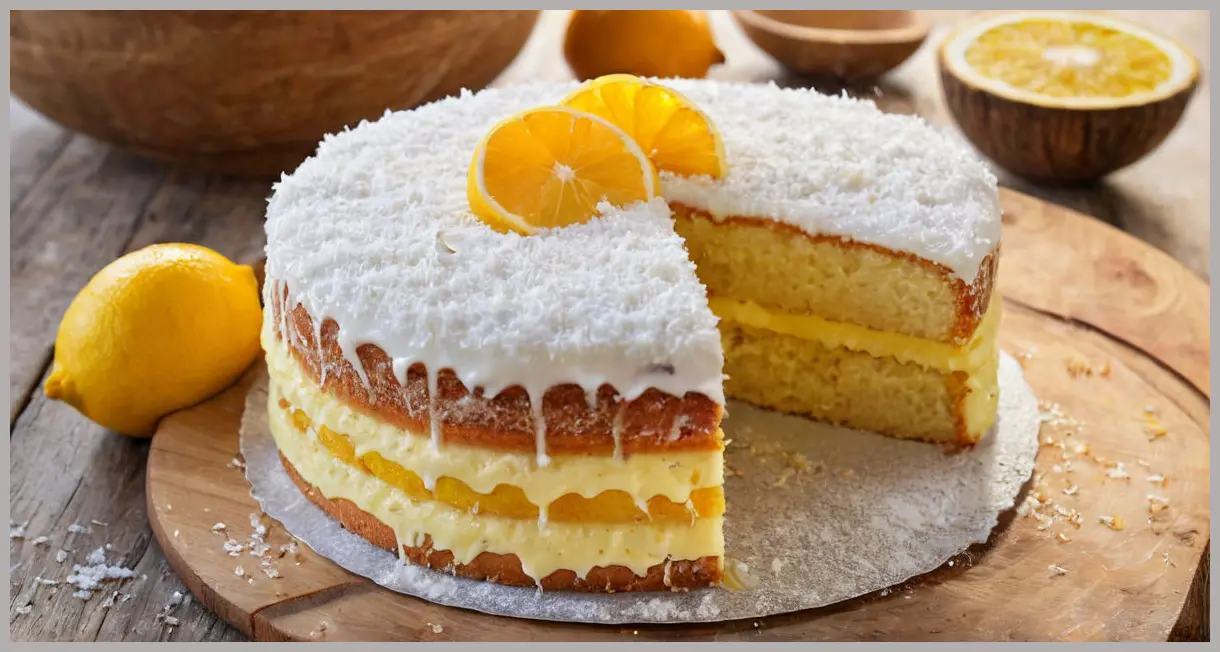
If you’ve ever dreamed of a dessert that feels both indulgent and breezy, the Lemon and Coconut Cake is your ticket to that sweet spot. Imagine the zing of fresh lemon curd meeting the tropical silk of coconut cream, all wrapped in a light, fluffy sponge that practically bakes itself. This recipe is deliberately crafted for beginner‑to‑intermediate cooking enthusiasts, meaning you won’t need a culinary degree to pull it off—just a few basic tools, a dash of confidence, and a love for bright flavours.
In this post we’ll walk through everything you need to know about this delightful cake: from its overall profile and the star ingredients that make it shine, to a step‑by‑step guide that demystifies the baking process. We’ll also sprinkle in serving ideas, creative variations, and a few pro tips to help you perfect the texture and presentation. By the end, you’ll feel ready to bake, serve, and proudly share a Lemon and Coconut Cake that looks as good as it tastes.

Meal Profile
| Attribute | Details |
|---|---|
| Title | Lemon and Coconut Cake |
| Difficulty | Easy |
| Portion | Serves 8 |
| Time | Takes 25 minutes to make, 25‑30 minutes to bake, plus cooling time |
| Description | Good lemon curd gives this easy sponge cake recipe the edge. Bake it and enjoy for dessert or with an afternoon cuppa. |
| Cuisine | British‑inspired cake with tropical accents |
| Course | Dessert / Tea‑time treat |
| Key Flavours | Zesty lemon, creamy coconut, subtle buttery sweetness |
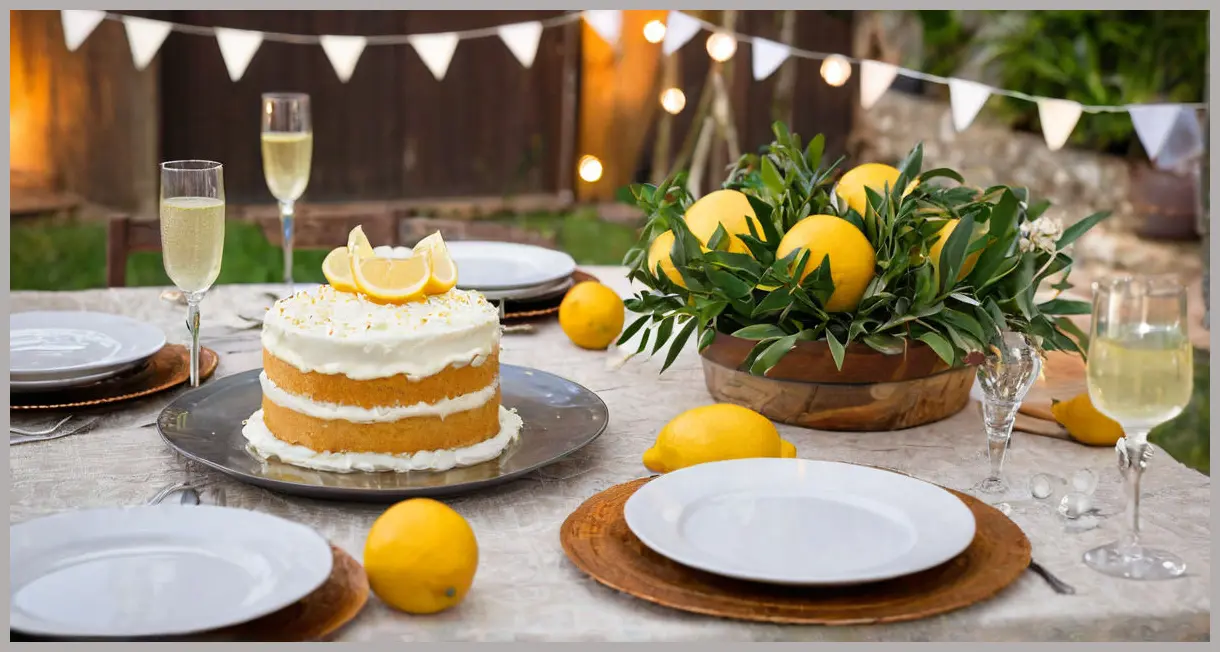
This cake is a perfect match for a relaxed weekend brunch, a garden party, or a cozy evening with a cup of tea. Because the sponge is light and the filling is not overly sweet, it pairs beautifully with a strong black tea, a fruity white wine, or even a sparkling non‑alcoholic spritzer.

Ingredient Highlight
Below is the complete ingredient list. Each component has been chosen not only for flavour but also for texture, structure, and ease of handling.
- 125 g unsalted butter, softened, plus extra for greasing – Provides richness and helps the sponge rise gently.
- 225 g golden caster sugar – Gives the cake its delicate sweetness and a tender crumb.
- Finely grated zest of 1 lemon – Delivers aromatic citrus oils that brighten every bite.
- 100 ml coconut cream (first addition) – Adds moisture and a subtle tropical note to the batter.
- 4 medium eggs, beaten – Acts as a leavening agent and binds the batter together.
- 225 g self‑raising flour, sifted – The built‑in leavening ensures the sponge stays fluffy without extra baking soda.
- 1 tsp baking powder – Gives the cake an extra lift, especially important when using coconut cream.
- 150 g good‑quality lemon curd – The star of the filling; its tangy sweetness balances the coconut richness.
- 142 ml carton double cream – Forms the base of the creamy frosting.
- 100 ml coconut cream (second addition) – Intensifies the coconut flavour in the frosting and helps it stay stable.
- Icing sugar, to dust – Adds a final decorative sparkle and a hint of extra sweetness.
- Yellow primroses, optional, for decoration – Edible flowers that lend a pop of colour and a touch of elegance (ensure they are pesticide‑free).
Why These Ingredients Matter
- Butter vs. Margarine – Using real butter gives a richer mouthfeel and a more pronounced flavour than alternatives.
- Golden Caster Sugar – Its fine crystals dissolve quickly, preventing a grainy texture.
- Coconut Cream – Unlike coconut milk, coconut cream has a higher fat content, which contributes to a moist crumb and a luxurious frosting.
- Lemon Curd – Opt for a high‑quality, store‑bought curd or make your own for a fresher taste. The curd’s natural pectin helps the filling set without the need for gelatin.
- Self‑Raising Flour – Guarantees consistent rise; if you only have plain flour, add 2 tsp of baking powder per cup of flour.

Step‑by‑Step Instructions
Below is a numbered list that extracts each step directly from the original method, ensuring you follow the recipe exactly as intended.
- Preheat the oven to 180 °C / fan 160 °C / gas mark 4. Grease and line two 18 cm round sandwich cake tins with baking paper. This prevents sticking and gives you clean, even edges.
- Cream the butter, sugar and lemon zest together using an electric hand whisk until the mixture is pale and fluffy. Gradually whisk in the first 100 ml of coconut cream and the beaten eggs, adding 1 tablespoon of flour at a time to prevent the mixture from curdling. Once incorporated, sift in the remaining flour and the baking powder. Fold gently until just combined—over‑mixing can make the sponge dense.
- Divide the batter equally between the prepared tins, smoothing the tops with a spatula or the back of a spoon. Bake for 25‑30 minutes, or until the cakes are golden and a skewer inserted into the centre comes out clean. Allow the cakes to cool in the tins for 15 minutes, then turn them out onto a wire rack and let them cool completely.
- Assemble the cake: Spread the lemon curd over the flat side of one cooled cake, leaving a small margin at the edge. In a separate bowl, whisk the double cream to soft peaks, then fold in the second 100 ml of coconut cream and whisk again to soft peaks. Spoon this coconut‑lemon cream over the curd, then place the second cake on top, sandwich style. Chill the assembled cake for a short while to firm up the filling. Finally, dust with icing sugar and, if desired, decorate with yellow primroses for a beautiful finish.
Serving Suggestions & Variations
Classic Presentation
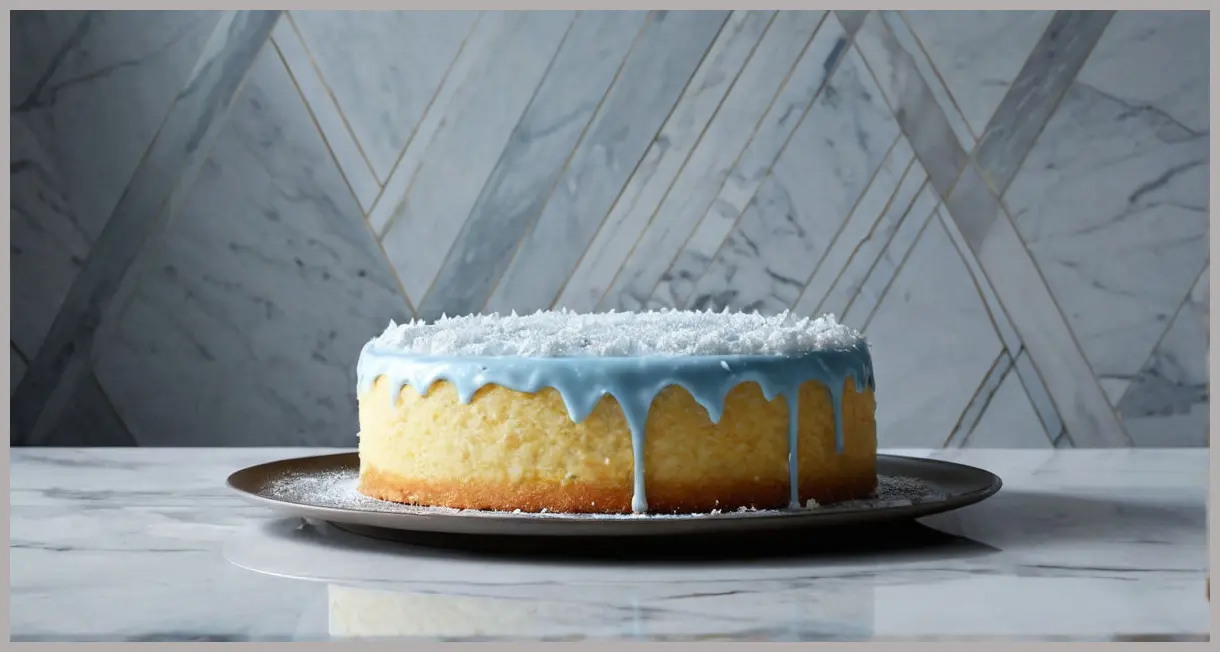
- Tea‑time Elegance: Slice the cake into eight even wedges, dust each slice with a light veil of icing sugar, and serve alongside a pot of Earl Grey or Darjeeling. The citrus notes complement the tea’s bergamot perfectly.
- Plate Styling: For a restaurant‑style look, place a single slice on a white plate, drizzle a thin ribbon of extra lemon curd around the edge, and garnish with a fresh mint leaf or an edible flower.
Creative Twists
| Variation | How to Adapt | Result |
|---|---|---|
| Tropical Burst | Fold 2 tbsp shredded toasted coconut into the frosting before spreading. | Adds texture and intensifies the coconut flavour. |
| Berry Boost | Layer a thin spread of raspberry jam on top of the lemon curd before adding the frosting. | Introduces a sweet‑tart contrast that brightens the palate. |
| Gluten‑Free | Substitute the self‑raising flour with a 1:1 gluten‑free flour blend and add ½ tsp xanthan gum. | Maintains the light crumb without wheat. |
| Mini Cakes | Divide the batter among a 12‑cup muffin tin; bake for 15‑18 minutes. Assemble mini sandwiches with a toothpick. | Perfect for parties, bite‑size treats, or a brunch buffet. |
| Vegan Friendly | Replace butter with vegan margarine, use a plant‑based double cream (e.g., coconut‑based “cream”), and ensure the lemon curd is egg‑free. | Keeps the same bright flavours while catering to vegans. |
Pairing Ideas
- Beverage Pairings: A chilled glass of Prosecco or a lightly sweetened iced green tea balances the cake’s richness.
- Fruit Accompaniments: Fresh sliced kiwi, passion fruit pulp, or a handful of toasted macadamia nuts add colour and complementary textures.
Storage Tips
- Refrigeration: Because the frosting contains fresh cream, store the assembled cake in an airtight container in the fridge. It will keep for up to 3 days.
- Freezing: Individually wrap slices in cling film and freeze for up to 2 months. Thaw at room temperature before serving, then dust with a fresh sprinkle of icing sugar.
Conclusion
The Lemon and Coconut Cake proves that a dessert can be both elegant and approachable. With a short prep time, straightforward technique, and a handful of pantry staples, you can create a cake that feels special enough for celebrations yet simple enough for a weekday treat. The combination of zesty lemon curd and silky coconut‑infused frosting delivers a balanced flavour profile that delights the senses without overwhelming them.
Whether you stick to the classic version or experiment with berries, toasted coconut, or gluten‑free flour, the core principles remain the same: a light, airy sponge; a tangy‑sweet curd layer; and a smooth, tropical frosting. Follow the step‑by‑step instructions, keep an eye on the oven, and don’t forget the final dusting of icing sugar for that polished finish.
Now that you’ve got the recipe, the tools, and the confidence, it’s time to preheat that oven, zest that lemon, and whisk your way to a cake that will become a staple in your dessert repertoire. Share your creations, tag us on social media, and let the bright, breezy flavours of Lemon and Coconut Cake brighten your next gathering. Happy baking!


Leave a Reply