
Lemon and Blackberry Stripe Cake
The Finely Crafted Fruit‑Infused Delight for the Beginner‑to‑Intermediate Cook

Introduction
If you’ve ever dreamed of a cake that looks as good as it tastes, the Lemon and Blackberry Stripe Cake is your ticket. This striking dessert pairs bright citrus with luscious blackberries, creating a visual swirl of flavor that will impress guests at birthdays, bake sales, or any special gathering. While its “A challenge” label may sound daunting, the step‑by‑step approach below shows that the process is fundamentally straightforward. By the time you finish, you’ll have a vibrant, moist cake with perfectly balanced tartness and sweetness—ready to be served as a centerpiece or a show‑stopping party treat.

Meal Profile
| Attribute | Detail |
|---|---|
| Title | Lemon and Blackberry Stripe Cake |
| Difficulty | A challenge |
| Portion | Serves 10‑12 |
| Time | Hands‑on: 1 hour 40 min, Oven: 2 hours 15 min (plus cooling) |
| Description | This pretty blackberry cake is an eye‑catching centrepiece for any birthday or bake sale. The drama comes when you cut it open and reveal the vertical stripes of sponge. Don’t worry, it’s easier to make than you think, and most of the oven time is spent letting the candied lemons caramelise. |
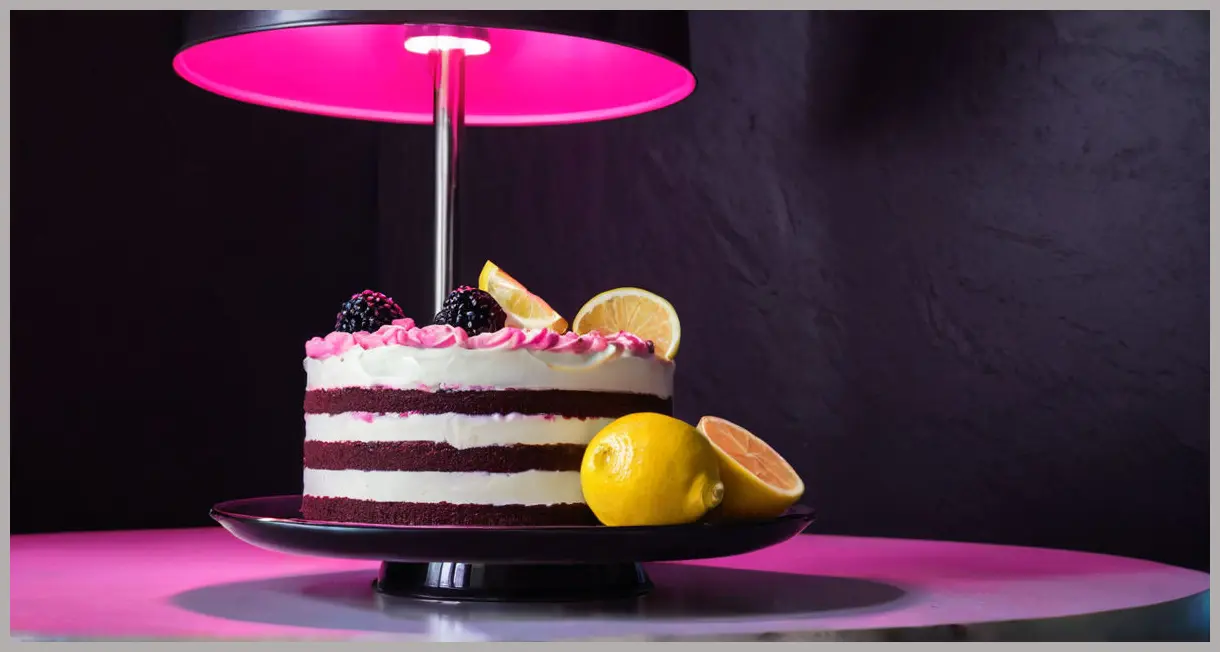
The recipe’s heart lies in separately candied lemons, a tart‑sweet frosting derived from blackberry puree, and a perfectly rolled sponge that intertwines into a satisfied “cylinder” of lightness and flavour. It’s a celebration on a plate and a challenge you’ll reach for repeatedly.
Ingredient Highlight
Mastering a cake starts with meaningful ingredients. Here’s a deep‑dive into the essential components of this recipe, explaining why each one matters:
- Fresh lemons (1 whole) – Acquired in thin 3 mm slices for candied lemon layers. The zest’s fine tartness, amplified by the juice, gives the cake a sharp, bright character that cuts through the richness of buttercream.
- Golden caster sugar (multiple measures) – This finely powdered sugar dissolves cleanly, preventing any crunchy texture and ensuring the candied lemon and buttercream layers stay silky.
- Eggs (8 free‑range, separated) – Eggs provide structure. The yolks engage with lemon juice and butter for a moist, tender crumb, while the whites become a lofty meringue for the buttercream.
- Plain flour (70 g) – Low‑protein flour creates a light, airy crumb without protein overload. Sifting keeps clouds of air and ensures an even distribution.
- Butter (200 g unsalted, cubed, at room temperature) – Unsalted butter’s pure flavour allows the orange‑citrus sweetness to radiate. Cubing speeds melting, ensuring a smooth integration into the custard‑tyre batter and buttercream mixture.
- Blackberries (100 g + extra for decoration) – The fruit purees give a deep, natural sweet‑tart note and a vibrant hue that strolls proof the idea of fruit‑infused buttercream.
- Carbonated water (30 ml – not explicitly listed but implied in the candied lemon step) – A glue that creates syrupy consistency when cooking with sugar, enabling inevitable caramelisation.
- Icing sugar – A light dusting off the finished cake’s top creates a subtle snowy finish, protecting the cake from drying out while adding a gentle sweetness to the instant bite.
Take note: each ingredient plays a structural role, from setting the sponge to layering the buttercream, so be sure to follow exact amounts. This synergy turns a simple batch of batter into a sophisticated confection that juxtaposes texture, flavour, and colour.

Step‑by‑Step Instructions
Below you’ll find a numbered list derived from the method array, annotated to reveal the reasoning behind each stage. This clean, linear format makes the recipe a piece‑by‑piece puzzle.
Disclaimer: While the steps are numbered for clarity, many actions overlap—e.g., while the cake cools, you’ll bake the candied lemons. Manage your time to keep everything flowing smoothly.
-
Candied Lemon Base
Heat the oven to 100 °C fan/gas ½. Combine 50 g caster sugar and 30 ml water in a small pan. Bring to a boil, reduce to a simmer for 1–2 min until syrupy. Lay 1 lemon cut into 3 mm slices in a single layer. Simmer for 10 min, turn halfway. Transfer to a lined baking tray, bake for 2 h, flipping halfway. Set aside to cool.
Why? This gentle caramelisation softens the lemon while locking in that glossy, almost wine‑like finish. -
Prepare the Sponge Batter
Increase oven temperature to 180 °C fan/gas 6. Grease a shallow 42 cm × 30 cm (≈ 16 × 12 in) baking tray with butter and line with parchment paper. In the mixer bowl, whip 8 yolks, 130 g caster sugar, and 1 tsp lemon juice with a whisk attachment on medium‑high speed until pale and thick (≈ 3 min). Sift 70 g flour, ½ tsp salt, and fine grated zest of 2 lemons into the mixture. Fold lightly to combine.
Note: The whisked yolk mix yields a light custard; the flour rank ensures structure sans density. -
Incorporate Egg Whites
In a separate bowl, whisk 2 egg whites to stiff peaks using clean beaters. Swirl a spoonful into the batter to temper, then fold in the remaining whites gently. Scrape the batter into the prepared tray, leveling the surface. Bake 14‑15 min or until golden and a skewer runs out clear.
The whites bring volume, turning the cake airy. -
Cool and Roll the Sponge
Remove tray from oven, let rest 5 min, dust lightly with icing sugar, then cover with parchment + tea towel. Flip the cake onto a wire rack, peel off paper, trim edges with a serrated knife for a neat finish. Roll tightly from one short side, set aside to cool fully (~30 min).
Rolling makes a pipeline of layers—key for the spectacular stripe effect. -
Blended Blackberry Puree
While the cake cools, blend 100 g blackberries with 1 tsp lemon juice until smooth; sieve to remove seeds—this creates a silky fruit base for buttercream. Set aside. -
Create the Buttercream Base
In a heatproof bowl (preferably the mixer’s one), combine the remaining 2 egg whites with 135 g caster sugar. Place over simmering water and whisk until the sugar dissolves. Test by rubbing with fingers—any graininess indicates under‑cooking. Transfer to stand mixer, whisk with salt at medium‑high speed for 5‑6 min until a glossy meringue forms. Gradually beat in 200 g unsalted butter, one piece at a time. Fluff mixture; integrate 100 ml blackberry puree in the final step.
A meringue‑butter body is airy yet rich; adding fruit at the end preserves natural flavour. -
Assemble the Striped Tower
Unroll cooled cake, slice into 3 long strips (parallel to the longest side) using ruler + serrated knife. Spread ~½ buttercream evenly across each strip. Roll each strip together, starting from a short side, feeding leaf‑in‑leaf, ensuring edges align. Stack of three rolled strands creates a cylinder. Place cylinder upright on a serving plate. Coat sides and top with remaining buttercream, smoothing with a palette knife. Garnish with candied lemon slices and extra blackberries.
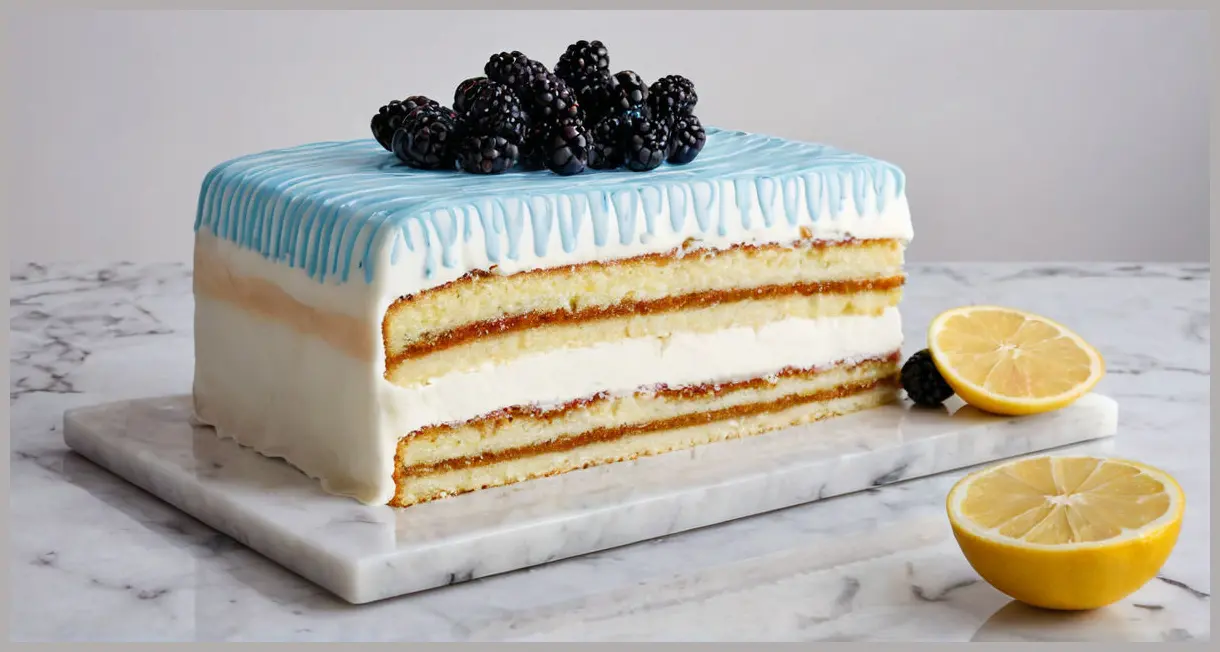
The rolling not only shapes the cake but embeds bright stripes visible when sliced.
Serving Suggestions & Variations
Visual Appeal:
Serve the finished tower at a festive gathering. Slice to expose the striped pattern, optionally dusting the slice with an extra glimmer of icing sugar or a drizzle of lemon glaze.
Flavor Tweaks:
- Add a splash of Grand Marnier to the blackberry puree for an orange‑coffee depth.
- Replace blackberries with blueberries or raspberries—both provide a subtle sweet tartness but require slightly different traffic into apples or poached fruit for extra texture.
- Turn the cake vegan: substitute eggs with aquafaba, use coconut butter instead of dairy butter, and replace golden caster sugar with organic coconut sugar.
Presentation:
- For a gallery‑ready visual, intersperse small pearls of black pearls: pearls of sugar around the centre of the slice.
- Store the cake in a warped-safe cooler lined with parchment; it stays favourable for up to 48 h.
Useful Pairings:
- A glass of chilled elderflower cordial or aged champagne complements the citrus zest.
- A scoop of vanilla bean ice cream or a swirl of lemon curd on the side offers an extra aroma.

Conclusion
The Lemon and Blackberry Stripe Cake is a testament that a recipe labeled “A challenge” can become a sweet story of patience and precision. By mastering candied lemons, whipping a mousse‑like buttercream, and rolling a delicate sponge, you create a dessert that is both striking and flavour‑rich.
This tutorial demonstrates the importance of layered techniques: the candy coating for visual contrast, the meringued buttercream for airy yet luscious filling, and the careful roll‑up that yields the signature stripes. While effort is involved, each step contributes to a cake that delivers an experience—customership in every slice.
Give the recipe a go at your next celebration: the surprising cascade of lemon‑blackberry stripes will wow guests, while your confidence in handling mixtures will grow with every attempt. Enjoy the journey, and may this cake prove to be an everlasting addition to your baking repertoire.


Leave a Reply