
Lavender Cupcakes: A Delightful, Beginner‑Friendly Bake
If you’ve ever wanted to impress friends with a treat that looks as elegant as it tastes, look no further. These Lavender Cupcakes are the perfect blend of subtle floral aroma, buttery crumb, and a glossy, pastel‑kissed frosting. In this post we’ll walk you through everything you need to know—from the story behind lavender in the kitchen to pro‑tips for flawless cupcakes—so you can bake with confidence, even if you’re just starting out.

Introduction
There’s something magical about a cupcake that carries a whisper of garden herbs. Lavender, long celebrated for its calming scent in aromatherapy, also makes a surprisingly gentle flavor partner for sweet baked goods. When paired with a bright lemon‑or‑rosemary note, the result is a mini‑dessert that feels both sophisticated and comforting.
In this guide you’ll discover a complete, step‑by‑step recipe for Lavender Cupcakes that is deliberately Easy in difficulty, making it ideal for beginners and intermediate cooks alike. The recipe yields 12 regular cupcakes or 24 mini cupcakes, and the total prep time is 20 minutes, plus a few extra minutes for decorating. By the end of the article you’ll not only have a batch of gorgeous cupcakes, but also a deeper understanding of how to balance floral flavors, troubleshoot common cupcake pitfalls, and customize the recipe to suit your own palate.
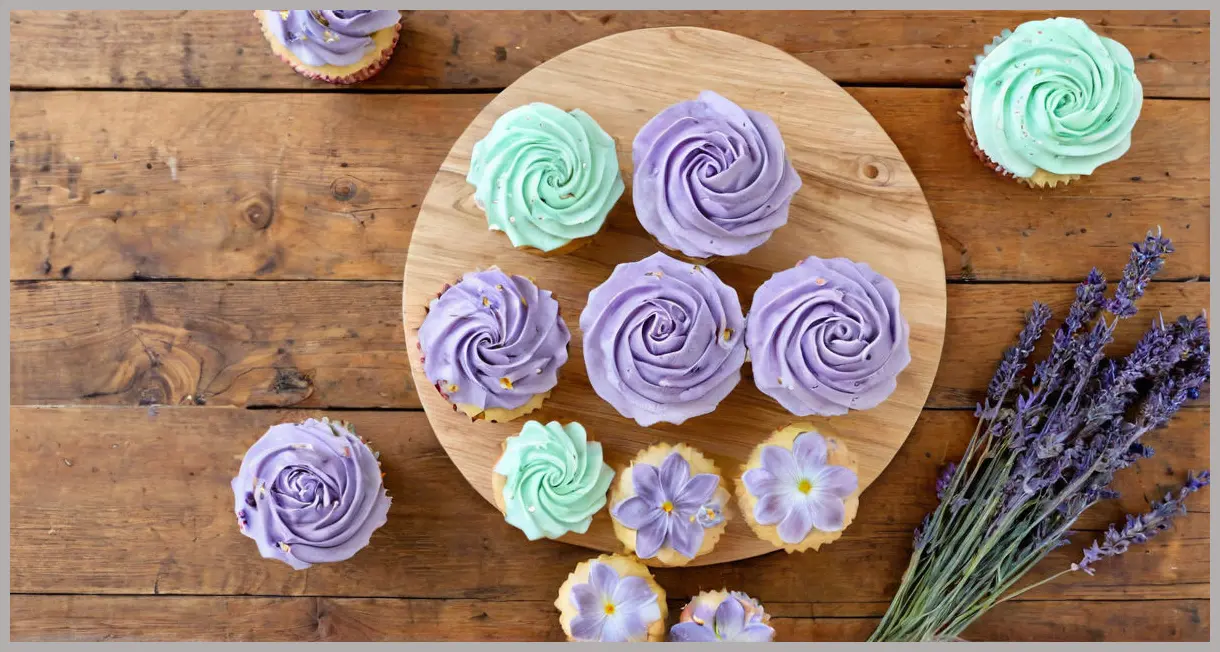
Meal Profile
| Attribute | Details |
|---|---|
| Title | Lavender Cupcakes |
| Difficulty | Easy |
| Portion | Makes 12 cupcakes or 24 mini cupcakes |
| Time | Takes 20 minutes to make, plus decorating |
| Description | Gently flavoured with lavender sugar, lemon or rosemary, these gorgeous mini scented cupcakes look as good as they taste. |
| Cuisine | Contemporary British / Modern Dessert |
| Occasions | Tea parties, bridal showers, garden brunches, or simply a weekend treat |
| Allergen notes | Contains gluten, dairy, and eggs. Can be adapted with gluten‑free flour and dairy‑free butter substitutes. |
Why Lavender?
Lavender is more than a pretty flower. Its linalool and linalyl acetate compounds lend a sweet‑herbaceous nuance that pairs beautifully with citrus (lemon) or earthy herbs (rosemary). In baking, a little goes a long way—over‑infusing can make the flavor bitter. The recipe we’re using relies on lavender‑infused sugar (you can purchase it or make it at home) to keep the flavor subtle yet unmistakable.
Ideal Kitchen Skill Level
- Beginners: The batter is mixed until just smooth—no over‑mixing required.
- Intermediate cooks: You can experiment with different colourings, fillings, or glaze variations.
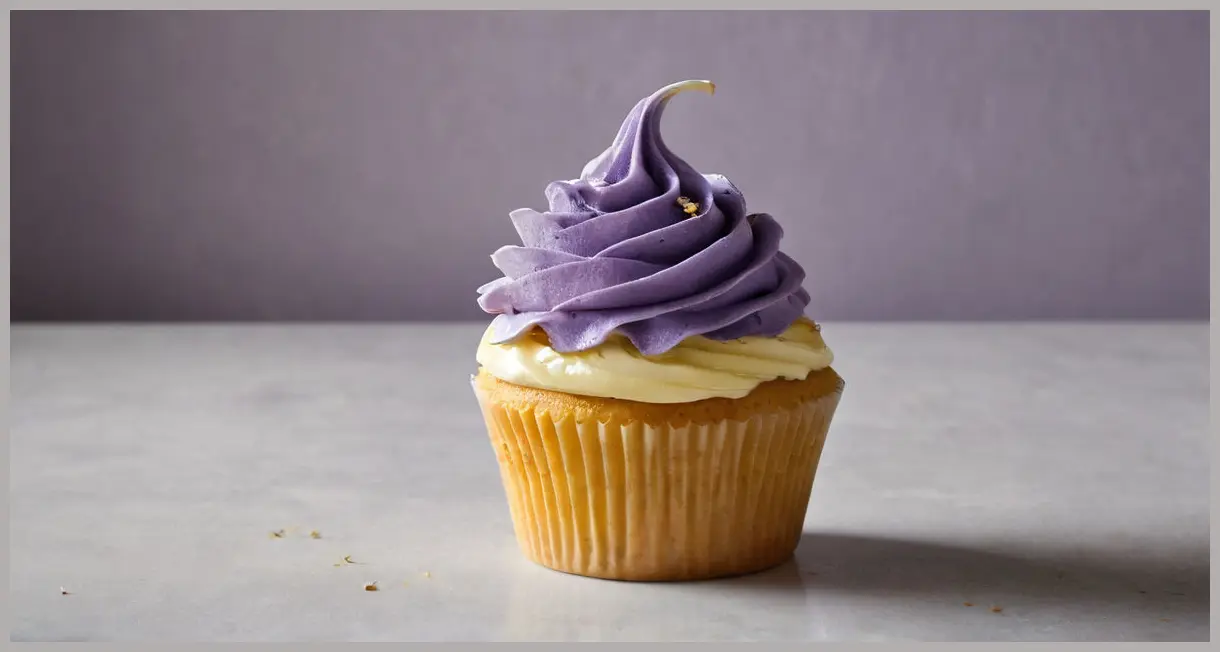
Ingredient Highlight
Below is the full ingredient list, presented in a clear, easy‑to‑read format. Each component is explained so you understand its purpose and how you might tweak it.
| Ingredient | Quantity | Role in the Recipe | Substitutions / Tips |
|---|---|---|---|
| Butter, softened | 100 g | Provides richness, tenderness, and a tender crumb. | Use unsalted butter for better flavor control. For dairy‑free, try a high‑fat plant butter (e.g., Miyoko’s). |
| Caster sugar | 100 g | Sweetens the batter and helps create a light texture. | Fine‑ground sugar dissolves quickly; you can substitute with superfine coconut sugar for a caramel note. |
| Self‑raising flour | 100 g | Supplies structure and leavening (thanks to the built‑in baking powder). | For gluten‑free, use a 1:1 gluten‑free self‑raising blend. |
| Eggs | 2 large | Bind the batter, add moisture, and aid in rising. | For vegans, replace each egg with ¼ cup unsweetened applesauce or a commercial egg replacer. |
| Icing sugar | 100 g | Base for the frosting; creates a smooth, glossy finish. | Powdered erythritol works for a low‑calorie frosting. |
| Water or lemon juice | 4 tsp (≈20 ml) | Liquefies the icing sugar and adds a slight tang when lemon juice is used. | Lemon juice brightens the flavor; water keeps the frosting neutral. |
| Food colouring | A few drops (any colour you prefer) | Gives the frosting a visual pop that matches your theme. | Natural colourings (beet powder, spirulina) can be used for a cleaner label. |
| Lavender sugar (optional) | 1–2 tsp, folded into batter or sprinkled on top | Imparts the signature floral note. | Make your own by storing 1 cup granulated sugar with 1‑2 tsp dried culinary lavender for 24 h, then sift. |
Pro Tip: Measuring Butter
For consistent results, soften butter at room temperature for about 30 minutes, or gently microwave in 5‑second bursts. Avoid melting—it will change the texture of the cupcake crumb.
Pro Tip: Handling Lavender
If you’re using whole dried lavender buds, sift the sugar after infusing to remove any large pieces. This prevents unwanted texture in the final cupcake.
Step‑by‑Step Instructions
Below is a numbered list extracted directly from the original method array, with additional clarifications to help you master each stage.
-
Preheat the oven to 180 °C / fan 160 °C / gas mark 4.
Line a mini cake tin with paper cases.
Place all ingredients in a mixing bowl and beat together until just smooth.
Divide between paper cases and bake in the centre of the oven for 12‑15 minutes (or 20‑25 minutes if larger cupcakes). -
Remove from the cake tin and leave to cool on a wire rack.
Mix the icing sugar with water and colour with a few drops of your desired food colouring.
Ice the tops of the cupcakes and decorate as you wish.
Expanded Guidance for Each Step
1. Preparing the Batter & Baking
- Oven positioning: Place the tin on the middle rack to ensure even heat distribution.
- Mixing technique: Use a handheld electric mixer on low speed. Over‑mixing can develop gluten, resulting in a dense cupcake. Stop as soon as the batter looks glossy and no dry flour remains.
- Portioning: For mini cupcakes, fill each paper case about ¾ full. This gives a nice dome without overflowing.
- Baking time: Check for doneness by inserting a thin skewer into the centre; it should come out clean or with a few crumbs.
2. Cooling & Frosting
- Cooling: Allow cupcakes to cool completely before frosting; a warm cupcake will melt the icing and cause sliding.
- Frosting consistency: If the icing is too thick, add a few extra drops of water or lemon juice. If too runny, sift in a little more icing sugar.
- Colouring: Start with just a couple of drops; you can always add more to reach the desired hue.
3. Decorating (Optional Extras)
- Lavender sugar sprinkle: Lightly dust the frosted cupcakes with additional lavender sugar for a finishing touch.
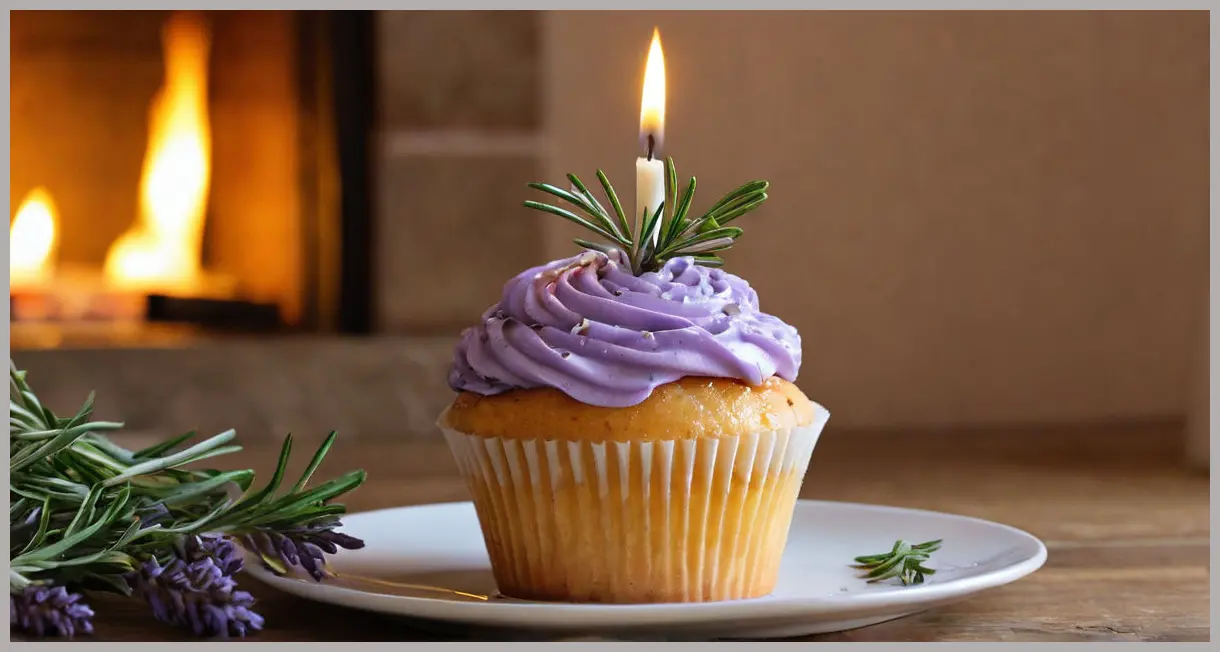
- Edible flowers: A single small lavender bud or a tiny rosemary sprig adds visual elegance.
- Citrus zest: Grated lemon zest on top can reinforce the lemon note and add a pop of colour.
Serving Suggestions & Variations
Classic Presentation
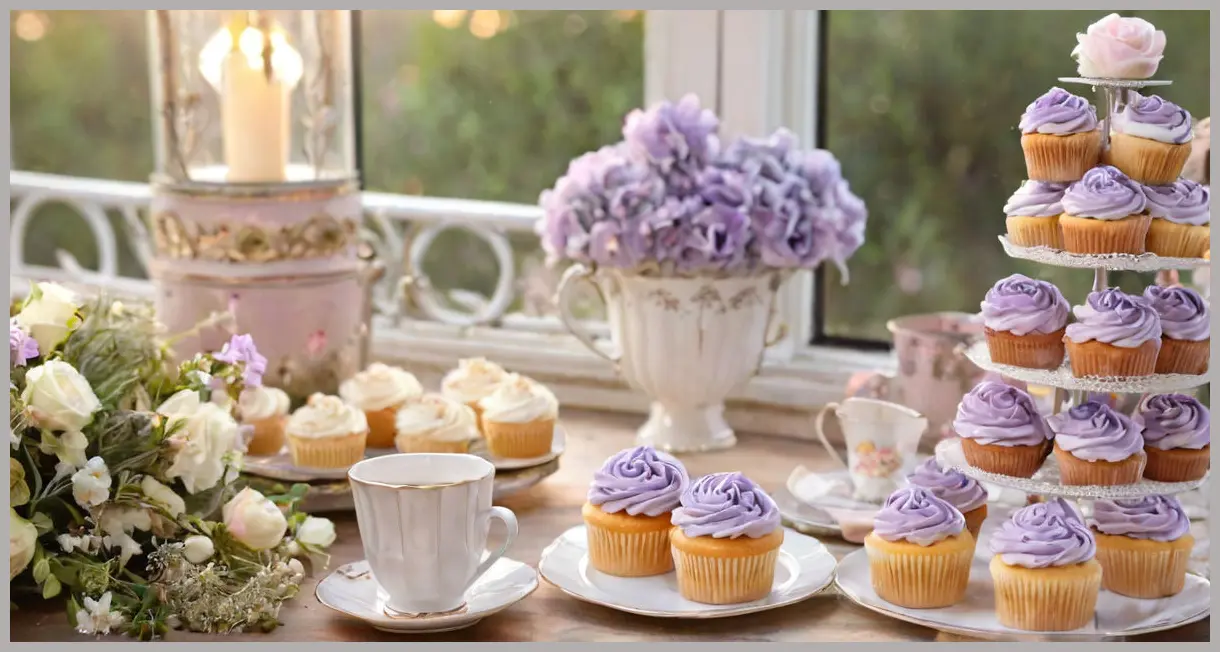
- Tea Party: Arrange cupcakes on a tiered stand, alternating colours for a pastel rainbow effect. Pair with Earl Grey tea infused with a hint of bergamot for a floral harmony.
- Bridal Shower: Use ivory or blush‑coloured frosting and garnish each cupcake with a tiny silver edible pearl.
Flavor Twists
| Variation | What to Change | Result |
|---|---|---|
| Lemon‑Lavender | Add 1 tsp lemon zest to the batter; use lemon juice in the icing. | Bright, citrus‑forward flavor that accentuates the lavender. |
| Rosemary‑Lavender | Finely chop ½ tsp fresh rosemary and fold into batter; garnish with a tiny rosemary sprig. | Earthy, herbaceous contrast—great for savory‑sweet pairings. |
| Chocolate‑Lavender | Replace 30 g of self‑raising flour with 30 g cocoa powder; use dark chocolate shavings on top. | Rich, decadent cupcake with a floral surprise. |
| Miniature Lavender Cheesecake Cups | Pipe a thin layer of softened cream cheese mixed with a pinch of lavender sugar into the centre of each cupcake after cooling. | Creamy, tangy core that elevates the cupcake to a dessert‑in‑a‑cup. |
Dietary Adjustments
- Gluten‑Free: Swap self‑raising flour for a gluten‑free blend plus ½ tsp baking powder.
- Vegan: Use plant‑based butter, replace eggs with flax “egg” (1 tbsp ground flax + 3 tbsp water per egg) and use aquafaba for leavening.
- Reduced Sugar: Cut caster sugar to 80 g and increase butter slightly to maintain moisture.
Pairing Ideas
| Pairing | Why It Works |
|---|---|
| Herbal tea (lavender or chamomile) | Mirrors the floral theme and creates a calming experience. |
| Prosecco with a twist of lemon | The bubbles and acidity cut through the buttery richness. |
| Fresh berries (blueberries, raspberries) | Their tartness balances the sweet frosting and adds colour. |
| Honey‑drizzled Greek yogurt | Adds a creamy, tangy contrast that makes the cupcakes feel lighter. |
Conclusion
Baking Lavender Cupcakes is a rewarding experience that proves you don’t need advanced techniques to create an elegant, restaurant‑quality dessert. By following the straightforward method—preheat, mix, bake, cool, frost—you’ll end up with a batch of tender, aromatic cupcakes that impress both the eyes and the palate.
Remember these key takeaways:
- Keep the batter just smooth—over‑mixing ruins the delicate crumb.
- Cool completely before frosting to avoid a messy glaze.
- Use lavender sparingly; a subtle hint is far more delightful than an overpowering floral punch.
Feel free to experiment with the suggested variations, adapt the recipe for dietary needs, or simply enjoy the classic version as a charming accompaniment to your next tea. With the confidence gained from this easy‑to‑follow guide, you’ll be ready to explore more herb‑infused desserts and perhaps even craft your own signature cupcakes.
Happy baking, and may your kitchen always be scented with the soothing aroma of lavender!
Keywords: Lavender Cupcakes, easy cupcake recipe, floral desserts, beginner baking, how to make lavender cupcakes


Leave a Reply