
Ginger and Honey Biscuit Cake with Choc‑Orange Icing
A show‑stopping Russian‑inspired dessert that’ll wow friends and family alike
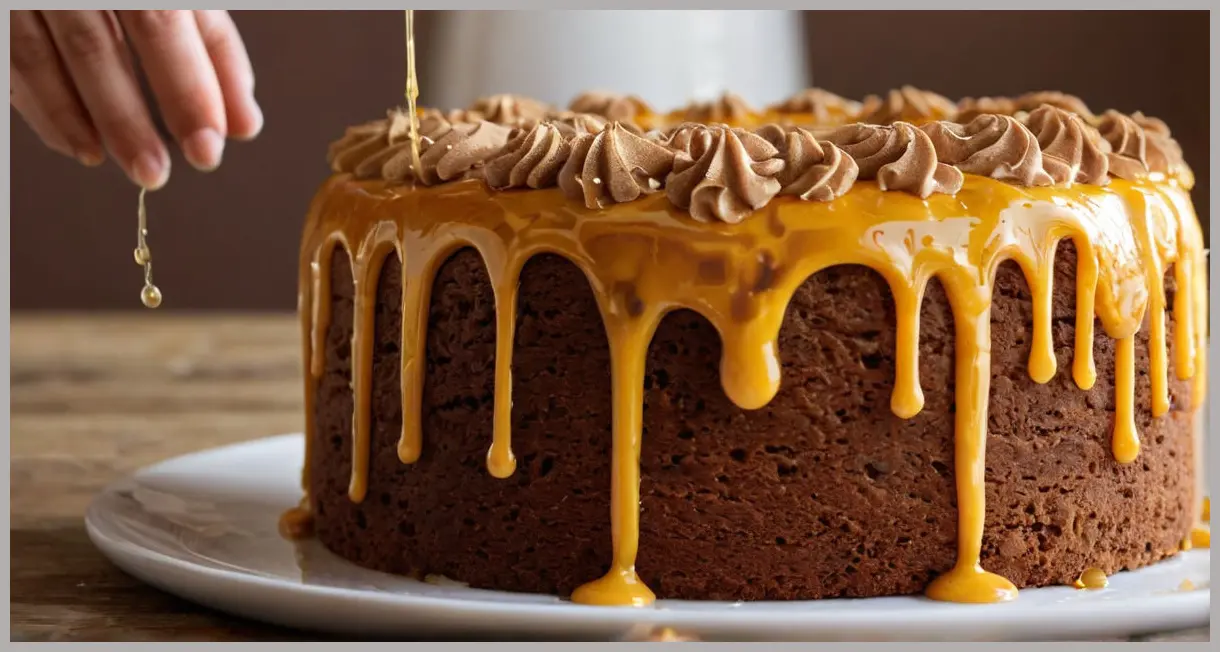
Introduction
There’s something almost theatrical about a dessert that looks like a cake but is actually a layered, biscuit‑based confection. It’s the feeling of dining in an opulent Russian palace: rich, warm, and a little bit mysterious. The Ginger and Honey Biscuit Cake with Choc‑Orange Icing is a perfect example, combining subtle sweetness from honey, a fragrant bite of ginger and the bright zest of oranges, all wrapped up in a chocolate swirled glaze.
As a beginner‑to‑intermediate cook, you might think this recipe is too complex, but step by step it’s indeed an approachable project that rewards a little patience. In about an hour of active prep and baking, you’ll create a 14–16‑serving cake that looks professional and tastes divine. Perfect for holidays, birthdays, or simply to impress.
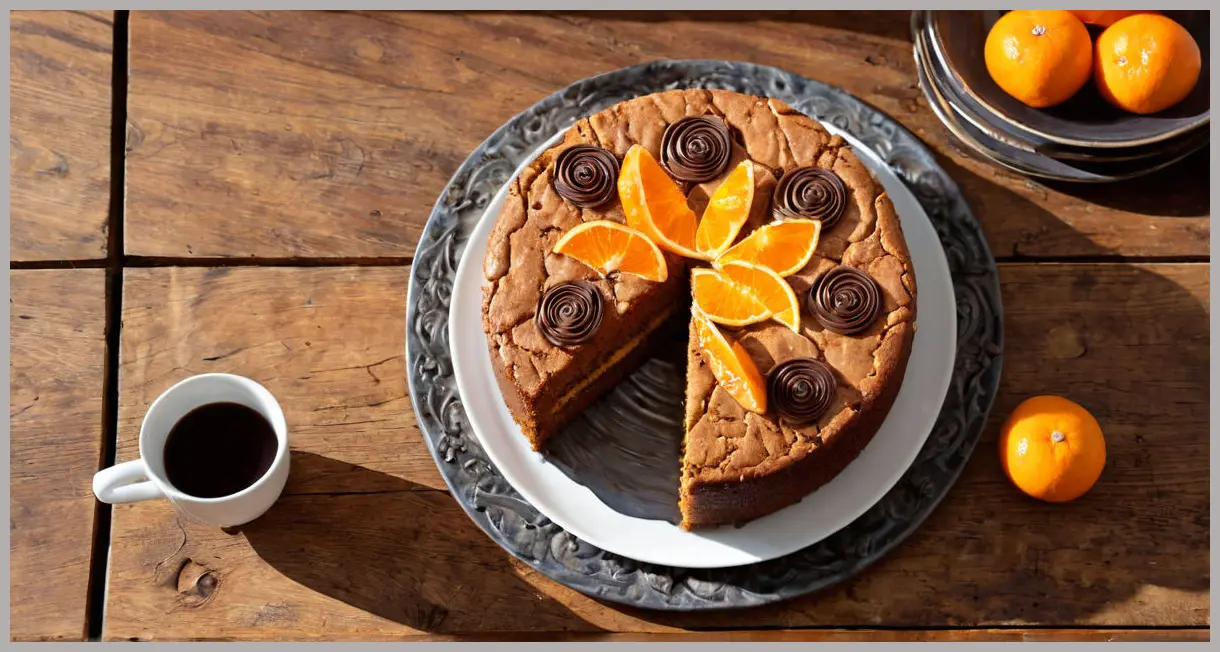
Meal Profile
| Attribute | Detail |
|---|---|
| Title | Ginger and Honey Biscuit Cake with Choc‑Orange Icing |
| Difficulty | Medium |
| Portion | Serves 14–16 |
| Time | Hands‑on 1 h, oven 20 min, plus 5–6 h chilling |
| Description | For a truly show‑stopping dessert, try this Russian‑inspired cake made from layered honey and orange biscuits, which have softened after soaking in the cream cheese icing. |
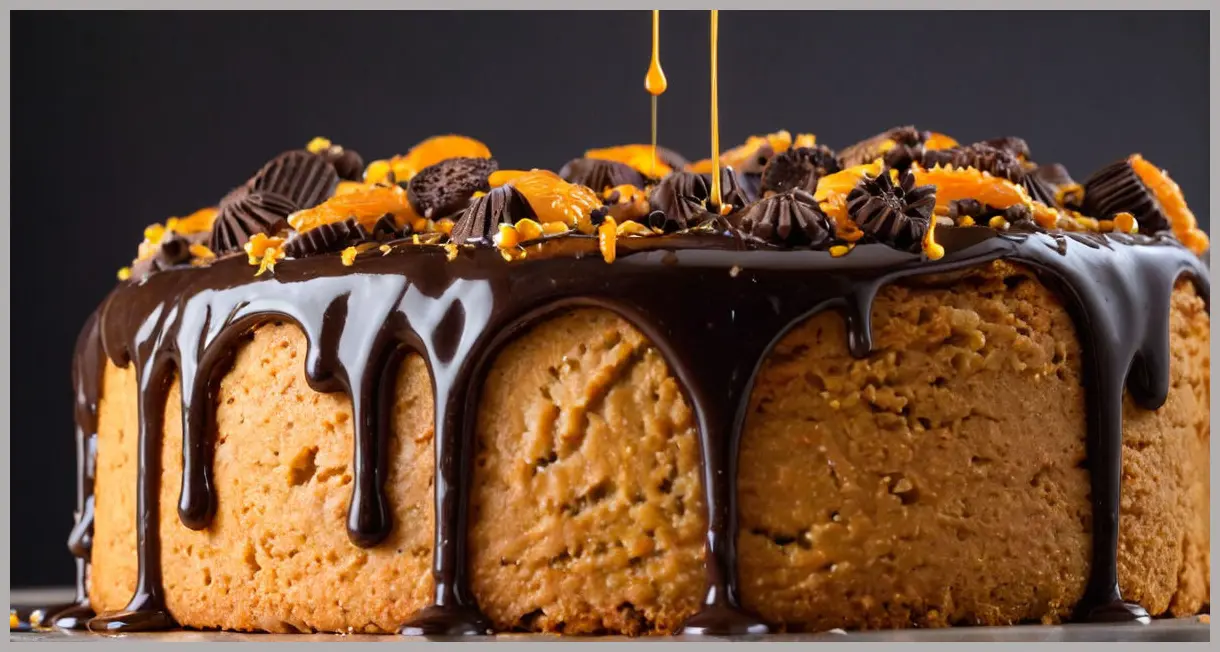
The entire process is divided into two core components: the biscuits (or “biscuit cake” layers) and the candied clementines that will crown the final product. The icing gives the cake a luscious, slightly tart back‑bone, while the molten chocolate set in a Jackson‑Pollock‑style swirl adds drama.
This recipe is great for those who love to experiment with flavor profiles, texture contrasts, and eye‑catching plating. The final cake acts like a bridge between a classic honey cake, gingerbread, and a modern pâtisserie dessert.
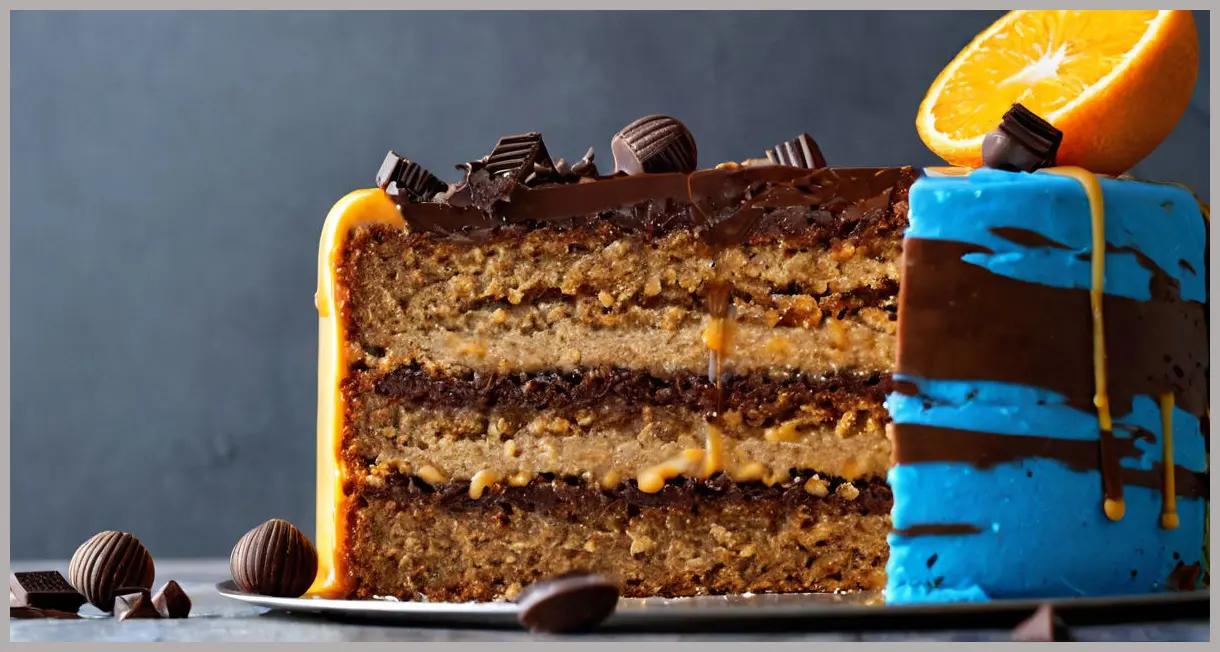
Ingredient Highlight
Below is the full list of ingredients, broken into the three main groups – biscuits, icing, and candied clementines. Each section also includes a note on why each ingredient matters.
Biscuits
| Ingredient | Quantity | Why It Matters |
|---|---|---|
| Clear honey | 200 g | Provides natural sweetness and a glossy glaze. The clarity keeps the cake from looking yellowish. |
| Caster sugar | 130 g | Gives a fine crust and helps with browning. |
| Unsalted butter | 150 g | Adds moisture and richness; unsalted so you can control the salt level. |
| Free‑range eggs (3 large) | 3 | The yolk adds depth and the whites bring structure while baking. |
| Baking powder | 1 tsp | Leavening for a tender crumb. |
| Ground ginger | 2 tsp | Classic biscuit spice; adds a warm kick. |
| Orange zest (finely grated) | 1 (from 1 orange) | The citrus notes balance the honey. |
| Plain flour | 600 g (+ extra for dusting) | Provides the bulk of the dough; enough to achieve a light consistency. |
| Pinch of salt | Enhances overall flavor. |
Icing & Chocolate Swirl
| Ingredient | Quantity | Why It Matters |
|---|---|---|
| Cream cheese (e.g., Philadelphia) | 650 g | Gives the icing a creamy, slightly tangy base that pairs with the sweetness. |
| Unsalted butter (room temperature) | 250 g | Helps whip the icing smooth. |
| Finely grated orange zest | 2 (or 2 oranges, zest added) | Continues the orange theme. |
| Icing sugar | 120 g | Controls the icing’s sweetness and ensures a glassy finish. |
| Clear honey | 3 Tbsp | Integrates honey into the icing for depth. |
| Dark chocolate | 100 g (chopped) | Melts into a vibrant swirl that keeps moisture out of the cake. |
| Sunflower oil | 1 tsp | Makes the chocolate glossy and prevents it from setting too hard. |
Candied Clementines
| Ingredient | Quantity | Why It Matters |
|---|---|---|
| Clementines (2, unpeeled, sliced horizontally thinly) | 2 | Adds bursts of citrus flavor and an elegant visual pop. |
| Sugar | Amount not specified; enough to dissolve into syrup | Creates the candied coating. |
| Water | 200 ml | Forms syrup base. |
Tip: Use a very fine slicer or a mandoline for the clementines. Thin slices ensure they soften quickly and develop a translucent look in the glaze.
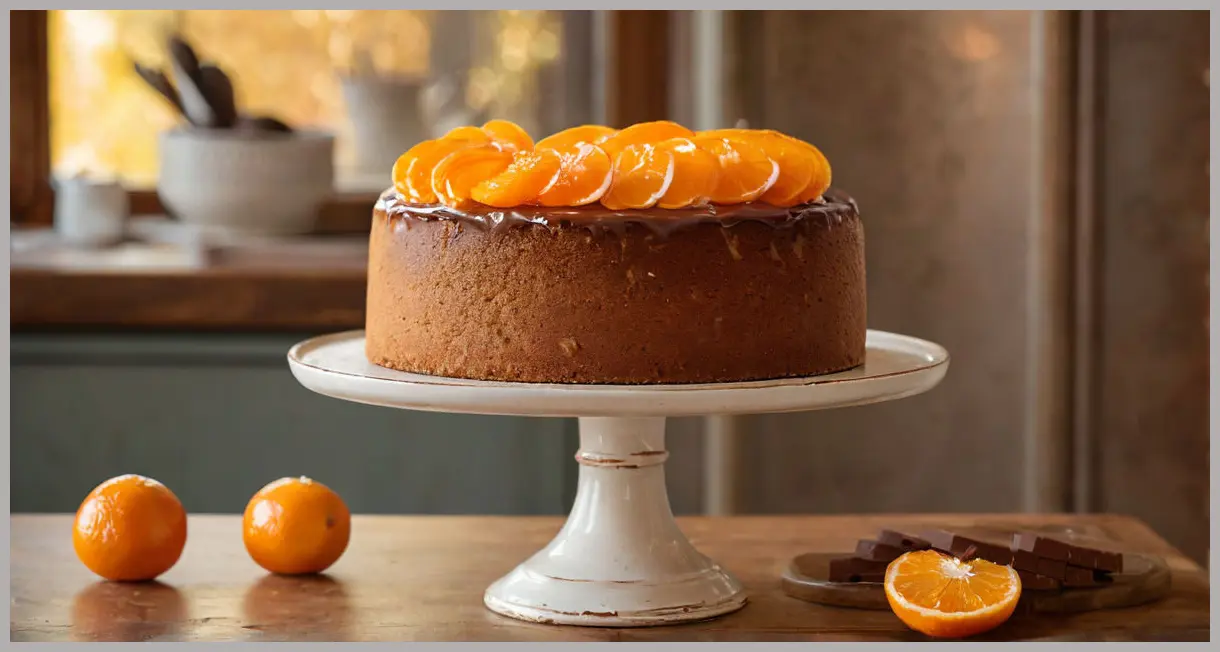
Step‑by‑Step Instructions
Below is a detailed workflow to bring this cocktail of flavors to life.
Pro tip: Keep all your equipment ready: baking sheets with baking paper, a large mixing bowl, a whisk, a palette knife, a digital thermometer if available (for sugar syrup), a cake lifter or cake tin base, and a heat‑proof bowl to melt chocolate.
Preparation time: 1 hour
Cooking time: 20 minutes
Cool & Set: 5–6 hours
1. Prepare the Sweet Base
Heat the oven to 180 °C (160 °C fan/y fan or gas 4).
Melt the honey, sugar, and butter in a large pan over medium heat.
Bring the mixture to a simmer and let bubble for 5 minutes until it turns a slightly darker brown—aim for a deep amber hue.
Turn off the heat and let it cool for 8–10 minutes until you can comfortably touch it.
2. Combine Eggs
Gradually pour the beaten eggs into the cooled honey‑butter mixture while whisking with a balloon whisk. Mix until fully incorporated and the mixture has a creamy consistency.
3. Add Dry Mix & Shape
Sift together the baking powder, ground ginger, orange zest, flour, and a pinch of salt.
Add this dry mix to the wet ingredients and stir with a wooden spoon for 5 minutes until the dough is soft yet workable (similar to gingerbread dough).
Weigh the dough and divide into 10 equal portions (≈110 g each).
Shape each portion into a disc.
4. Bake the Biscuits
Roll each disc on a well‑floured surface into a 2‑3 mm thick circle slightly larger than 20 cm diameter.
Use a 20 cm round cake tin or a round biscuit cutter to cut out a disc.
Place each disc onto one end of a lined baking sheet using a cake lifter or the base of the tin.
Repeat for the other three biscuits, spreading them on separate sheets to avoid sticking.
Bake for 7–8 minutes until golden brown.
Let them firm up on the sheet for 5 minutes, then transfer to a wire rack to cool completely.
Repeat the process with the remaining dough.
5. Candied Clementines
Down‑shift the oven to 120 °C (100 °C fan or gas 1½).
In a pan, bring 200 ml water and sugar to a boil, stirring until dissolved.
Add the clementine slices and simmer for 3–4 minutes.
Drain the slices and lay them out on a baking sheet lined with non‑stick baking paper.
Bake in the oven for 50–60 minutes until translucent and candied.
Let cool before using.
6. Whip the Icing
In a large bowl, beat together the cream cheese, room‑temperature butter, and orange zest until smooth.
Gradually fold in the icing sugar and honey, whisking continuously until the icing is light, fluffy, and spreadable.
7. Build the Cake
- Layer the biscuits: Place one biscotti on a large plate, spread 3–4 Tbsp of icing over it with a palette knife, and gently place another biscuit on top.
- Repeat until all biscuits are stacked.
- Cover the entire structure with remaining icing, spread it over the top and sides.
- Scrape gently around the sides with a palette knife until you can see the edges of the biscuits.
- Refrigerate for at least 30 minutes to set.
8. Create the Chocolate Swirl
Place a heat‑proof bowl over a pan of simmering water (double‑boiler method—ensure the bowl does not touch the water).
Melt 100 g chopped dark chocolate, then stir in 1 tsp sunflower oil to maintain a silky glaze.
Remove the cake from the fridge.
Drizzle a little chocolate over the cake and use the palette knife to spread it over the icing, creating a swirling pattern.
Add more chocolate as desired. When satisfied, drizzle the remaining chocolate in a free‑flowing line across the surface—think Jackson Pollock.
Return the cake to the fridge for at least 2 hours to set.
Once set, decorate the top with the candied clementines for a polished finish.
Serving Suggestions & Variations
How to Serve
- Classic plating: Slice the cake into individual pieces using a serrated knife. It lies flat on the plate, showcasing the cake’s layers and clementine garnish.
- Upscale twist: Serve the cupcakes ready in paper liners for a portable option—just like mini versions of the larger cake.
- Themed décor: Dust the finished cake with powdered orange zest for vitamin C and a pop of color. Light a small orange‑scented candle to evoke the scent of fresh citrus.
Variations
| Variation | What changes? |
|---|---|
| Chocolate Corner | Replace one biscuit layer with a 2 tsp cocoa powder for a chocolate‑butter cake base, making it a dark‑to‑light color gradient. |
| Maple Honey | Substitute half of the honey with maple syrup for added caramel depth; walnuts or pecans may be sprinkled on top before icing. |
| Ginger‑Pear | Add a pinch of grated fresh ginger and thin pear slices alongside clementines to subvert expectations. |
| Vegan Version | Replace butter with coconut oil, use dairy‑free cream cheese (like Daiya), and wheat‑gluten butter alternatives. Substitute the icing sugar for a vegan-friendly sweetener. |
| Spice Variation | Add a dash of ground cinnamon or a pinch of cardamom to the baking mixture for multi‑dimensional spice notes. |
Pro tip: Because the cake has a high sugar content, small portions will feel especially indulgent. If your guests are cake-faint, consider offering a delicate side of marble‑vegan‑buttermilk custard to cut the sweet bite.

Conclusion
Bringing together honey, ginger, oranges, and chocolate may seem like a juggling act. Yet this Ginger and Honey Biscuit Cake with Choc‑Orange Icing demonstrates that with a bit of timing, patience, and careful layering, you can create a dessert that is as stunning visually as it is tasty.
- Key takeaways:
- Interweave flavors by layering citrus with ginger and honey.
- Use the double‑boiler technique to melt chocolate without scorching.
- Give the cake ample chilling time; a firm structure lets the icing set nicely.
Whether you’re hosting a family gathering or just treating yourself, this cake is an experience worth savoring. Dive into the recipe, experiment with the suggested variations, and watch your culinary confidence soar. Happy baking!


Leave a Reply