
Classic Sponge Cake: A Beginner‑Friendly Celebration Treat
Introduction
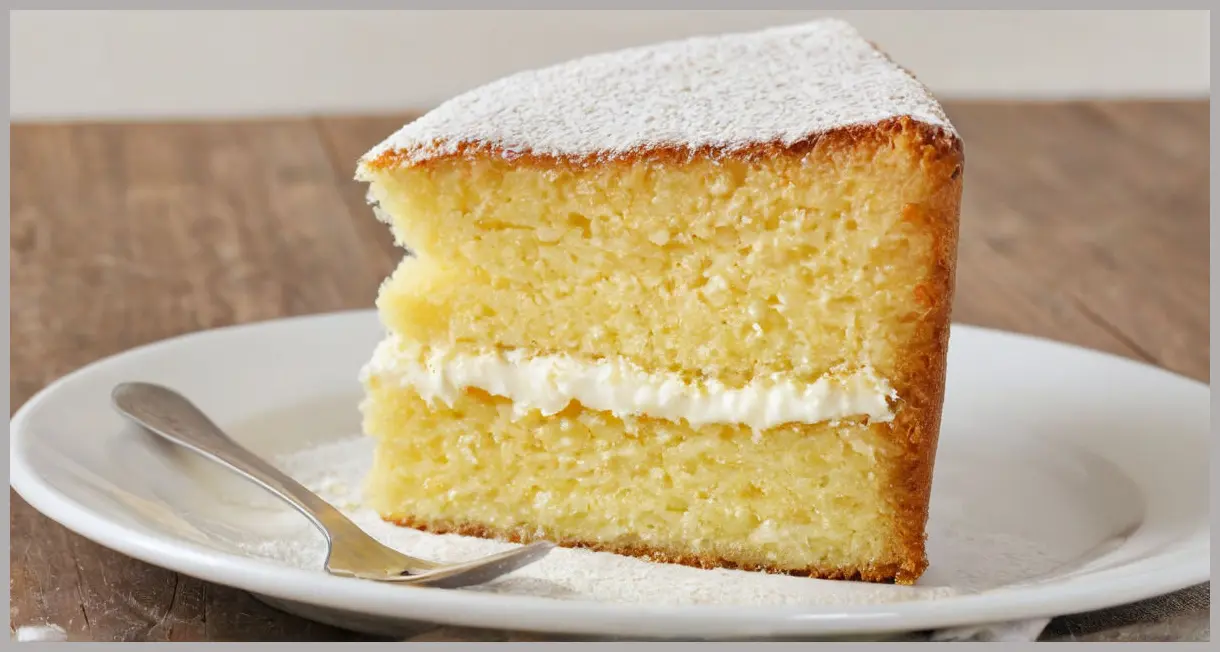
There’s something undeniably joyful about the first time you pull a Classic Sponge Cake out of the oven and see it rise like a golden cloud. For many home cooks, the sponge cake is the gateway to the world of layered desserts, wedding cakes, and festive celebrations. Its light, airy texture pairs beautifully with a wide range of fillings—from fresh berries to tangy citrus—making it a versatile canvas for creativity.
If you’re a beginner‑to‑intermediate cooking enthusiast, you might wonder whether a “classic” cake is too intimidating. The answer is a resounding no. This recipe is deliberately easy, requires only a handful of pantry staples, and walks you through each step with clear, approachable instructions. By the end of this post, you’ll not only have a stunning cake ready to impress your guests, but you’ll also gain confidence in basic baking techniques that you can apply to countless other recipes.
Let’s dive into the story behind this beloved dessert, explore the ingredients that make it shine, and follow a step‑by‑step guide that turns a simple batter into a celebration‑ready masterpiece.

Meal Profile
| Attribute | Details |
|---|---|
| Title | Classic Sponge Cake |
| Difficulty | Easy – perfect for beginners |
| Portion | Serves 8 people (ideal for a small gathering or family celebration) |
| Time | Over an hour – includes mixing, baking, cooling, and assembling |
| Description | Use our classic sponge cake recipe as the base of any celebration cake! While berries are perfect for filling sponge cakes, this time we’ve used sharp passionfruit to contrast with the richness of cake and cream. |
The Classic Sponge Cake is designed to be a reliable foundation for any special occasion. Its light crumb holds up well under generous fillings, and the subtle vanilla aroma provides a neutral backdrop that lets bold flavors—like the passionfruit‑infused cream in this version—take center stage. Because the recipe calls for two 20 cm × 4 cm deep tins, you end up with two even layers that stack neatly, creating a professional look without the need for fancy equipment.
Ingredient Highlight
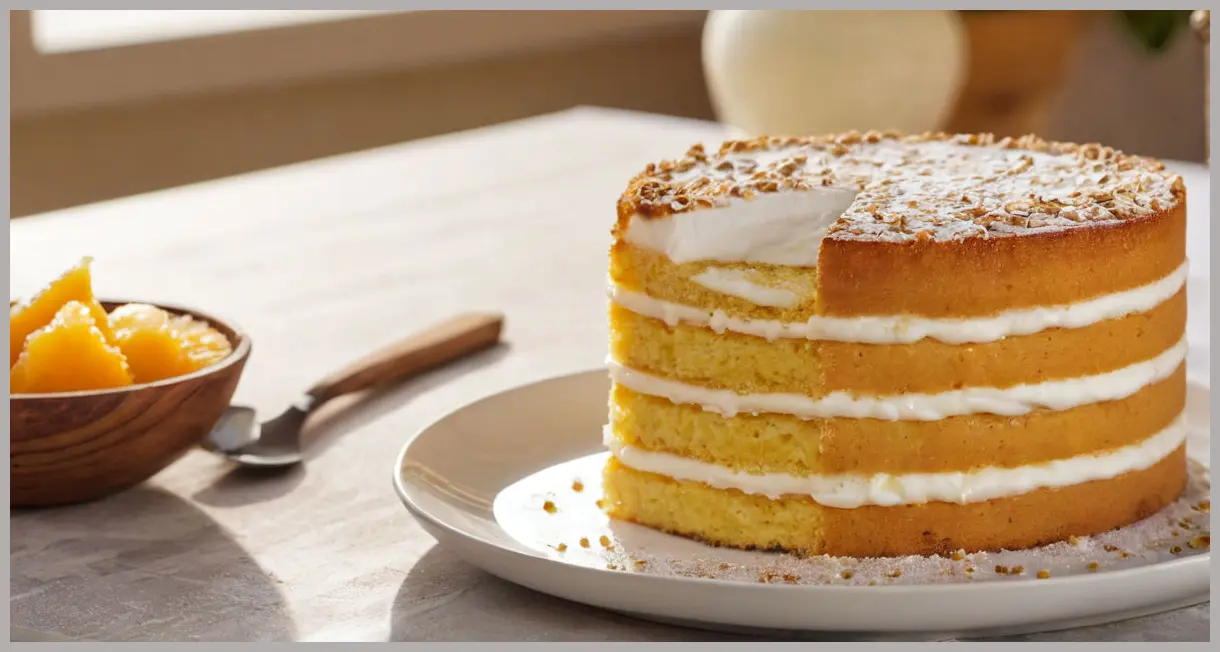
Below is the full ingredient list, followed by a deeper look at why each component matters and a few tips for sourcing or substituting them.
Full Ingredient List
- 175 g self‑raising flour
- 1 rounded teaspoon baking powder
- 3 large eggs, at room temperature
- 175 g very soft butter
- 175 g golden caster sugar
- ½ teaspoon vanilla extract
- A little sifted icing sugar, for dusting
- 6 passion fruit
- 250 g mascarpone
- 200 ml fromage frais
- 1 dessertspoon golden caster sugar (for the filling)
- 1 teaspoon vanilla extract (for the filling)
- Two 20 cm × 4 cm deep sponge tins, lightly greased and lined with silicone paper (parchment)
Why These Ingredients Work
-
Self‑Raising Flour & Baking Powder – The combination gives the cake its lift without the need for a separate leavening step. The flour’s fine texture ensures a tender crumb, while the baking powder adds an extra boost of rise, especially important for a light sponge.
-
Eggs (Room Temperature) – Eggs act as both a binder and an aeration agent. Allowing them to reach room temperature helps them incorporate more air when whisked, resulting in a fluffier batter.
-
Very Soft Butter – Softened butter blends easily with the sugar, creating a smooth base that traps air. If the butter is too cold, you’ll end up with a lumpy batter; if it’s melted, the cake may become dense.
-
Golden Caster Sugar – This fine sugar dissolves quickly, giving the sponge a delicate sweetness and a subtle caramel note that pairs beautifully with the passionfruit’s acidity.
-
Vanilla Extract – A splash of vanilla adds depth to the flavor profile, complementing both the cake and the creamy filling.
-
Passion Fruit – The star of our filling, passion fruit brings a bright, tropical tang that cuts through the richness of the mascarpone‑based cream. Its seeds add a pleasant texture contrast.
-
Mascarpone & Fromage Frais – Together they create a luxurious, slightly tangy cream that’s richer than plain cream cheese but lighter than pure mascarpone. The balance keeps the filling from becoming overly heavy.
-
Dessert Spoon of Sugar & Extra Vanilla (Filling) – These fine‑tune the sweetness and aromatic profile of the cream, ensuring it complements rather than overpowers the fruit.
-
Sifted Icing Sugar (Dusting) – A light dusting adds visual elegance and a hint of additional sweetness without overwhelming the palate.
-
Silicone (Parchment) Paper & Greased Tins – Proper preparation of the tins guarantees the cakes release cleanly, preserving their flawless shape for stacking.
Tips & Substitutions
- Flour: If you only have plain flour, add 1½ teaspoons of baking powder per 175 g to mimic self‑raising flour.
- Butter: Unsalted butter is preferred for better control of salt levels. If you’re short on butter, you can substitute with an equal weight of margarine, but the flavor will be slightly different.
- Fromage Frais: Greek yogurt (full‑fat) can stand in for fromage frais, though it will lend a tangier note.
- Mascarpone: A blend of cream cheese and heavy cream (2:1 ratio) can mimic mascarpone in a pinch, but the authentic richness will be missed.
Understanding each ingredient’s role empowers you to adapt the recipe to dietary needs or pantry constraints without sacrificing the cake’s hallmark lightness.

Step‑by‑Step Instructions
Below is the complete method, presented as a numbered list for easy reference. Follow each step in order, and you’ll have a perfectly baked Classic Sponge Cake ready for assembly.
- Preheat the oven to 170 °C / gas mark 3.
- Sift the flour and baking powder into a very large mixing bowl. Hold the sieve high to aerate the flour as it falls. Add the remaining cake ingredients (eggs, softened butter, golden caster sugar, vanilla extract) to the bowl. Using an electric hand whisk (or a sturdy wooden spoon), whisk everything together until the mixture is smooth and well‑combined – about 1 minute.
- Check the batter’s consistency. It should drop off a spoon with a gentle tap on the side of the bowl. If it feels too stiff, add a splash of water and mix again until the batter flows easily.
- Divide the batter evenly between the two prepared tins. Level the tops with a spatula, then place the tins on the centre shelf of the oven. Bake for 30–35 minutes, but do not open the oven door until the first 30 minutes have passed.
- Test for doneness. Lightly press the centre of each cake with a fingertip; if the imprint disappears and the sponge springs back, the cakes are ready.
- Cool the cakes. Remove the tins from the oven and let them sit for about 5 minutes. Then turn the cakes out onto a wire cooling rack. Gently peel off the silicone parchment—fold the paper first to create a grip, then pull it away without lifting the cake.
- Prepare the passion‑fruit filling base. Slice the six passion fruits in half and scoop out all the flesh, juice, and seeds into a bowl using a teaspoon. Set aside.
- Make the cream filling. In a separate bowl, combine the mascarpone, fromage frais, 1 dessertspoon golden caster sugar, and 1 teaspoon vanilla extract. Whisk with a balloon whisk until smooth. Fold in about two‑thirds of the passion‑fruit mixture, reserving the rest for drizzling.
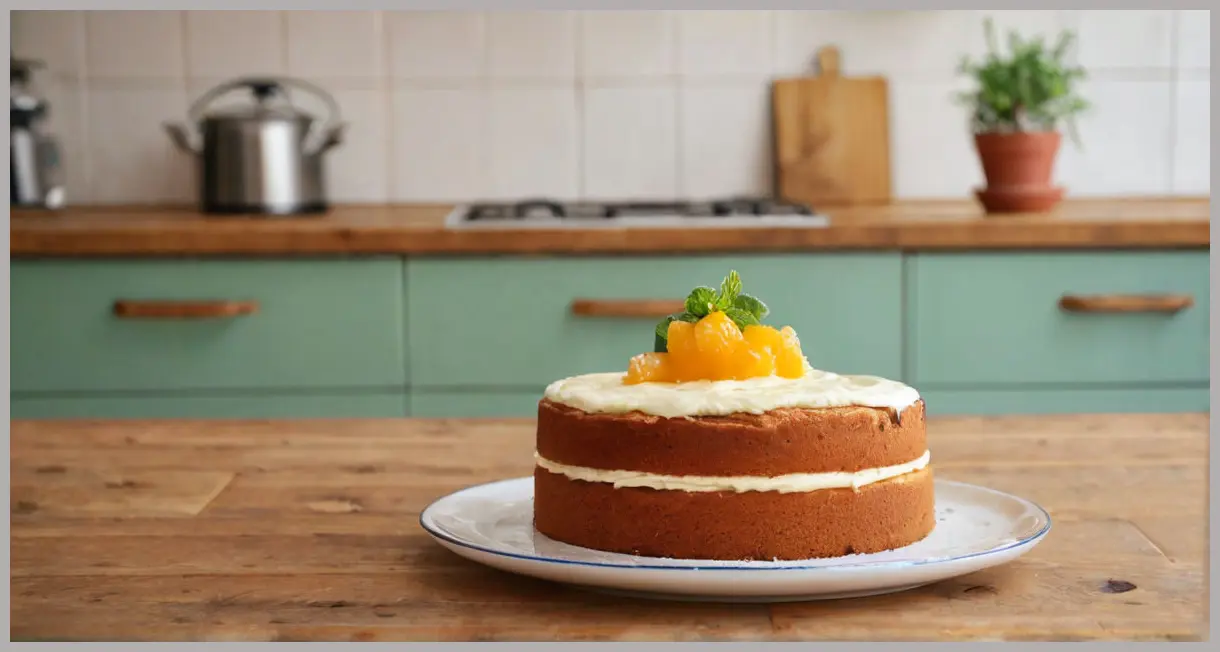
- Assemble the cake. Place the first sponge layer on your serving plate or cake stand. Spread half of the cream filling over it, then drizzle the remaining passion‑fruit pulp over the filling. Spread the remaining cream on top of the fruit, creating an even layer.
- Finish the stack. Gently place the second sponge layer on top, pressing lightly so the filling oozes slightly at the edges. Finally, dust the top with a little sifted icing sugar for a polished look.
Congratulations! Your Classic Sponge Cake is now ready to be sliced, served, and celebrated.
Serving Suggestions & Variations
While the passion‑fruit version already feels festive, the beauty of a sponge cake lies in its adaptability. Here are several ideas to tailor the cake to different occasions, dietary preferences, or flavor cravings.
1. Seasonal Fruit Swaps
- Berry Bliss: Replace the passion fruit with a mixture of fresh strawberries, raspberries, and blueberries. Toss the berries with a tablespoon of apricot jam for a glossy finish.
- Citrus Zest: Use a combination of orange and lemon zest in the batter, and fill with a lemon‑curd‑infused mascarpone cream for a bright, summery cake.
2. Chocolate Twist
Add 2 tablespoons cocoa powder to the dry ingredients for a chocolate sponge. Pair with a chocolate‑ganache filling (melted dark chocolate mixed with mascarpone) and sprinkle toasted almond slivers on top.
3. Vegan Adaptation
- Flour: Use a gluten‑free self‑raising flour blend.
- Eggs: Substitute each egg with ¼ cup unsweetened applesauce or a commercial egg replacer.
- Butter: Swap the butter for equal weight of coconut oil (softened, not melted).
- Cream: Blend silken tofu with vegan cream cheese, a splash of plant‑based milk, and vanilla for a dairy‑free filling.
4. Mini Sponge Cakes
Divide the batter among a muffin tin lined with silicone cups. Bake for 15‑18 minutes. Once cooled, pipe the passion‑fruit cream into each mini cake and dust with icing sugar for a bite‑size party treat.
5. Decorative Finishes
- Fresh Flowers: Place edible flowers (e.g., pansies or violets) on the top for a garden‑party vibe.
- Caramel Drizzle: Warm a handful of caramel sauce and drizzle it over the dusted icing for an indulgent twist.
- Chocolate Shavings: Use a vegetable peeler to shave dark chocolate over the surface for a sophisticated look.
6. Pairings
Serve slices of the Classic Sponge Cake with a dollop of lightly whipped cream and a glass of sparkling Prosecco or a chilled white wine (such as Sauvignon Blanc) to complement the tropical acidity of the passion fruit.

Conclusion
Baking a Classic Sponge Cake may seem like a rite of passage, but with the right guidance it becomes an enjoyable, confidence‑building experience. This recipe’s easy difficulty level, clear step‑by‑step instructions, and forgiving ingredient list make it ideal for anyone looking to master a foundational dessert.
By understanding the purpose behind each ingredient and following the methodical baking and assembly process, you’ll achieve a light, moist cake that serves as a perfect backdrop for creative fillings—whether you stick with the vibrant passion‑fruit cream or experiment with seasonal fruits, chocolate, or vegan alternatives.
So preheat that oven, gather your tools, and let the aroma of a rising sponge fill your kitchen. The result isn’t just a beautiful cake; it’s a newfound skill that will inspire countless future desserts. Happy baking, and may your celebrations always be as sweet as a slice of Classic Sponge Cake!


Leave a Reply