
Crafting the Perfect Spring Sip: Your Guide to the Zesty Rhubarb and Ginger Cocktail
There’s an undeniable joy in the art of crafting cocktails at home. What once felt like a secret kept by seasoned mixologists behind dimly lit bars is now an accessible, incredibly rewarding hobby for anyone willing to shake (or stir!) things up. Imagine the satisfaction of presenting a beautifully balanced, professional-grade drink to friends and family, all from the comfort of your kitchen. The good news? You don’t need years of training or an arsenal of obscure ingredients to get started. Many of the most delightful concoctions are surprisingly simple, focusing on fresh, quality components and a little know-how.
This comprehensive guide is designed to empower beginner-to-intermediate cocktail enthusiasts like you to create a truly exceptional drink that perfectly captures the spirit of spring: the Rhubarb and ginger cocktail. This vibrant, zesty, and utterly refreshing concoction is an ode to the season, blending tart rhubarb with warming ginger and bright lemon. It’s an easy-to-master recipe that promises maximum flavor with minimal effort, making it the ideal starting point for anyone looking to elevate their home bar game. We’ll walk you through every step, from understanding its unique flavor profile to mastering the mixing technique and even exploring exciting variations. Get ready to impress and delight with this approachable yet sophisticated beverage!
The Rhubarb and Ginger Cocktail: A Symphony of Spring Flavors
The beauty of the Rhubarb and ginger cocktail lies in its exquisite balance and evocative flavor profile. As its description hints, this is truly a “zesty, springy creation” designed to “celebrate spring’s arrival.” At its heart, it’s a delicate dance between the sweet-tart essence of rhubarb, the comforting warmth of ginger, and the bright, invigorating kick of fresh lemon.
Imagine the first flush of spring: tender pink rhubarb stalks emerging from the earth, promising tart pies and vibrant crumbles. This cocktail captures that essence, primarily through the use of rhubarb gin. This isn’t just gin with a whisper of rhubarb; it’s a spirit infused with its distinct, slightly earthy, and pleasantly sour character, often with a hint of sweetness to round it out. It provides the drink’s signature rosy hue and its foundational flavor.
Counterbalancing this delightful tartness is Stone’s ginger wine. Ginger wine is a fascinating ingredient—a fortified wine that brings a unique combination of sweetness and a pronounced, spicy ginger warmth. It’s not just a background note; it’s a comforting hug that intertwines with the rhubarb, preventing the drink from being overly sharp and adding a layer of sophisticated spice that lingers pleasantly on the palate. This gives the cocktail an inviting depth, transitioning it from merely refreshing to something truly memorable and comforting.
Finally, the fresh lemon juice acts as the crucial brightener, providing that essential acidic counterpoint that lifts all the other flavors. It ensures the drink remains lively and crisp, cutting through any potential sweetness and enhancing the zesty character promised in its description. Triple sec, an orange liqueur like Cointreau, subtly rounds out the citrus profile, adding a touch of floral sweetness and complexity without overshadowing the main stars.
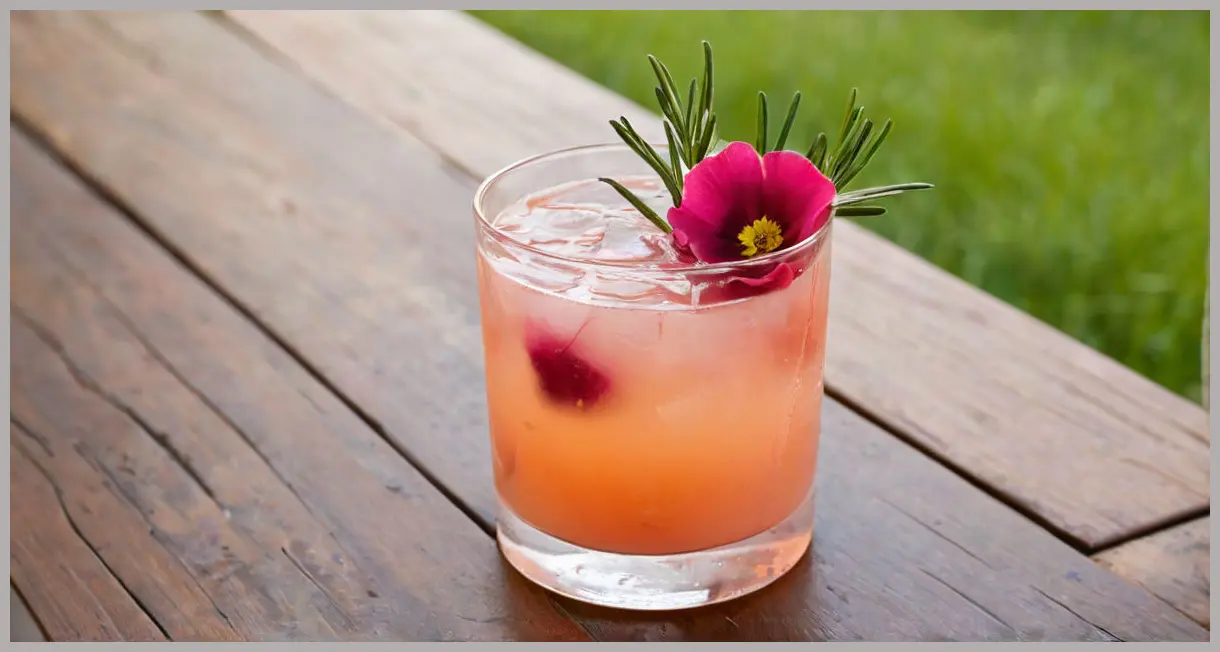
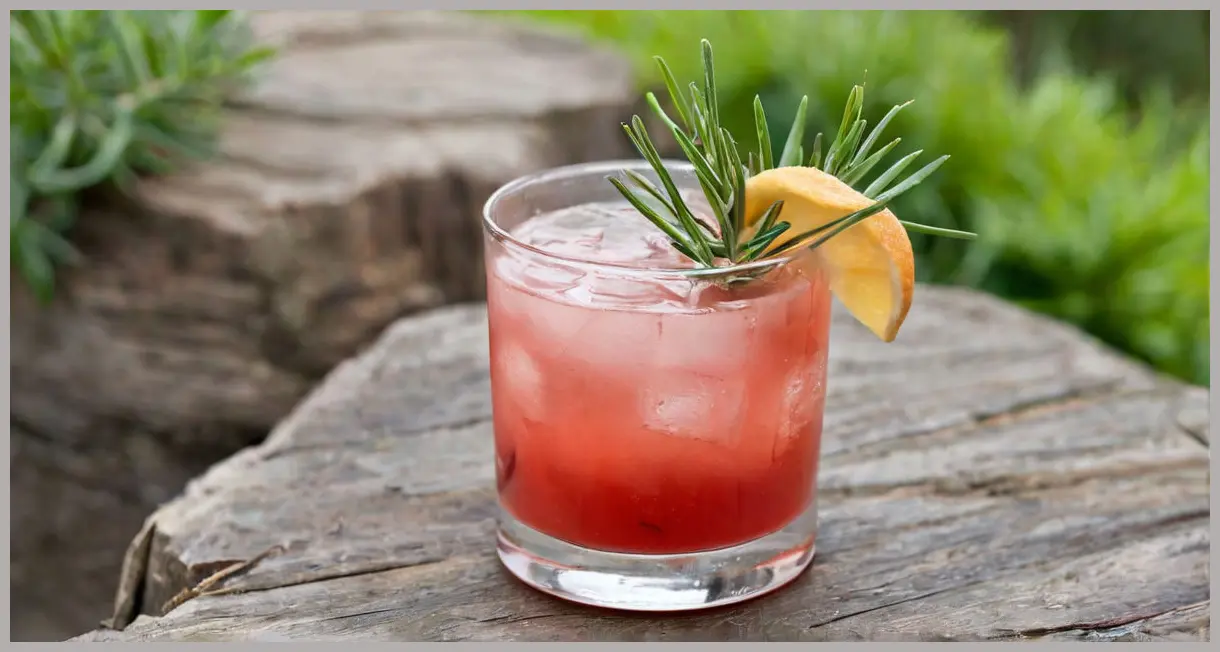
The overall impression is a cocktail that is at once vibrant and invigorating, yet possesses a surprising warmth and depth. It’s remarkably approachable, boasting an “Easy” difficulty rating and a “Hands-on time 5 min.” commitment, making it perfect for a spontaneous treat or an effortless entertaining option. Visually, the drink is often a beautiful soft pink, adorned with a fresh rosemary sprig and an optional edible flower, making it as pleasing to the eye as it is to the palate. It’s the perfect embodiment of spring in a glass: fresh, lively, and utterly delightful.

Unpacking the Key Players: Ingredient Spotlight
While every ingredient in the Rhubarb and ginger cocktail plays a vital role, two stand out as the pillars of its unique identity: rhubarb gin and ginger wine. Understanding these core components will not only enhance your appreciation for the cocktail but also empower you to explore similar flavor profiles in future creations.
Rhubarb Gin: The Star of the Show
Originating from the burgeoning world of flavored gins, rhubarb gin has soared in popularity for its distinctive character. Traditional gin’s botanical backbone—often featuring juniper, coriander, and citrus peels—provides a robust platform for infusions. When rhubarb is introduced, either through maceration (steeping rhubarb in gin) or distillation with rhubarb essences, it imparts a beautiful rosy hue and a complex flavor profile.
Flavor Profile: Rhubarb itself is known for its tartness, often likened to sour green apples or cranberries, but with an underlying earthy sweetness. In gin, this translates to a bright, tangy front that quickly mellows into a more rounded, slightly sweet finish. The botanical notes of the gin still shine through, providing structure and sophistication. The specific brand we mentioned, Warner’s, is renowned for its natural fruit gins, often yielding a richer, more authentic rhubarb flavor compared to some artificial counterparts. Choosing a good quality rhubarb gin is paramount, as it forms the very soul of this cocktail. Its unique balance of tart, sweet, and botanical notes is what truly sets the Rhubarb and ginger cocktail apart.
Importance to the Cocktail: Rhubarb gin isn’t just an ingredient; it is the foundation. It provides the primary flavor, the delightful color, and the inherent “springy” character of the drink. Without it, the cocktail would simply lack its defining essence, transforming into something entirely different.
Stone’s Ginger Wine: The Warming Embrace
Ginger wine is a less commonly found but incredibly versatile ingredient in the cocktail world, and Stone’s Ginger Wine is perhaps the most iconic example. Historically, ginger wines have been produced for centuries, often as medicinal tonics or warming beverages during colder months. They are typically made by fermenting ginger root with various sugars and spices, then often fortified with spirits.
Flavor Profile: The hallmark of ginger wine is, unsurprisingly, its robust ginger flavor. This isn’t the subtle, fresh zest of ginger; it’s a deep, spicy, and warming heat, often accompanied by a significant amount of sweetness. It can range from a fiery kick to a mellow, candied ginger note, depending on the brand. Stone’s is known for its distinctive balance, offering a potent ginger spice alongside a syrupy sweetness and a slight wine-like fermentation character.
Importance to the Cocktail: In the Rhubarb and ginger cocktail, Stone’s ginger wine plays a crucial role in providing warmth, depth, and a counterpoint to the rhubarb’s tartness and the lemon’s acidity. It adds a comforting, almost autumnal layer of spice that makes the drink more complex and intriguing. It prevents the cocktail from being one-dimensional, introducing a rich, spicy sweetness that harmonizes beautifully with the fruit and citrus notes. It elevates the drink from merely refreshing to a nuanced experience, offering both zest and comfort.
The Supporting Cast: Triple Sec and Lemon Juice
While rhubarb gin and ginger wine are the stars, the supporting cast ensures a well-rounded performance.
- Triple Sec (Orange Liqueur, such as Cointreau): This clear, orange-flavored liqueur adds a delicate sweetness and a subtle, bright citrus note that complements the lemon juice and bridges the gap between the fruit and spice elements. Cointreau, a premium triple sec, offers a particularly refined orange essence.
- Lemon Juice: Freshly squeezed lemon juice is non-negotiable. Its vibrant acidity provides the necessary brightness and balance, ensuring the cocktail is zesty and refreshing, cutting through the sweetness of the liqueurs and wine.
By appreciating the individual contributions of these ingredients, you’re not just following a recipe; you’re understanding the architectural design of a truly delicious drink.
Mastering the Mix: Step-by-Step Instructions
Creating your own Rhubarb and ginger cocktail is incredibly straightforward, especially given its “Easy” difficulty rating and quick “Hands-on time 5 min.” While the recipe itself is simple, paying attention to a few foundational bartending techniques will elevate your drink from good to truly exceptional.
What You’ll Need: Tools of the Trade
Before you begin, gather your equipment. Having everything at hand ensures a smooth and enjoyable mixing process.
- Jigger or Measuring Spoons: Precision is key in cocktails. A jigger (a double-sided measuring tool) is ideal for accurate liquid measurements.
- Cocktail Shaker, Mixing Glass, or Jug: The recipe specifies “cocktail shaker, mixing glass or jug.” Given the instruction to “stir well,” a mixing glass (a sturdy, often weighted glass designed for stirring cocktails) or a simple jug is perfectly suitable. A shaker can also be used, but you’d still be stirring, not shaking.
- Bar Spoon: A long, twisted spoon designed for stirring drinks in tall vessels.
- Strainer: A Hawthorne strainer (with a spring coil) or a Julep strainer (perforated spoon-like) will work to separate ice from the liquid.
- Cocktail Glass: Chilled, if possible. A coupette, martini glass, or even an elegant stemmed wine glass would be suitable.
- Ice: Plenty of fresh, clean ice for both chilling the drink and serving.
The Crafting Process:
Here’s how to bring your Rhubarb and ginger cocktail to life, with a few pro tips embedded:
-
Preparation is Key: Start by gathering all your liquid ingredients: 50ml rhubarb gin, 25ml triple sec, 20ml Stone’s ginger wine, and 20ml fresh lemon juice. Ensure your lemon is freshly squeezed for the brightest flavor – bottled lemon juice simply won’t yield the same quality. If you plan to use an edible flower, make sure it’s unsprayed and ready. Chill your cocktail glass in advance by filling it with ice and a splash of water, letting it sit for a few minutes, then discarding before pouring your drink.
-
Combine and Stir (The Heart of the Process):
- Step 1: “Put the rhubarb gin, triple sec, ginger wine and lemon juice in a cocktail shaker, mixing glass or jug. Add ice, stir well, then strain into a cocktail glass. Add a rosemary sprig and, if you like, an unsprayed edible spring flower.”
Let’s break this single, powerful step down for maximum impact:
- Adding Ingredients: Carefully measure each liquid ingredient using your jigger and pour them into your chosen mixing vessel (shaker, mixing glass, or jug). Accuracy here ensures the perfect balance of flavors.
- The Importance of Ice: Add a generous amount of fresh ice to your mixing vessel. Do not skimp on ice! Using plenty of ice chills the drink more effectively and with less dilution than using only a few cubes. It also helps to prevent the ice from melting too quickly during the stirring process.
- The Art of Stirring: The instruction is to “stir well.” Unlike shaking (which incorporates air and creates a frothy texture, ideal for drinks with citrus, eggs, or cream), stirring is used for spirit-forward cocktails or those where clarity and a gentle, controlled dilution are desired. For the Rhubarb and ginger cocktail, stirring gently chills the liquids and allows the flavors to meld seamlessly without excessive aeration.
- Technique: Place your bar spoon into the mixing vessel, ensuring the back of the spoon rests against the side of the glass. Using your wrist, gently stir the liquids in a circular motion, allowing the spoon to glide along the inside of the vessel. Stir for about 20-30 seconds, or until the outside of the mixing glass feels frosty and cold to the touch. This ensures optimal chilling and just the right amount of dilution.
- The Strain: Once sufficiently chilled, remove the ice from your chilled cocktail glass (if you used it to chill). Place your strainer over the mouth of your mixing vessel and carefully pour the chilled cocktail into the prepared glass. This separates the perfectly mixed liquid from the ice used for chilling, ensuring a smooth, elegant presentation and preventing over-dilution.
- The Final Flourish: Garnish: This is where your cocktail truly comes alive visually. Take a fresh rosemary sprig. You might gently clap it between your palms for a second to release its aromatic oils before placing it in the glass. If you have an unsprayed edible spring flower (such as a pansy, viola, or borage flower), delicately float it on the surface of the drink. The rosemary adds a beautiful green contrast and a subtle, herbaceous aroma that complements the zesty notes. The edible flower adds a touch of whimsical elegance and vibrant color, truly celebrating spring.
And there you have it – a perfectly crafted Rhubarb and ginger cocktail, ready to be savored!
Elevating Your Experience: Serving Suggestions & Creative Variations
Once you’ve mastered the basic recipe for the Rhubarb and ginger cocktail, you can begin to explore ways to enhance your enjoyment and even put your own creative spin on this delightful drink. A great cocktail isn’t just about the ingredients; it’s also about the presentation and the personal touch.
The Perfect Presentation: Glassware and Garnishes
The way a cocktail is presented significantly impacts the drinking experience. For the Rhubarb and ginger cocktail, elegance and a nod to its spring character are key.
-
Glassware:
- Coupette or Coupe Glass: This classic stemmed glass, with its broad, shallow bowl, is an ideal choice. Its graceful silhouette beautifully showcases the cocktail’s soft pink hue and provides ample surface area for the aromatic garnishes. Chilling a coupe glass beforehand is highly recommended.
- Martini Glass: Similar to the coupe, a chilled martini glass also works wonderfully, offering a sophisticated and iconic presentation.
- Chilled Nick & Nora Glass: This smaller, more delicate stemmed glass is perfect for cocktails designed to be sipped slowly and savored. It’s elegant and helps to keep the drink cold.
- Fancy Tumbler/Rocks Glass: For a more casual yet still refined approach, a heavy-bottomed, chilled rocks glass can also be suitable. While not traditional for this style of cocktail, it can be a comfortable choice, especially if you prefer holding a more substantial glass.
A dynamic and fresh take on spring’s favorite sip. 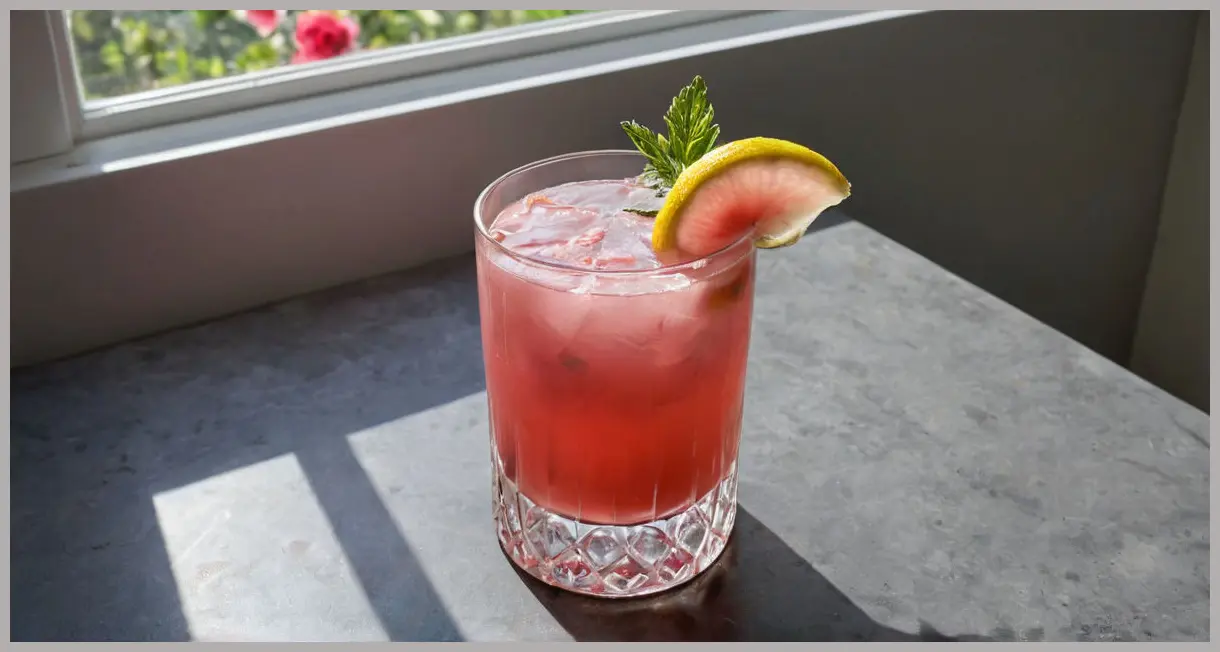
Intimate moments with a mysterious spring delight. -
Garnishes (Beyond the Recipe):
- Rosemary Sprig & Edible Flower (as per recipe): These are fantastic. To make the rosemary more fragrant, give it a gentle slap between your palms before placing it in the drink.
- Lemon Twist/Peel: A beautifully cut lemon twist (a strip of lemon zest) can add another layer of aromatic citrus. Express the oils by twisting it over the drink before dropping it in or perching it on the rim.
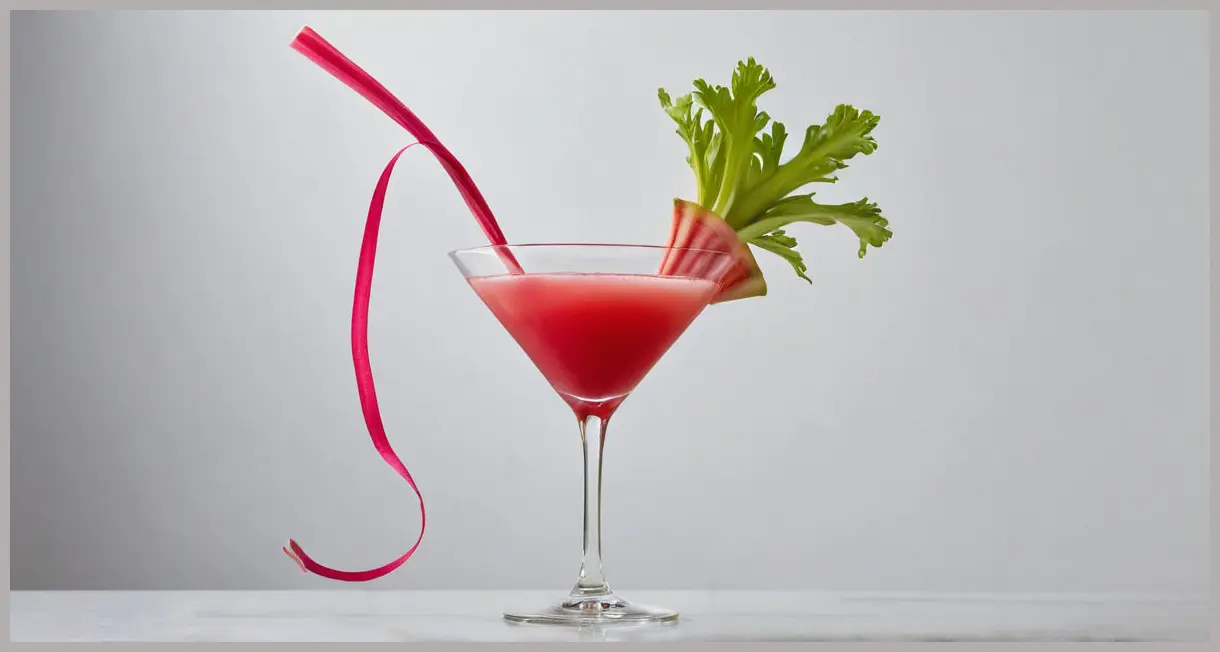
- Rhubarb Ribbon: For a truly artisanal touch, use a vegetable peeler to create a thin ribbon of fresh rhubarb. You can gently curl it inside the glass or drape it over the rim. It’s a striking visual that reinforces the star ingredient.
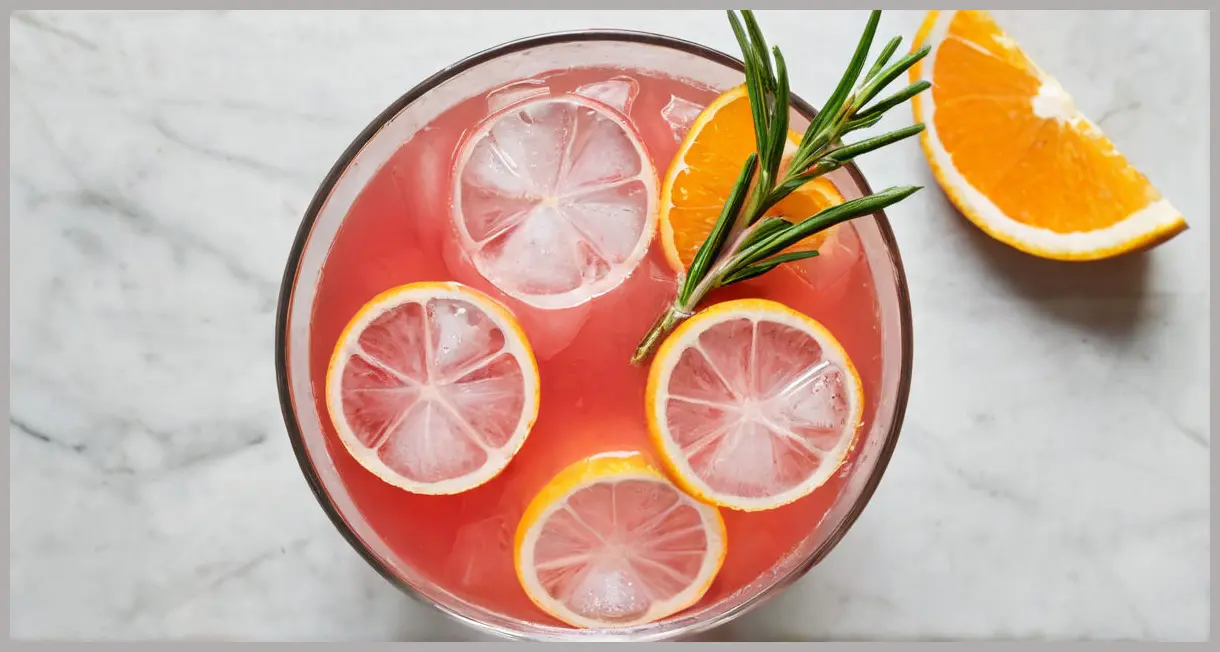
- Dehydrated Citrus Wheel: A thin slice of dehydrated lemon or orange can add an elegant, subtle fragrance and a longer-lasting garnish.
Creative Variations and Substitutions
One of the most exciting aspects of home bartending is the freedom to experiment. While the Rhubarb and ginger cocktail is perfect as is, you can certainly adapt it to your taste preferences or ingredient availability.
-
Gin Base Variations:
- Other Flavored Gins: If rhubarb gin isn’t available, or you want to try a different profile, consider a strawberry gin for a sweeter, berry-forward take, or a classic dry gin if you prefer the tartness of the rhubarb to be more pronounced (you might need a touch more sweetness then).
- Vodka: For a lighter, cleaner base that lets the rhubarb and ginger shine even more, swap the gin for a good quality vodka.
-
Ginger Alternatives:
- Ginger Liqueur: If Stone’s ginger wine is hard to find, a high-quality ginger liqueur (like Domaine de Canton) can offer a similar spicy-sweet profile, though you may need to adjust the amount as liqueurs can be stronger.
- Ginger Syrup + White Wine: You can create your own ginger syrup (fresh ginger, sugar, water) and combine a small amount with a dry white wine (like a Pinot Grigio) to approximate the ginger wine’s profile.
- Ginger Beer/Ale (for a Spritz): For a lighter, effervescent version, prepare the cocktail as directed but strain it over fresh ice into a tall glass, then top with a splash of good quality ginger beer or ginger ale. This makes for a fantastic Rhubarb and Ginger Spritz, perfect for a hot day.
-
Sweetness and Citrus Adjustments:
- Adjusting Sweetness: If you find the drink too tart, add a small dash (5-10ml) of simple syrup (equal parts sugar and water, dissolved) to the mixing glass. If too sweet, increase the lemon juice slightly.
- Orange Liqueur Alternatives: While Cointreau is excellent, other triple secs or even Grand Marnier (a more cognac-based orange liqueur) can be used. For a less sweet orange note, a dash of orange bitters can provide aromatic complexity without added sugar.
-
Spice Level Enhancement:
- Fresh Ginger: For an extra kick, add a thin slice or two of fresh ginger to your mixing glass along with the other ingredients before stirring.
- A Dash of Bitters: A dash of Angostura bitters or even a specialized ginger bitters can add more depth and spice.
-
Non-Alcoholic Version: Don’t want the alcohol but love the flavors?
- Combine a good quality rhubarb syrup, ginger cordial (or ginger syrup), fresh lemon juice, and top with sparkling water or soda water. A non-alcoholic “gin” alternative could also be used.
Experimentation is the heart of discovery in mixology. Don’t be afraid to tweak ratios, swap ingredients, and discover your own perfect version of the Rhubarb and ginger cocktail. Keep notes on what you try, and soon you’ll have a repertoire of custom drinks tailored exactly to your palate.
Your Next Sip Awaits: Conclusion
And there you have it – a comprehensive journey into the delightful world of the Rhubarb and ginger cocktail. From its “Easy” preparation time of just “5 min.” to its vibrant “zesty, springy” character, this drink truly embodies the perfect balance of approachability and sophistication. We’ve peeled back the layers of its unique flavor profile, delved into the intriguing stories behind its key ingredients, and meticulously walked through the steps required to craft it to perfection.
This isn’t just a recipe; it’s an invitation to explore the boundless creativity of home bartending. You now possess the knowledge and confidence to create a stunning, seasonal drink that is sure to impress. Remember, the beauty of mixology lies not only in following instructions but also in understanding the “why” behind each ingredient and technique.
So, gather your tools, source those fantastic rhubarb gin and ginger wine, and embark on your own cocktail adventure. Don’t hesitate to experiment with the suggested variations, or even invent your own. The world of flavors is vast and exciting, and with the Rhubarb and ginger cocktail as your delicious starting point, you’re well on your way to becoming a confident and creative home mixologist. Cheers to many more delicious sips ahead – make them your own!


Leave a Reply