
The Art of the Perfect Negroni: Your Go-To Guide for Effortless Elegance
The world of cocktails can often feel exclusive, shrouded in complex techniques and esoteric ingredients that seem only accessible to seasoned mixologists. But what if we told you that creating a sophisticated, utterly delicious cocktail at home could be as simple as stirring a few iconic spirits together? Enter the Negroni, a timeless Italian classic that embodies both punchy flavour and remarkable approachability. This isn’t just a drink; it’s an experience, and one that is surprisingly easy to replicate in your own kitchen or home bar.
Whether you’re hosting a festive holiday gathering, a casual weekend soirée, or simply unwinding after a long day, the Negroni stands ready to elevate any moment. Its vibrant hue and unmistakable aroma beckon, promising a journey of bitter-sweet perfection. In this comprehensive guide, we’ll demystify the art of crafting this beloved libation, transforming you from an eager enthusiast into a confident home bartender. Prepare to impress your guests and delight your palate with a cocktail that’s not just a drink, but a statement of effortless elegance.

The Iconic Negroni: A Symphony of Bittersweet Elegance
At its heart, the Negroni is a celebration of balance. Originating in Florence, Italy, around 1919, this cocktail was reportedly concocted for Count Camillo Negroni, who requested his Americano be fortified with gin instead of soda water. The result? A legend was born. It’s a spirit-forward masterpiece that gracefully marries three distinct personalities into a harmonious whole. The official description hints at its charm: “This punchy Italian cocktail, with its classic bitter-sweet flavours, is so easy to make for a Christmas party or New Year’s Eve celebration – or at any other time of year, really.” Indeed, its versatility knows no bounds.
The flavour profile of a classic Negroni is a captivating dance between bitter and sweet, underscored by a profound herbaceousness and a bright, zesty citrus finish. It’s robust without being overwhelming, sophisticated without being pretentious. The initial sip often delivers a delightful bitterness from the Campari, which then gracefully yields to the sweet, spiced notes of vermouth and the complex botanical backbone of the gin. The overall impression is one of warmth, depth, and invigorating refreshment. It’s the quintessential aperitivo – designed to awaken the palate and prepare it for a meal, yet it’s equally at home as a digestivo or simply a sublime standalone sip. Its distinctive red-orange hue is as inviting as its taste, making it not just a drink, but a visual treat. What makes it truly unique is its unwavering 1:1:1 ratio, a testament to the idea that simplicity, when done right, can achieve perfection.
Ingredient Spotlight: The Holy Trinity of the Negroni
The magic of the Negroni lies in its unyielding commitment to just three primary liquid ingredients, each playing a crucial, irreplaceable role. Understanding these components is key to appreciating the cocktail’s depth and balance.

Gin: The Botanical Backbone
(300ml gin (Plymouth or Martin Miller’s works well))
Gin, the spirit base of the Negroni, is distilled from grain and infused with botanicals, primarily juniper berries, which give it its distinctive piney flavour. While London Dry Gin is the most common, the suggestion of Plymouth or Martin Miller’s is a subtle nod to nuance. Plymouth Gin, hailing from England’s south coast, is slightly sweeter and more earthy than a traditional London Dry, with a softer juniper profile. Martin Miller’s Gin, known for its pure taste, is crafted using Icelandic spring water and a double distillation method, resulting in a smooth, elegant, and less assertive botanical character.
In a Negroni, gin provides the complex aromatic framework. Its botanical notes, whether bright citrus, spicy coriander, or earthy angelica, weave through the Campari and vermouth, preventing the drink from becoming one-dimensional. Using a gin like Plymouth or Martin Miller’s ensures a smoother, less juniper-dominant foundation, allowing the other two bold ingredients to shine without being overshadowed. It’s the silent leader, holding the entire symphony together with its refined elegance.
Campari: The Heart of the Bitter
(300ml Campari)
Instantly recognizable by its vibrant crimson hue and distinctive bitter taste, Campari is an Italian apéritif that needs no introduction. Created in Novara, Italy, in 1860 by Gaspare Campari, its exact recipe remains a closely guarded secret, said to include a blend of aromatic herbs, fruit peels, and spices. The most prominent flavour notes are bitter orange, cherry, and an array of complex, herbaceous undertones.
Campari is the defining characteristic of the Negroni, providing its iconic bitterness and the majority of its rich colour. Without Campari, it wouldn’t be a Negroni. It’s the assertive personality that challenges the palate, preparing it for the layers of flavour to come. Its unique bitterness is not merely a taste; it’s an experience, cutting through the sweetness of the vermouth and harmonizing with the gin’s botanicals, creating that sought-after punchy profile.
Sweet Vermouth: The Unsung Hero of Harmony
(300ml sweet vermouth (red is traditional but white is fine))
Sweet vermouth, often called “red vermouth” or “vermouth rosso,” is an aromatized, fortified wine that originated in Italy. It’s infused with a variety of botanicals, including herbs, spices, and roots, which contribute to its complex flavour profile. Typically sweet, with notes of dried fruit, caramel, vanilla, and sometimes a hint of baking spices, sweet vermouth plays a crucial role in balancing the robust gin and the intense bitterness of Campari.
In the Negroni, sweet vermouth acts as the binder, bringing all the disparate elements into perfect harmony. It mellows Campari’s sharpness and adds a lush, rich mouthfeel that rounds out the cocktail. While traditional recipes call for red sweet vermouth, experimenting with a white sweet vermouth (or even a dry vermouth in some variations) can lead to a lighter, perhaps less sweet, and more botanical expression of the drink, showcasing its adaptability. Choose a good quality vermouth, as its flavour profoundly impacts the final cocktail.
Crafting Your Perfect Negroni: A Simple Guide
The beauty of the Negroni lies not only in its exquisite taste but also in its deceptive simplicity. With just one core step, repeated for multiple servings, you can achieve cocktail perfection. Remember, this recipe makes a generous 10 servings, making it ideal for entertaining!
Preparation is Key
Before you even touch a bottle, ensure you have all your ingredients chilled and your tools ready. You’ll need:
- A large glass jug
- A long stirring spoon
- A jigger or measuring cups for precise liquid measurements
- Short glasses (Old Fashioned or rocks glasses) for serving
- Plenty of good quality ice cubes
- Your garnishes prepared: thinly sliced orange zest (and optional lime zest).
The Step-by-Step Instructions:
-
Combine the Liquids: Pour all the liquid ingredients (300ml gin, 300ml Campari, 300ml sweet vermouth) into a large glass jug with plenty of fresh ice cubes. The exact 1:1:1 ratio is crucial here – it’s the golden rule of the Negroni. Using a jigger ensures accuracy, which is paramount for this balanced cocktail.

-
Stir and Chill: Stir the mixture with a long spoon for about 30-60 seconds. This isn’t just about mixing; it’s about chilling and slightly diluting the cocktail. Unlike drinks with fruit juice or egg whites that benefit from vigorous shaking, spirit-forward cocktails like the Negroni are typically stirred. Stirring gently chills the drink without aerating it excessively, maintaining its smooth texture and elegant appearance. As you stir, the ice will slightly melt, adding just the right amount of water to open up the flavours without watering them down.
-
Strain and Serve: Once thoroughly chilled, strain the mixture into 10 short glasses, each containing a few fresh ice cubes. Always use fresh ice for serving; the ice used for chilling might be too diluted or have absorbed too much heat. The fresh ice will keep your drink perfectly cold without over-diluting it. Give each individual glass a brief stir to ensure even chilling.
-
Garnish with Zest: Garnish each glass with a twist of orange zest. To do this, simply twist the strip of zest over the drink to express its fragrant oils directly into the cocktail before dropping it in. The aroma of fresh orange oil beautifully complements the bitter-sweet notes of the Negroni. If you desire an extra layer of sharp citrus, you can also add a thinly sliced lime zest as an optional garnish. The visual appeal of the vibrant zest against the deep red of the drink is half the experience!

Helpful Tips for Beginners:
- Ice Quality Matters: Use large, dense ice cubes if possible. They melt slower, diluting your drink less and keeping it colder for longer. Avoid crushed or cloudy ice.
- Precision is Power: While making cocktails for 10, consistency is important. Stick to the 1:1:1 ratio.
- Fresh is Best: Always use fresh citrus zest for garnishing. The aromatic oils released are crucial for the full sensory experience.
- Taste as You Go (for variations): While the classic Negroni ratio is sacred, if you ever venture into variations, always taste and adjust to your preference.
Serving Suggestions & Variations: Make It Your Own
The classic Negroni is a marvel, but part of its charm lies in its adaptability. Once you’ve mastered the original, you’ll find a world of possibilities for personalization and pairing.
The Perfect Presentation
- Glassware: The Negroni is traditionally served in a short glass, often referred to as an Old Fashioned glass or rocks glass. Its sturdy base and wide mouth perfectly accommodate ice and allow for the aromatic zest to be fully appreciated.
- Garnish: The orange zest is the quintessential garnish. For an extra touch, you can use a vegetable peeler to pare a wide strip of orange peel, then trim it into an elegant rectangle or twist. The optional lime zest adds a brighter, tangier aromatic lift, which can be particularly refreshing.
- Temperature: Always serve your Negroni well-chilled, over fresh ice. This ensures the flavours remain crisp and the drink maintains its refreshing quality throughout.
Beyond the Glass: Food Pairings
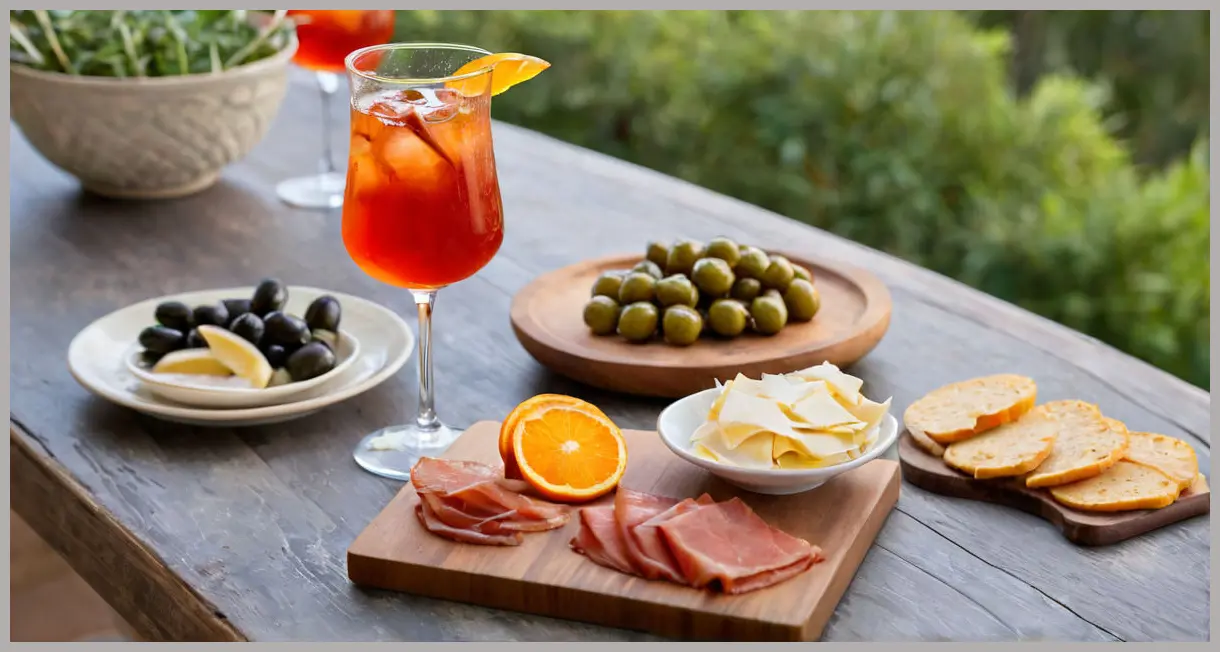
As an iconic Italian aperitivo, the Negroni is designed to stimulate the appetite. It pairs wonderfully with a variety of small bites:
- Charcuterie: Cured meats like prosciutto, salami, and bresaola.
- Cheeses: Hard, salty cheeses such as Parmesan or aged pecorino, or even a creamy gorgonzola.
- Olives: Marinated olives or a mix of Italian varieties.
- Savory Snacks: Taralli (Italian crackers), bruschetta, or artisanal potato chips.
The bitter notes of the Negroni cut through rich, fatty foods, while its sweetness complements salty snacks, making it a perfect pre-dinner companion.
Exploring Negroni Variations
The Negroni serves as an excellent foundation for creative exploration. Here are a few popular variations to inspire you:
- The Americano: The Negroni’s older sibling, this cocktail replaces gin with soda water (Campari, sweet vermouth, soda water). It’s a lighter, sparkling option perfect for daytime sipping.
- The Boulevardier: For whiskey lovers, this variation substitutes gin with bourbon or rye whiskey (whiskey, Campari, sweet vermouth). It offers a richer, warmer, and slightly spicier profile, perfect for colder evenings.
- The White Negroni: A modern twist that swaps out the red Campari for a lighter, often gentian-based bitter liqueur (like Suze or Salers Aperitif) and sometimes dry vermouth instead of sweet. This results in a paler, more herbaceous, and often drier cocktail with distinct floral notes.

- Experiment with Gin: Try different styles of gin. A more botanical or even a navy strength gin can introduce new complexities.
- Different Vermouths: Explore various brands of sweet vermouth; each has its own unique blend of herbs and spices. You might find a favourite that perfectly complements your chosen gin and Campari.
- A Dash of Bitters: A dash of orange bitters can enhance the citrus notes and add another layer of complexity.
Don’t be afraid to experiment with proportions (though 1:1:1 is classic for a reason!) or even consider barrel-aging a batch for an incredibly smooth and mellow experience (a project for the more advanced enthusiast!). The beauty of the Negroni is that it provides a sturdy canvas for your personal touch.
Conclusion: Embrace Your Inner Mixologist with the Negroni
From its illustrious Italian origins to its current status as a global cocktail icon, the Negroni stands as a testament to the power of simplicity and balance. We’ve journeyed through its vibrant flavour profile, celebrated its essential ingredients, and walked step-by-step through its remarkably easy creation process. What might have seemed intimidating is, in fact, an incredibly approachable gateway into the world of sophisticated mixology.
Whether you’re crafting a single drink for a quiet evening or batching a large jug for a lively gathering of 10, the Negroni promises a delightful experience. Its bold, bitter-sweet dance is consistently rewarding, and its preparation is a testament to the fact that you don’t need a professional bar setup to create something truly extraordinary. So, gather your gin, Campari, and sweet vermouth, prepare your zest, and embrace the joy of becoming your own home bartender. Experiment with the suggested variations, discover your favourite pairings, and most importantly, make this timeless classic your own. Cheers to mastering the art of the perfect Negroni!


Leave a Reply