
Unlock Summer’s Secret: Craft Your Own Refreshing Elderflower Fizz at Home
There’s an undeniable magic in crafting your own drinks, a sense of accomplishment that goes far beyond simply popping open a store-bought bottle. Imagine serving a sparkling, homemade beverage that delights the senses and perfectly captures the essence of a warm, sun-drenched day. If the idea of replicating professional-quality drinks at home sounds daunting, think again! We’re here to guide you through creating a truly delicious and surprisingly approachable cocktail that will become your new summer staple: the Elderflower Fizz. This isn’t just a drink; it’s an experience, a delightful journey into the world of natural fermentation and fresh, vibrant flavors. Get ready to impress your friends and treat yourself to a bubbly, fragrant sensation that’s easier to make than you might ever have believed.
The Enchanting Profile of the Elderflower Fizz
The Elderflower Fizz is more than just a beverage; it’s a celebration of summer in a glass. This light and fragrant drink offers a delicate sweetness perfectly balanced by a zesty tang, making it an exquisite summer refresher. What truly sets it apart is its charming simplicity and incredibly low alcohol content (around 1.5% ABV once fermented), presenting a fantastic, naturally effervescent alternative to traditional shop-bought bubbly or high-alcohol cocktails. It’s perfect for those who appreciate nuanced flavors and a gentle, uplifting sparkle without the heavy head.
Crafting this delightful concoction is categorized as “Easy,” making it an ideal project for beginner-to-intermediate cocktail enthusiasts eager to explore home fermentation. While the process involves a hands-on time of just 10 minutes, the magic truly happens over a period of infusing and fermenting. The result is a generous yield of about 3 litres, ensuring you’ll have plenty to share – or to keep all to yourself! Its unique charm lies in its subtle floral notes, vibrant lemony zest, and a gentle effervescence that tickles the palate, leaving a clean, crisp finish. It’s a drink that evokes images of English country gardens and leisurely afternoon gatherings, a true testament to the beauty of natural ingredients.
Star Ingredients: The Heart of Your Elderflower Fizz
Every exceptional drink starts with exceptional ingredients. For our Elderflower Fizz, the stars are humble yet profoundly impactful. Understanding their roles is key to appreciating the depth of flavor you’re about to create.
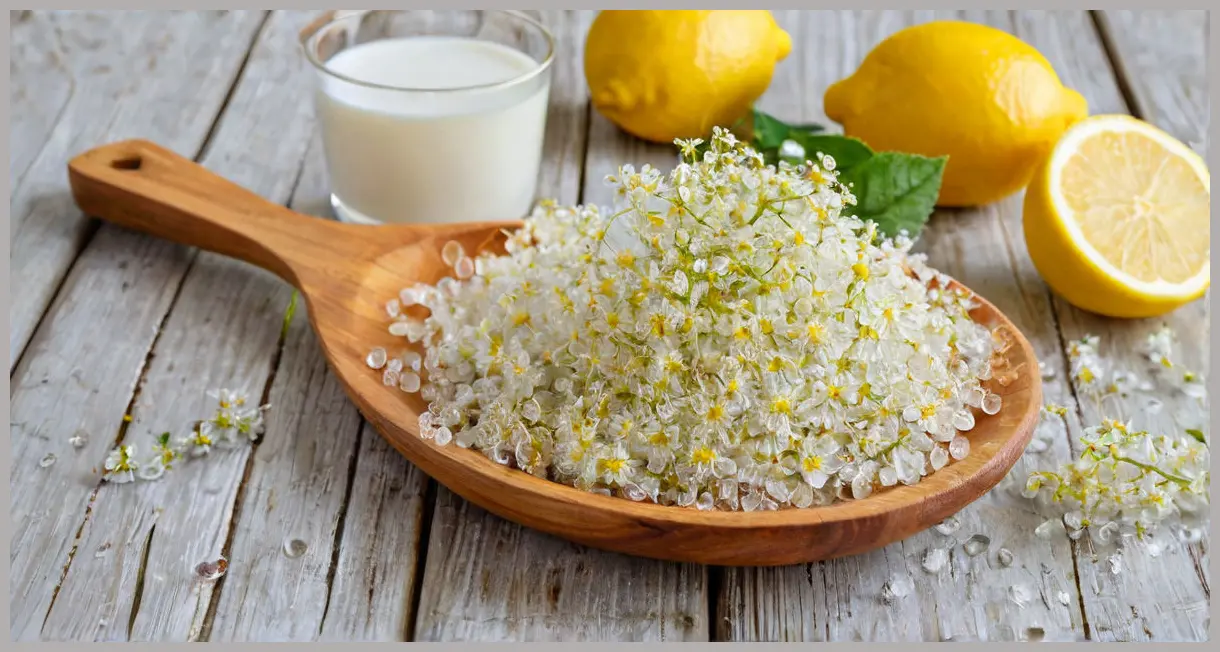
Elderflower Heads: These delicate, creamy-white blossoms are the soul of our fizz. Found in hedgerows and woodlands during late spring and early summer, elderflowers possess a unique, highly aromatic, and slightly sweet fragrance that translates beautifully into a drink. Their delicate floral notes are truly incomparable, providing the signature perfumed character of the fizz. When picking elderflower, always choose fresh, vibrant heads away from busy roads, and give them a gentle shake to dislodge any tiny inhabitants before using. Their ephemeral nature makes this a seasonal treat, a true taste of summer.
Lemon (Pared Zest and Juice): Far from being just a garnish, lemon plays a dual crucial role here. The pared zest contributes essential aromatic oils, adding a bright, citrusy backbone that complements the elderflower without overpowering it. The juice, on the other hand, provides the vital acidity needed to balance the sweetness of the sugar and, critically, kickstarts the fermentation process. It’s the zing that keeps the drink from becoming cloyingly sweet and adds that refreshing tartness.
Caster Sugar: While often seen as just a sweetener, sugar in this recipe is also the fuel for fermentation. The yeast naturally present on the elderflower and in the air will consume the sugar, producing carbon dioxide (our fizz!) and a small amount of alcohol. Caster sugar dissolves easily, ensuring a smooth start to the process.
White Wine Vinegar: This might seem like an unusual addition, but it’s a secret weapon in homemade fizzes. The vinegar helps to create an acidic environment that encourages the right kind of fermentation, preventing unwanted bacteria from taking hold. It also adds a subtle, almost imperceptible tang that enhances the overall complexity and brightness of the drink, making it more refreshing.
Together, these simple ingredients transform into a complex and delightful beverage, proving that often, the best things in life are made from nature’s bounty with a little time and care.
Your Step-by-Step Guide to Crafting Elderflower Fizz
Ready to embark on your fizzy adventure? Here’s a clear, concise guide to creating your very own Elderflower Fizz. Remember, precision and patience are your best friends in home fermentation.
-
- Preparation and Infusion (Hands-on time: 10 minutes)
- Begin by gently shaking your freshly picked elderflower heads to dislodge any insects. Carefully inspect them to ensure they are clean and free of any unwanted guests.
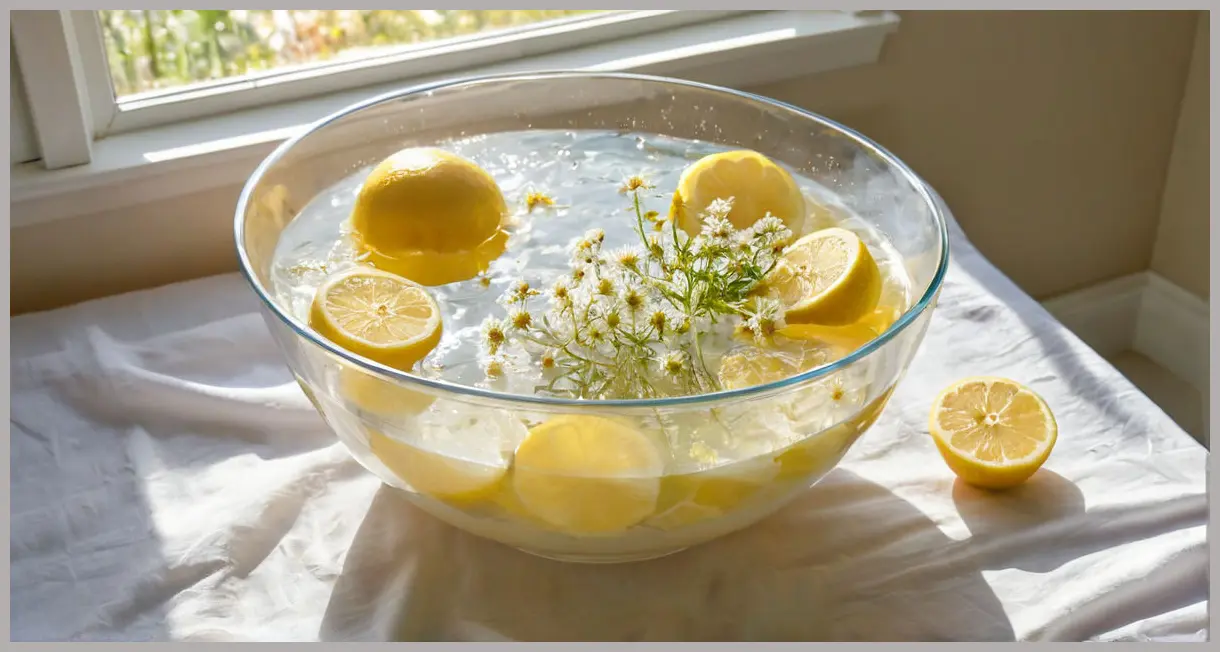
- Place the prepared elderflowers into a large, clean bowl. Add the pared zest and juice of one small lemon, the 465g of caster sugar, and 4 tsp of white wine vinegar.
- Gently pour 3 litres of tepid (lukewarm) water over the mixture. Stir thoroughly until the sugar has completely dissolved. This ensures the yeast has ample fuel.
- Loosely cover the bowl with a piece of fine muslin cloth. This allows air circulation while keeping out dust and insects.
- Transfer the bowl to a cool, dark place and leave it to infuse for 24 hours. During this time, the elderflower’s delicate flavors will meld with the lemon and sugar, and the natural fermentation process will begin its subtle magic.
- Preparation and Infusion (Hands-on time: 10 minutes)
-
- Straining and Bottling
- After 24 hours, the infusion process is complete. Working in batches if necessary, carefully strain the mixture into a clean jug. Use a fine muslin cloth stretched over a sieve to ensure all solid particles (elderflower, lemon zest) are removed, leaving you with a clear liquid.
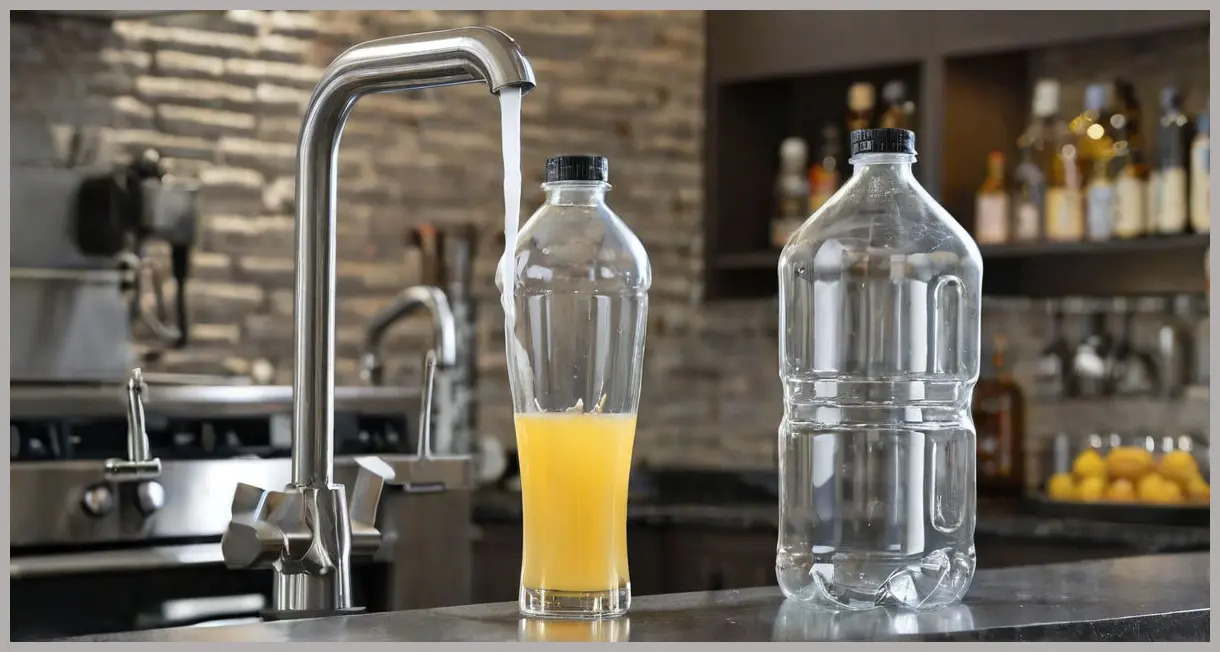
- Using a large funnel, carefully pour the strained liquid into two 2-litre plastic drinks bottles. Crucially, leave a generous gap of about 5cm (approximately 2 inches) at the top of each bottle. This headspace is vital to accommodate the build-up of carbon dioxide during fermentation, preventing the bottles from over-pressurizing.
- Once filled with the appropriate headspace, seal the bottles tightly.
- Straining and Bottling
-
- Fermentation and Chilling
- Return the sealed plastic bottles to a cool, dark place for the fermentation process to continue. This stage will last for approximately 2 weeks.
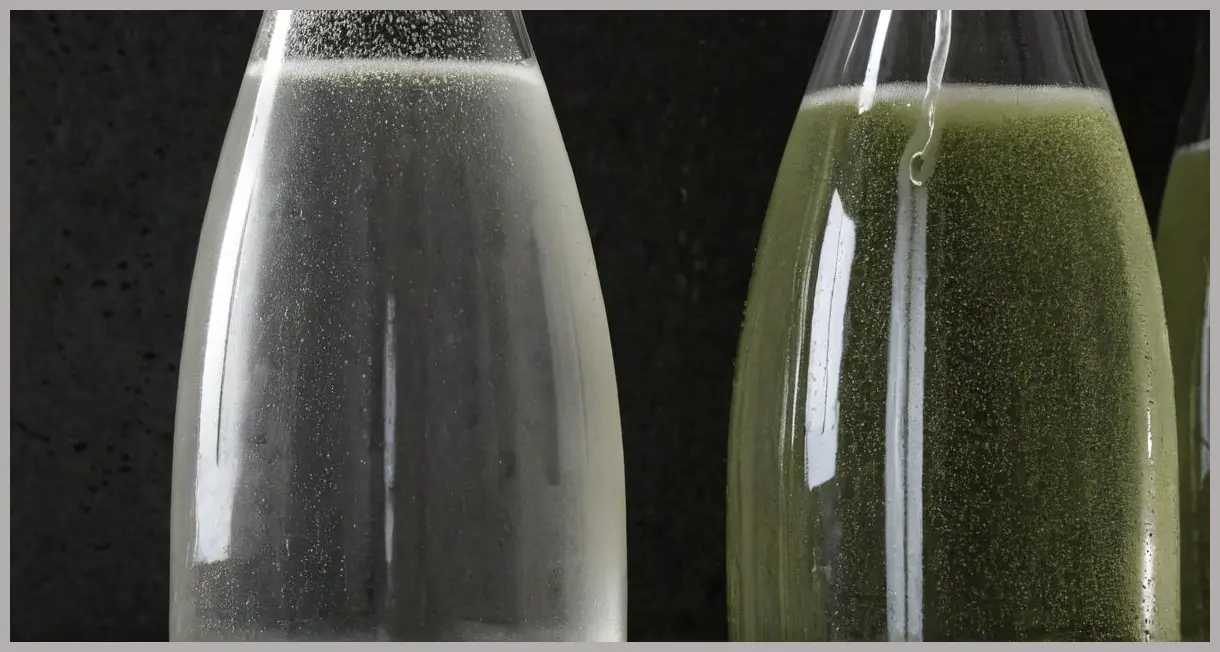
- Regularly check on your bottles. As fermentation progresses, carbon dioxide will build up, making the plastic bottles feel very firm. This is a good sign! However, it’s essential to ‘burp’ the bottles if they become too taut. To do this, carefully and slowly unscrew the cap just enough to release some of the built-up pressure, then quickly reseal. This prevents the bottles from bursting.
- After 2 weeks, transfer the bottles to the fridge. The colder temperature will significantly slow down the fermentation process, preventing further excessive pressure build-up and preserving the desired level of fizz and flavor.
- Serve your homemade Elderflower Fizz chilled. Enjoy the refreshing taste of your labor!
- Fermentation and Chilling
Pro Tips for Beginners:
- Hygiene is Key: Always use clean, sterilized equipment to prevent unwanted bacteria from affecting your fizz.
- Patience is a Virtue: Fermentation takes time. Resist the urge to open the bottles too often during the 2-week period, except for burping.
- Plastic Bottles First: Using plastic bottles for the initial fermentation is safer than glass, as they can flex with pressure changes and are less likely to burst. You can decant into glass bottles for serving or fridge storage after the initial fermentation is stable and chilled.
Elevating Your Elderflower Fizz: Serving Suggestions & Creative Variations
Once your Elderflower Fizz is perfectly chilled and sparkling, it’s time to enjoy the fruits of your labor! Here are some suggestions to elevate your serving experience and inspire further culinary creativity:
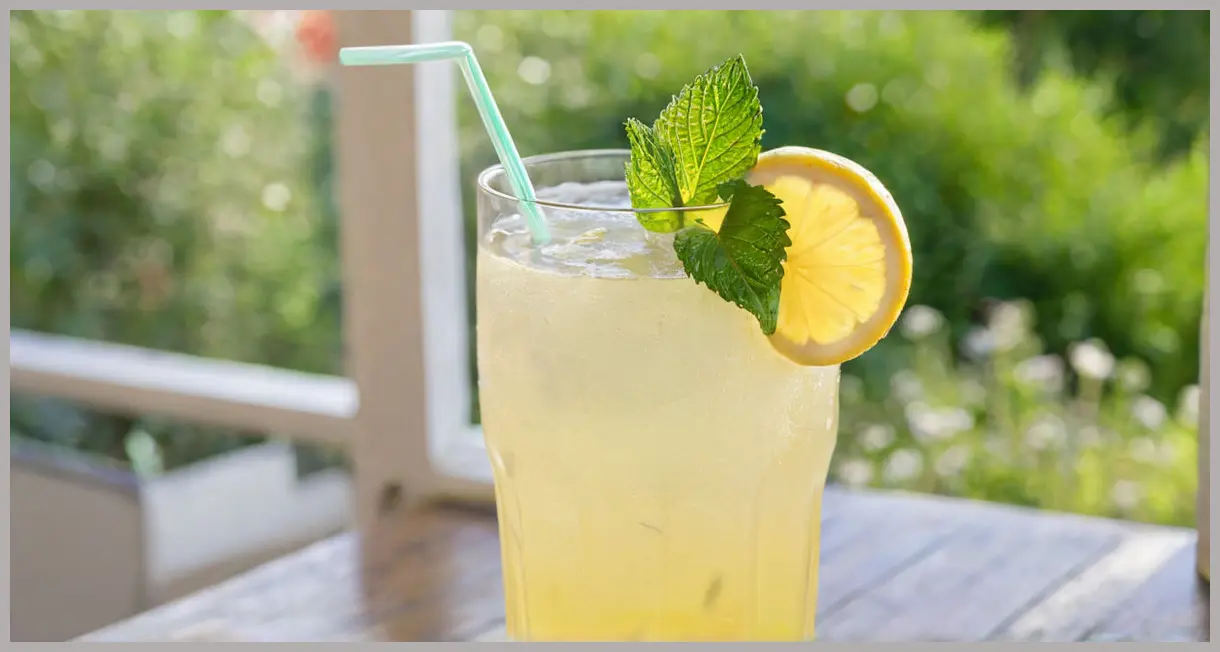
The Perfect Serve:
- Glassware: Serve your Elderflower Fizz in tall, elegant glasses – think highball glasses, delicate flutes, or even a classic wine glass to showcase its beautiful pale golden hue and effervescence.
- Garnish Game Strong:
- Lemon Wheel/Wedge: A classic and essential garnish, echoing the lemon notes within the drink.
- Fresh Mint Sprig: A vibrant green sprig of mint adds a refreshing aroma and a pop of color.
- Edible Flowers: If you have access to fresh, unsprayed elderflowers, a small cluster floated on top is a beautiful, aromatic touch. Other edible flowers like borage or violas can also add visual appeal.
- Berries: A few fresh raspberries or blackberries dropped into the glass before serving can add a subtle fruity note and a burst of color.
Creative Variations to Explore:
The beauty of homemade drinks lies in the freedom to experiment. Once you’ve mastered the classic Elderflower Fizz, consider these variations:

- Fruity Infusions: During the initial 24-hour infusion stage, try adding other fruits. Thinly sliced cucumber and a few extra mint leaves can create a wonderfully refreshing twist. Berries like strawberries or raspberries can lend a lovely pink hue and a gentle fruitiness. Just be mindful that additional fruits might increase the natural sugar, potentially leading to more vigorous fermentation.
- Herbal Notes: Beyond mint, consider adding a sprig of thyme or a few basil leaves to the initial infusion for a more herbaceous character.
- Spice It Up (Gently): A tiny sliver of fresh ginger or a couple of green cardamom pods could add an unexpected warmth and complexity.
- Alcoholic Kick (Optional): While the original Elderflower Fizz is delightfully low in alcohol, you can easily turn it into a cocktail by adding a splash of your favorite spirit. Gin, vodka, or even a light white rum would pair beautifully with the floral and citrus notes. Add spirits to individual servings, rather than to the whole batch, to maintain control and cater to different preferences.
- Sugar Adjustment: If you prefer a less sweet fizz, you can slightly reduce the amount of caster sugar. However, remember that sugar is crucial for fermentation, so don’t reduce it too drastically if you want a good fizz. A natural alternative like honey or agave could also be explored, though they might alter the flavor profile.
Encourage yourself to play around with these ideas. Taste as you go, and don’t be afraid to deviate from the recipe once you understand the basic principles. Your kitchen is your laboratory, and every experiment is a step towards discovering your perfect signature drink!
Concluding Your Fizzy Journey
And there you have it – the complete guide to crafting your very own Elderflower Fizz. From humble elderflower heads to a sparkling, refreshing beverage, you’ve seen how simple ingredients, a little patience, and a dash of creativity can transform into something truly special. This low-alcohol, naturally effervescent drink is not just a delightful summer refreshment; it’s a testament to the joy of homemade libations.
Remember, the beauty of making your own drinks is the personal touch you can add. Don’t hesitate to experiment with different garnishes, explore the suggested variations, or even invent your own. The world of homemade cocktails is vast and exciting, and your Elderflower Fizz is just the beginning. So, gather your ingredients, follow these steps, and prepare to toast to a summer filled with delicious, homemade sparkle! Cheers to your next refreshing creation!


Leave a Reply