Table of Contents
The Evolution of AI Branding: Introduction to 2026 Tools
The Evolution of AI Branding: Introduction to 2026 Tools
The landscape of visual identity has undergone a fundamental transformation. A few years ago, creating a brand mark required either a significant financial investment in a design agency or hours of manual labor in complex software. Today, the best AI logo generators 2026 have shifted the paradigm, moving beyond simple image creation to become comprehensive brand architects.
The Shift from Prompt-Based to Agentic AI Design
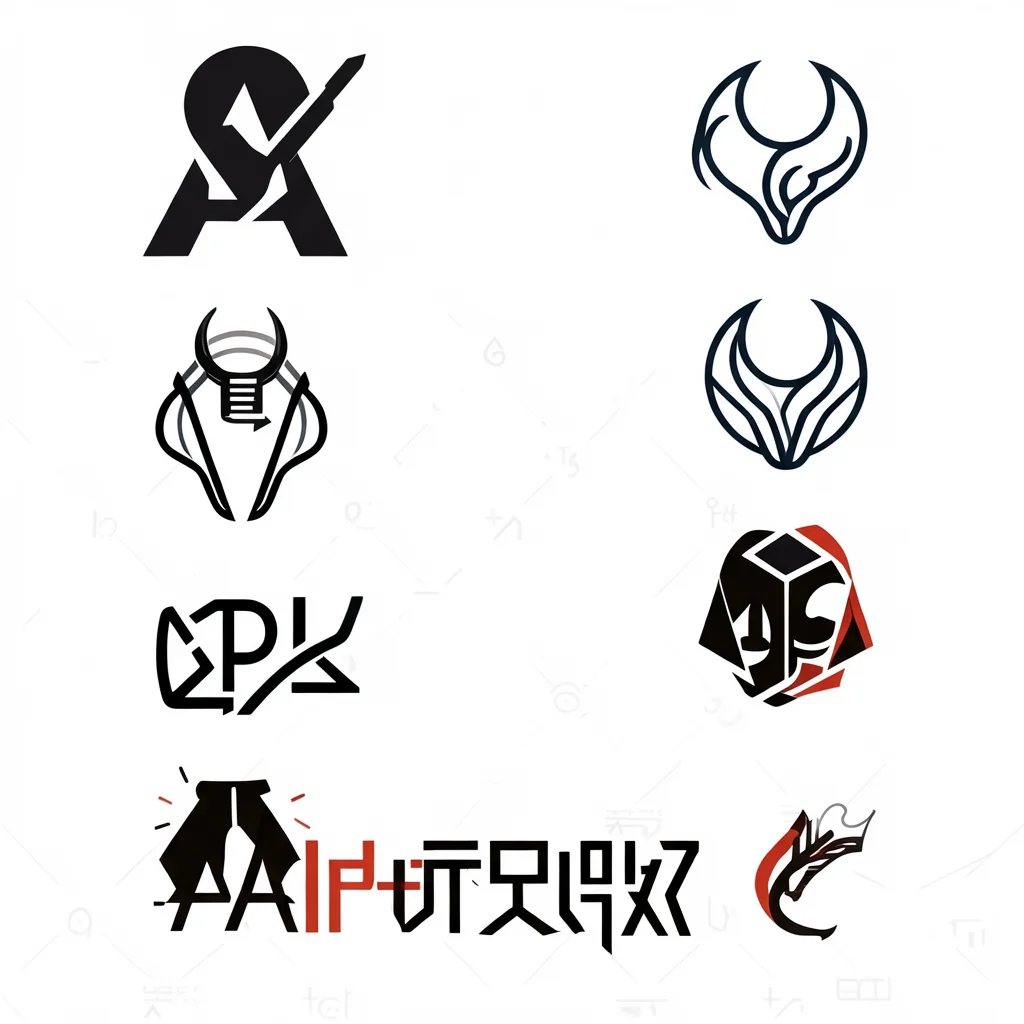
In the early days of generative art, users relied on “prompt engineering”—the tedious process of guessing which keywords would yield a clean result. By 2026, we have entered the era of agentic design. Rather than simply reacting to a text string, modern tools now act as design agents. They conduct market research, analyze competitor color palettes, and understand the psychology of your target audience before suggesting a single pixel. According to Wikipedia,
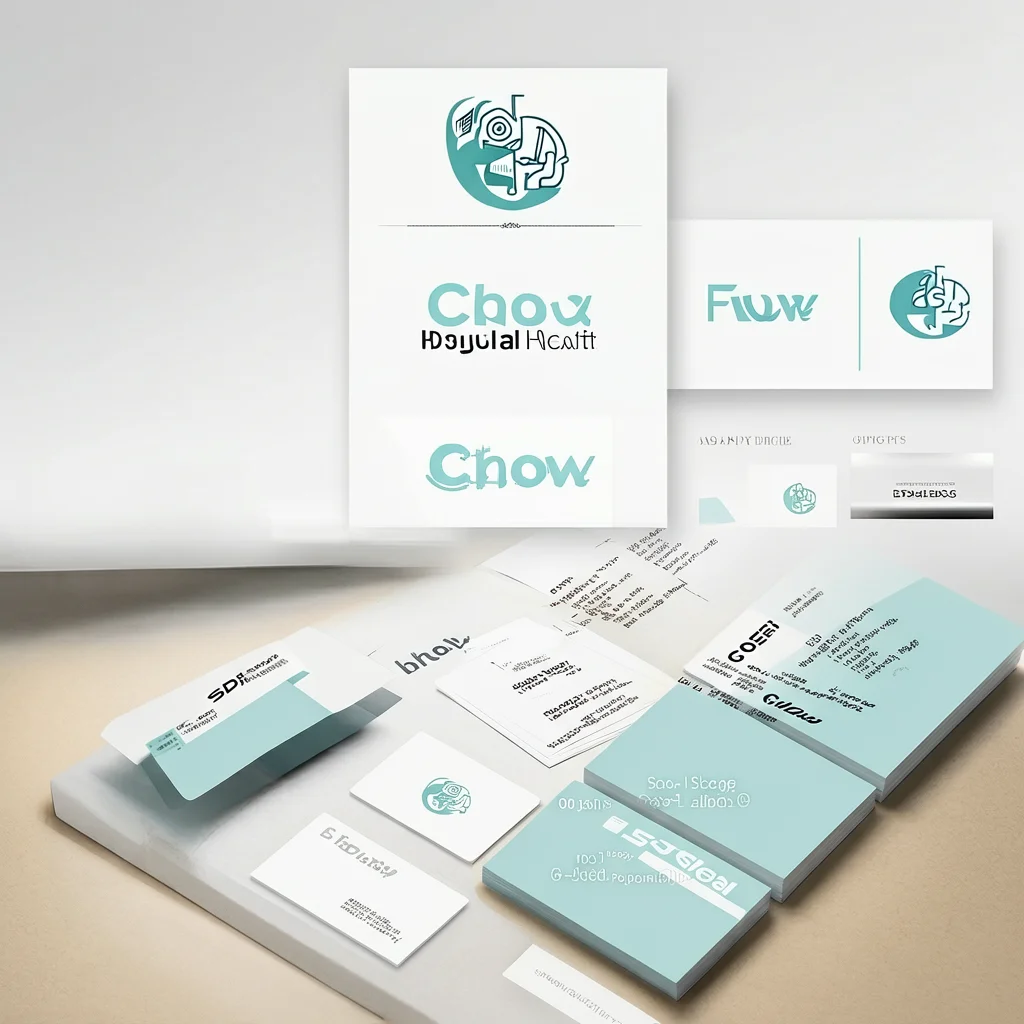
This transition means the AI no longer just “draws” a logo; it strategizes the visual identity. It asks clarifying questions about your business values and iterates on concepts autonomously, providing a curated gallery of options that are mathematically optimized for scalability and recognition.
Why AI Logo Generators are Essential for Modern Startups
For today’s startups, speed is the primary currency. The ability to move from a conceptual idea to a fully realized brand identity in minutes allows founders to test markets and pivot strategies without the bottleneck of long design cycles. These tools provide:
- Instant Iteration: Rapidly testing different visual directions to see what resonates with early adopters.
- Cost Efficiency: Reducing initial overhead costs while maintaining a high standard of professional aesthetics.
- Consistency: Generating complete brand kits, including social media avatars and favicons, ensuring a unified look across all platforms.
What to Expect from 2026’s Generative Design Capabilities
As we explore the best AI logo generators 2026, the focus has moved toward precision and utility. Users can now expect native vector output that requires zero cleanup, seamless integration with brand guidelines, and “smart” logos that can adapt their complexity based on the screen size or medium. The current generation of tools doesn’t just provide a picture; it provides a scalable, professional asset ready for global deployment.
Top-Rated AI Logo Generators for Professional Use
Top-Rated AI Logo Generators for Professional Use
Selecting the right tool from the current landscape of the best AI logo generators 2026 requires a shift in perspective. While early iterations of AI design tools focused on simple icon generation, the current industry leaders now prioritize brand cohesion, scalability, and technical precision. For professional designers and business owners, the value is no longer just in the “idea” generation, but in the technical viability of the final output. For more insights, see our guide on Best AI Product Photography Workflow Review 2026.
Analysis of the Top 12 Industry-Leading Tools
Market analysis reveals that the top 12 tools in 2026 have diverged into two distinct categories: specialized brand builders and general-purpose generative engines. Tools like Looka and Brandmark continue to dominate the “guided experience” sector, utilizing structured questionnaires to ensure the output aligns with specific industry psychology and color theory. These platforms are ideal for those who require a streamlined workflow from prompt to brand identity. According to Google AI Blog,
On the other end of the spectrum, high-fidelity generative models—such as the latest iterations of Midjourney and DALL-E—offer unparalleled artistic creativity. While these provide more visually striking concepts, they often require a secondary stage of manual cleanup. The most successful professional workflows now combine these two approaches: using generative engines for conceptual mood boarding and dedicated logo builders for final execution and file preparation.
Vector Output vs. Raster Generation in Logo Tools
The critical divide in professional logo design is the distinction between vector and raster outputs. Raster images, composed of pixels, are common in early-stage AI generation. While they look impressive on a screen, they fail the professional litmus test: scalability. A raster logo becomes blurred or “pixelated” when enlarged for signage or corporate banners.
- Vector Generation (SVG, EPS, AI): The gold standard for professional use. Vector logos are based on mathematical paths, meaning they can be scaled from a business card to a billboard without any loss in quality. The leading tools in 2026 now integrate automated “vectorization” engines that convert AI pixels into clean, editable paths.
- Raster Generation (PNG, JPG): Useful for rapid prototyping and social media avatars. However, relying solely on raster outputs limits a brand’s flexibility and often requires expensive manual redesigns when the company scales.
For any business intending to maintain a professional image, choosing a tool that provides native SVG or PDF exports is non-negotiable.
Integration with Brand Kits and Social Media Assets
A logo does not exist in a vacuum; it is the anchor for a wider visual identity. The most sophisticated AI generators have evolved into comprehensive brand ecosystem managers. Rather than delivering a single image file, these platforms now generate an entire “Brand Kit” instantaneously.
Modern integration includes the automatic generation of:
- Adaptive Layouts: Versions of the logo optimized for square profile pictures, horizontal website headers, and vertical app icons.
- Color Palettes: Complementary secondary and tertiary colors derived from the primary logo mark, provided in HEX, RGB, and CMYK formats.
- Typography Pairings: Suggested font stacks for headings and body text that align with the geometric or organic feel of the AI-generated mark.
Pricing Models: Freemium vs. Enterprise Subscriptions
The financial landscape for these tools has shifted toward a tiered utility model. Understanding these structures is essential for budgeting your brand launch.
Freemium Models: Many of the best AI logo generators 2026 offer a “free to design, pay to download” structure. Users can iterate and refine their logos for free, but high-resolution files and vector exports are locked behind a one-time payment. This is ideal for startups and freelancers who need a low-risk entry point.
Enterprise Subscriptions: For agencies or scaling corporations, subscription models have become the norm. These plans typically include:
- Commercial Licensing: Full legal transfer of ownership and trademark rights.
- Collaboration Tools: Shared workspaces where teams can vote on concepts and request iterations.
- Unlimited Iterations: The ability to evolve the logo as the company pivots, without paying per-file fees.
Key Features to Look for in AI Logo Generators
Key Features to Look for in AI Logo Generators
Selecting the right platform from the list of the best AI logo generators 2026 requires looking beyond the initial “wow” factor of a generated image. While many tools can produce a visually appealing icon in seconds, a professional brand identity requires precision, scalability, and legal security. To ensure your chosen tool delivers a production-ready asset, prioritize the following technical and functional criteria. For more insights, see our guide on AI Powered Art Generator 2026: 7 Best Tools for Incredible Results.
Customizability and Iterative Control
The most effective tools do not treat the initial prompt as the final result. Look for platforms that offer a comprehensive editing suite where you can manually tweak elements after the AI has completed its first draft. This includes the ability to shift the placement of icons, adjust line weights, or swap individual components without regenerating the entire image. True professional-grade software allows for granular control, ensuring the logo aligns perfectly with your specific vision rather than relying on a random seed.
SVG and High-Resolution Export Options
A common pitfall with entry-level generators is the delivery of low-resolution raster files (like JPG or PNG) that pixelate when enlarged. For a logo to be viable across all mediums—from a tiny favicon to a massive physical billboard—it must be available as a Scalable Vector Graphic (SVG). Vector files are mathematically defined, meaning they can be scaled infinitely without loss of quality. Ensure the tool you choose provides SVG, PDF, or EPS exports to maintain professional standards in printing and digital display.
AI-Driven Color Psychology and Typography
Great design is rooted in science, not just aesthetics. The best AI logo generators 2026 integrate intelligent suggestions based on color psychology and industry standards. For example, a tool should suggest trust-inducing blues for a financial firm or energetic oranges for a fitness brand, rather than random palettes. Similarly, typography should be suggested based on the brand’s personality—pairing a minimalist sans-serif for a tech startup or a sophisticated serif for a luxury boutique—to ensure the visual language is cohesive.
Commercial Licensing and Trademark Ownership
The most critical, yet often overlooked, feature is the legal framework surrounding your output. Before committing to a tool, verify the terms of service regarding ownership. You need a clear guarantee that you hold the full commercial rights to the final design. Some platforms operate on a subscription model where ownership is only granted upon payment, while others may retain rights to the generated patterns. To avoid future legal disputes, prioritize tools that provide a clear license transfer and a pathway toward trademarking your unique brand mark.
- Vector Support: Essential for scalability and professional printing.
- Manual Editing: Ability to refine AI outputs for precise branding.
- Strategic Suggestions: Data-backed color and font pairings.
- Legal Clarity: Explicit commercial usage rights and ownership.
Step-by-Step Guide: Creating a Winning Brand Identity with AI
Step-by-Step Guide: Creating a Winning Brand Identity with AI
Generating a visual mark is only one part of the branding process. To move from a random image to a professional identity, you need a strategic approach. By combining human intuition with the best AI logo generators 2026 has to offer, you can create a cohesive brand that resonates with your target audience. For more insights, see our guide on Build Websites for Local Business in 2026: 7 Essential Steps to Win More Customers.
Defining Your Brand Persona and Core Values
Before opening any software, determine what your brand actually stands for. An AI cannot guess your company’s mission; it can only execute your instructions. Start by listing three to five core values—such as “innovation,” “reliability,” or “playfulness.” Decide on your brand persona: are you a disruptive newcomer or an established authority? These descriptors will dictate the color palettes and shapes you select, ensuring the final output aligns with your business goals.
Crafting the Perfect Prompt for Visual Consistency
The quality of your output depends entirely on the precision of your input. Avoid vague terms like “modern logo” and instead use descriptive language that defines style, geometry, and mood. For example, instead of “a blue tech logo,” try “a minimalist geometric emblem using deep navy and cyan, flat vector style, white background, symmetrical design.” To maintain consistency across different versions, specify the artistic medium (e.g., “Swiss Style” or “Bauhaus”) to ensure the AI adheres to a specific visual language.
Iterating and Refining AI Drafts for a Polished Look
Rarely is the first generation perfect. Treat the initial results as a mood board rather than a final product. Use the “variation” tools available in the best AI logo generators 2026 to tweak specific elements. If the icon is strong but the font is off, isolate the graphic and experiment with different typography pairings. Remember that professional branding often requires a “human touch”—don’t be afraid to take your AI draft into a vector editing program to clean up lines, adjust spacing, or fix minor artifacts.
Testing Logo Legibility Across Different Scales and Platforms
A logo that looks great on a desktop monitor may fail on a mobile app icon or a printed business card. To ensure your identity is durable, perform a series of legibility tests:
- The Shrink Test: Scale the logo down to 32×32 pixels. If the details blur or the text becomes unreadable, simplify the design.
- The Monochrome Test: Convert the logo to pure black and white. A winning brand identity must remain recognizable without the help of color.
- The Platform Check: Preview the logo in circular, square, and rectangular frames to ensure it fits naturally within social media profiles and website headers.
By following this rigorous refinement process, you transform a generated image into a strategic asset that supports your long-term growth.
Final Verdict: Choosing the Best AI Logo Generator for Your Business
Final Verdict: Choosing the Best AI Logo Generator for Your Business
Selecting from the best AI logo generators 2026 depends entirely on your specific business goals and technical comfort level. No single tool fits every scenario, so we recommend choosing based on your primary objective:
- For Instant Starters: Use Looka or Brandmark if you need a polished, professional identity in minutes without a learning curve.
- For Creative Control: Opt for Midjourney or Canva Magic Studio if you have a specific vision and want to iterate on complex visual concepts.
- For Scalable Branding: Choose Adobe Firefly to ensure your assets are vector-ready and compatible with professional printing workflows.
The Balance Between AI Efficiency and Human Creativity
While these tools accelerate the brainstorming process, the most enduring brands are rarely the result of a single prompt. AI provides the foundation and speed, but human intuition ensures the logo resonates emotionally with your target audience. Use AI to generate a diverse range of directions, then apply your own critical thinking to refine the color palette and typography for maximum impact.
Final Checklist Before Finalizing Your Brand Logo
Before you export your final files and launch your identity, run through this essential quality check:
- Scalability: Does the logo remain legible when shrunk to a favicon or expanded for a billboard?
- Versatility: Does the design work in a single-color (black and white) format?
- Uniqueness: Have you performed a reverse image search to ensure the AI hasn’t mirrored an existing trademark?
- File Formats: Do you possess the SVG or EPS vector files for future editing?
By pairing the best AI logo generators 2026 with a strategic eye, you can build a visual identity that is both modern and timeless.